The level of hazardous waste recycling in Uzbekistan will be brought to 20 percent.
The President signed a decision on improving the hazardous waste management system.
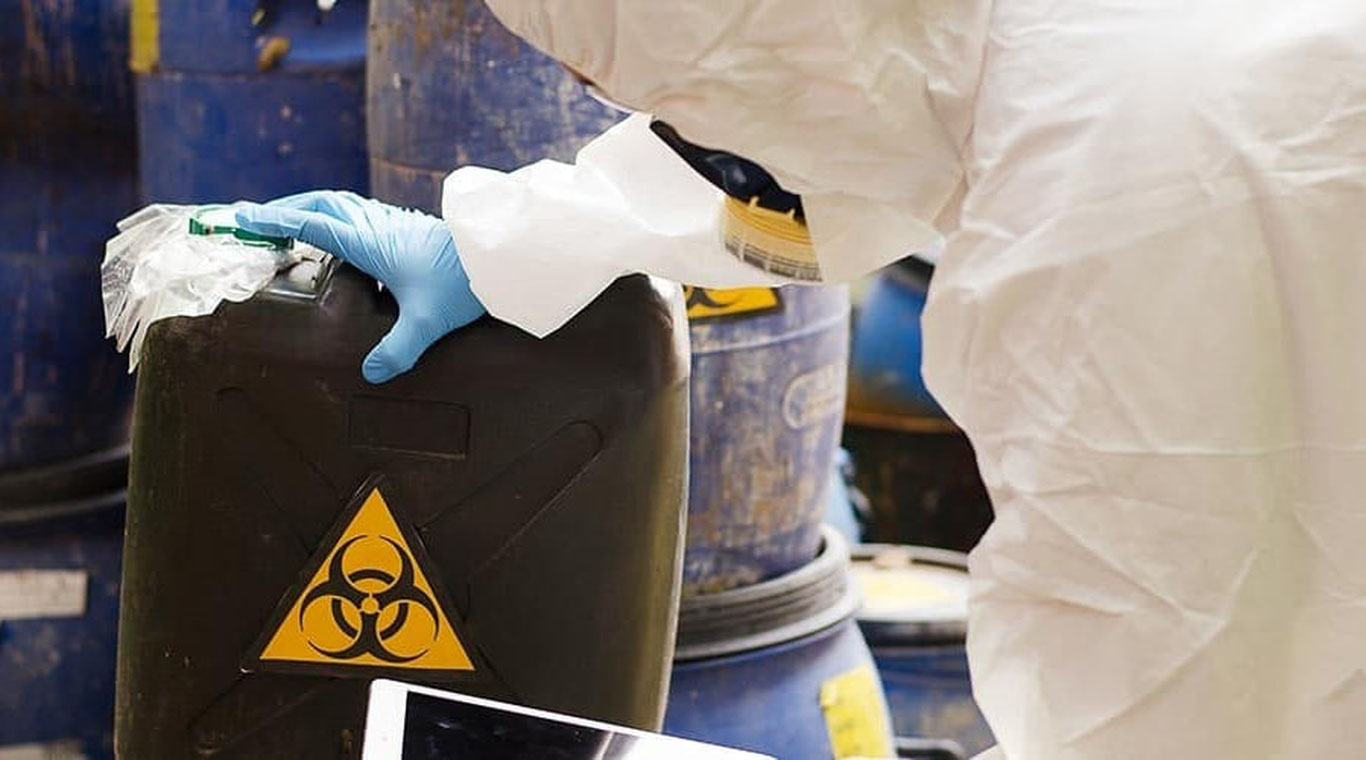
A Presidential decree has been adopted in Uzbekistan aimed at increasing the efficiency of hazardous waste management. The Agency for Waste Management and Circular Economy Development reported this.
It was noted that the document provides for a number of new measures aimed at ensuring environmental safety, improving the industrial waste management system, and reducing the negative impact on the environment.
In accordance with the decree, by 2030, the level of processing of radioactive and chemically hazardous wastes belonging to hazard classes I–IV generated at mining, metallurgical, chemical industry, oil and gas, and electric power enterprises will be brought to 20 percent.
It was also established to fully implement a system for the safe disposal of wastes that cannot be processed, maintain their state records, and reduce their negative impact on the environment.
Starting from January 1, 2027, organizations generating hazardous waste will be required to develop annual waste management plans based on the conclusion of an environmental expert review. They must reduce waste volumes, increase the share of processing, and transfer waste only to specialized organizations with appropriate permits and infrastructure.
In addition, starting from October 1, 2026, these enterprises will regularly submit reports on hazardous waste to the Agency's information system. Control over the implementation of these requirements will be carried out by the State Environmental Control Inspectorate (Ecopolice) of the National Committee for Ecology and Climate Change.
The decree establishes the Directorate for Hazardous Waste Management under the Agency for Waste Management and Circular Economy Development. Also, the Republican Radioactive Waste Storage Center will be transferred to the Agency's system, and authorized bodies and operators for the environmental restoration of uranium legacy sites have been designated.
The document also pays special attention to digitalization issues. By January 1, 2027, a special information system will be launched. Through it, a digital passport will be created for wastes belonging to hazard classes I–III, and the process from their generation to disposal will be monitored in real time.