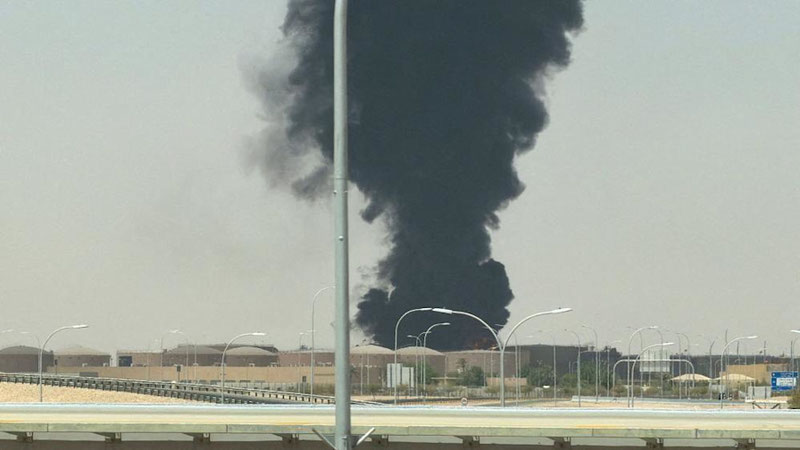
The UAE has accused Iran of striking an ADNOC tanker with a missile in the Strait of Hormuz.
Following the attack, the Gulf states condemned Iran and called for keeping the strait open to international shipping.
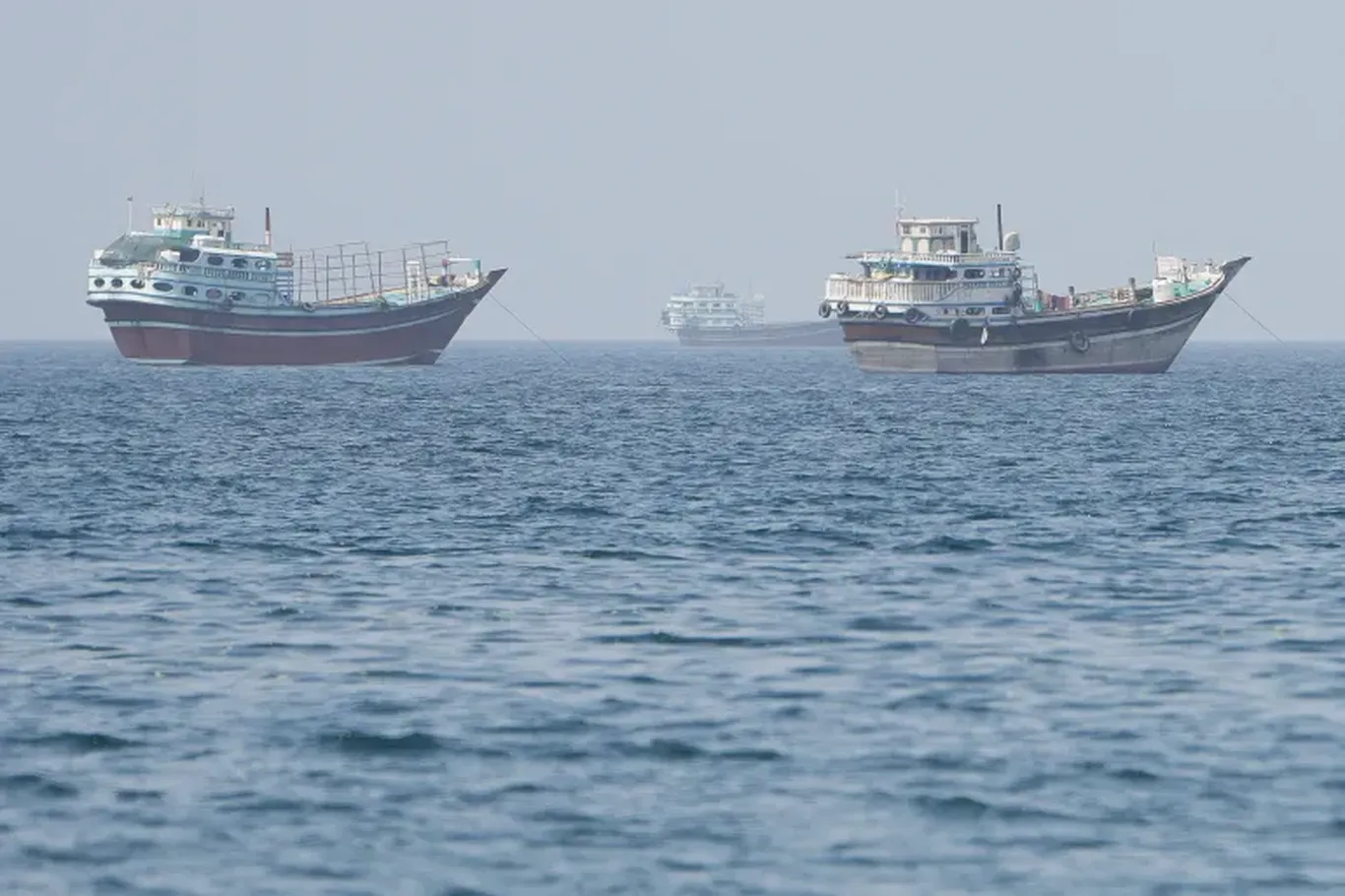
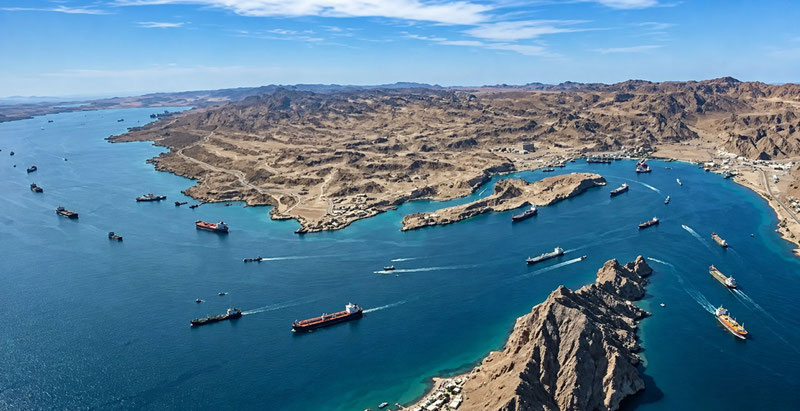
The United Arab Emirates has accused Iran of striking a tanker owned by the Abu Dhabi National Oil Company (ADNOC) with a missile while it was transiting the Strait of Hormuz. No information was provided regarding casualties as a result of the incident. Al Jazeera reported on this.
The UAE Ministry of Foreign Affairs stated that the tanker was targeted while passing through the strategic waterway in the early morning of August 8. Abu Dhabi assessed the attack as a "piratical act" carried out by Iran's Islamic Revolutionary Guard Corps.
The UAE demanded that Tehran halt the attacks and fully open the Strait of Hormuz without any conditions. The Ministry stated that using the waterway as a means of pressure or economic blackmail threatens regional stability and global energy security.
ADNOC also confirmed that one of its vessels was targeted by a missile while crossing the strait. The company did not provide information about the damage sustained by the vessel or its exact location at the time of the attack.
ADNOC had stated on Friday that since the conflict began, 15 of its vessels transiting through the strait had been attacked with missiles and drones. Three of them were targeted this week. As a result of the attacks, one crew member was killed and 20 were injured. The company did not identify those responsible for these attacks.
Jassim Muhammad al-Budaiwi, Secretary-General of the Gulf Cooperation Council, called the attack a "dangerous and unacceptable escalation" and called on the international community to take measures to protect maritime navigation.
Qatar opposed the use of the Strait of Hormuz as a means of pressure and called for the waterway to be opened without any conditions.
Saudi Arabia strongly condemned the attack on the tanker, stating that such actions by Iran constitute a serious violation of international law and UN Security Council Resolution 2817. Riyadh announced that it holds Tehran responsible for the consequences of the attacks.
Jordan also assessed the attack as a blatant violation of international law and expressed its support for the UAE.
This incident has further heightened tensions around the Strait of Hormuz. The UAE and other Gulf states are demanding that the strategic waterway remain open for international shipping.