“There is no need to open a new university right now” — Minister of Higher Education, Science and Innovation
It was announced that measures will be taken to merge or close higher education institutions whose graduate employment rate falls below the established level.
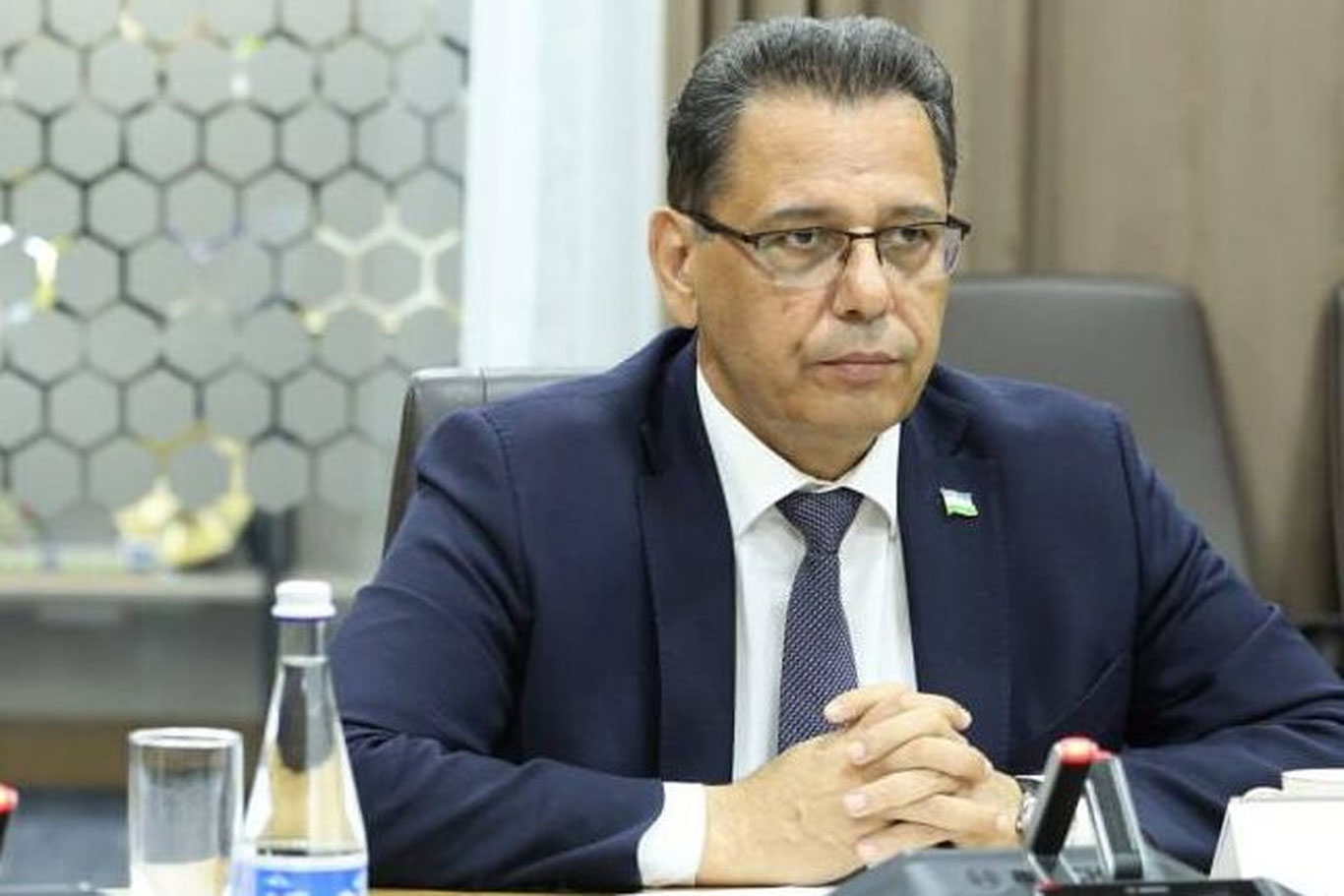
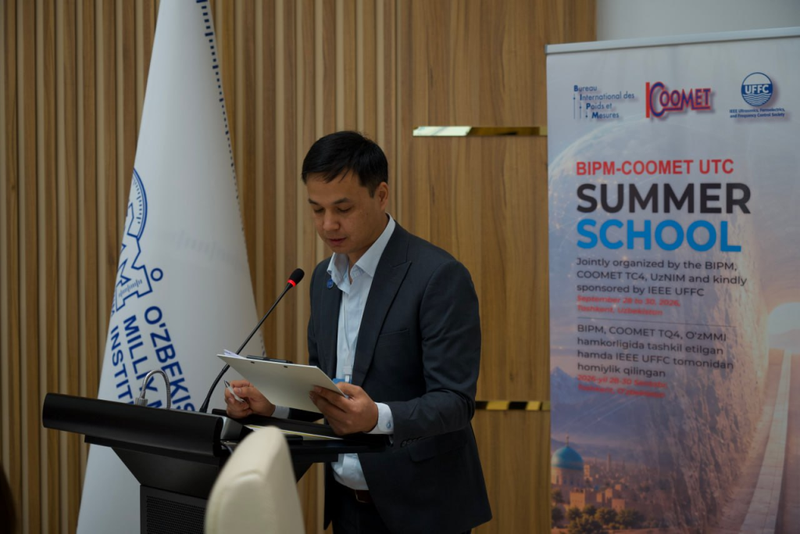
The capacity of existing higher education institutions in Uzbekistan is currently sufficient to fully cover the country's demand for education. This was announced by the Minister of Higher Education, Science and Innovation, Kongratbay Sharipov, on August 14 at an international conference held in Tashkent, as reported by a Zamon.uz correspondent.
At the international conference dedicated to the development of higher education services, the minister was asked a question about the intensifying competition in the higher education sector and the fact that licensing of private universities has been suspended in recent years.
Kongratbay Sharipov noted that the capacity of currently operating universities is sufficient to cover applicants with higher education, based on the needs of the labor market.
"The capacity of our currently existing universities is sufficient to meet all the needs of the labor market. Look, those who scored above 56.7 points are entering higher education. Today we have more than 256 thousand students. The capacity of our existing universities can ensure this," said the minister.
In his opinion, there is currently no need to open new universities. Because an increase in the number of higher education institutions could also lead to an increase in the number of institutions with low-quality education.
"I believe that there is no need to open more universities today. Because if new ones keep opening, universities providing poor-quality education may multiply. We don't need universities to forcibly educate young people who scored below 56.7 points after the available places are filled," said Kongratbay Sharipov.
The minister also emphasized the need to place greater emphasis on vocational education in the country. According to him, technical schools are being transformed into educational institutions of international standard.
In particular, this year it is planned to bring 100 technical schools in Uzbekistan up to international standards. Graduates of such institutions will have the opportunity to find high-paying jobs not only in Uzbekistan but also abroad.
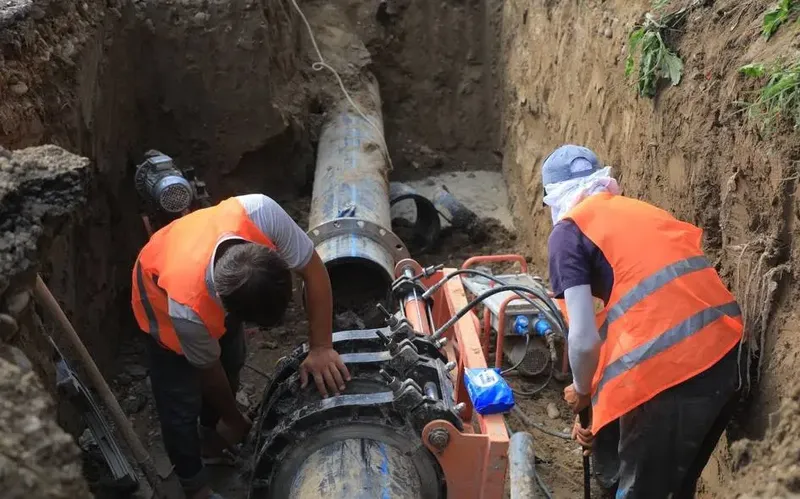
"After graduating tomorrow, based on their diploma, they can work not only in Uzbekistan but also in more than 70 countries around the world. Look, welders currently earn at least 1,500 dollars a month. At the international level, it's up to two thousand dollars. Plumbers are also being offered very high salaries. Electricians are being offered high salaries. We have professions that earn more than those with higher education," said the minister.
He also noted that studying at a technical school does not limit the opportunity to obtain higher education. According to him, if a young person who has acquired a profession wishes to pursue higher education after two or three years, they can enter a university based on an interview and continue their studies from the second year.
"This doesn't mean you'll be a plumber for life. If after two or three years you decide to study in higher education, you can enter a university based on an interview and continue your education from the second year. That's why a continuous education system has now been created," explained Kongratbay Sharipov.
The minister also noted that after the announcement of the admission results, many people develop concerns about not being able to enter higher education.
According to him, this year applicants were given the opportunity to choose five universities at once. There was also a proposal to add one more university.
In Kongratbay Sharipov's opinion, if young people still cannot enter higher education despite using such opportunities, it would be advisable for them to choose vocational education. In such a case, they can transfer to higher education in their specialty after 1-2 years.
The minister also addressed the issue of applicants failing to achieve the minimum score in exams and the matter of improving the exams. He noted that not all school graduates necessarily need to obtain higher education.
According to him, in the global labor market as well, the main demand is for personnel with secondary specialized education. The minister also provided information on the indicators of applicants who scored the minimum 56.7 points.
"We analyzed our young people who scored the minimum 56.7 points. Four years ago, their share was 46 percent. Today it's 34 percent. The share of those scoring low points is decreasing year by year. Look, today 74 percent of applicants scored above 56.7," he said.
Assessing this indicator as a positive development, the minister noted that the number of young people scoring low points is decreasing, which may indicate that the quality of education in schools is improving.
It was also noted that it is necessary to train personnel suited to the labor market so that young people do not remain unemployed in the future.
According to Kongratbay Sharipov, this year 36,000 grant places and nearly 200,000 contract places from the state budget were determined based on the needs of the Ministry of Economy and Finance.
The minister also commented on the requirements imposed on private and public universities and the issue of creating equal conditions for them.
He noted that the main criterion of competition in higher education is training personnel that meet market demands and ensuring graduates are employed.
"By competition, I mean that each higher education institution must train personnel suited to the market and guarantee employment for the specialist tomorrow. The biggest criterion before us is the employment of graduates. Whether they study well or poorly, the assessment is given by the people or employers," said Kongratbay Sharipov.
According to the minister, measures will be taken against higher education institutions whose graduate employment rate falls below the established level, including merging them with other universities or terminating their activities.
It was also announced that uniform requirements are currently being ensured for private and public higher education institutions regarding student admission, determining educational directions, and assessment.