180-day experience in Jizzakh medicine: what is expected from the new medical system?
The "Jizzakh-180" program, aimed at transforming the regional multidisciplinary medical center into a high-tech territorial reference center within 180 days, has been launched.
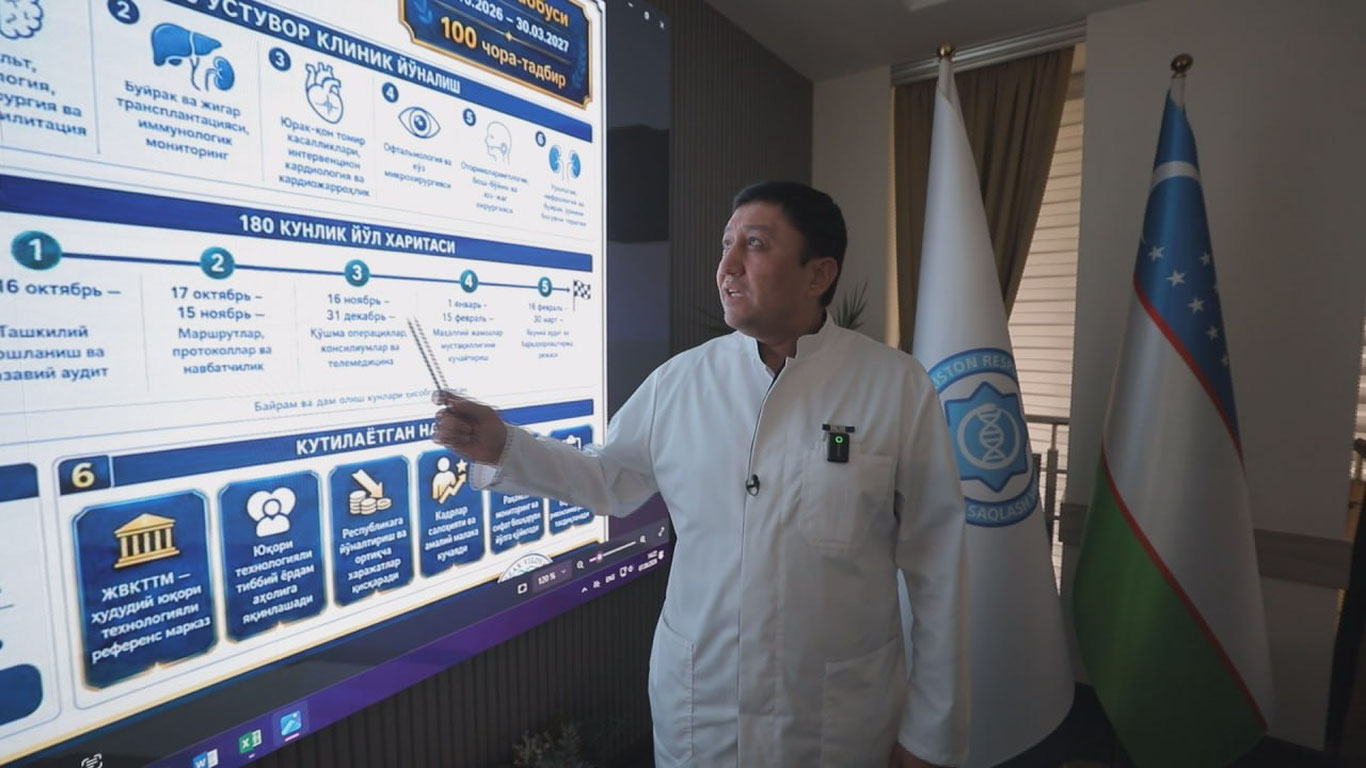
A new stage has begun in the medical field in Jizzakh. The "Jizzakh-180" program has been launched, aimed at transforming the regional multidisciplinary medical center into a high-tech territorial referral center within 180 days.
So, what will the "Jizzakh-180" program give the population? How will modern medical services, high-tech diagnostic and treatment capabilities change people's lives? We seek answers to these questions.
According to the center's director, Jahongir Sanaqulov, the main goal of the program is to transform the Jizzakh regional multidisciplinary medical center into a territorial high-tech referral center. This will, first of all, reduce the need to send residents of Jizzakh to Tashkent and other republican centers, and increase the capacity to provide highly qualified medical services.
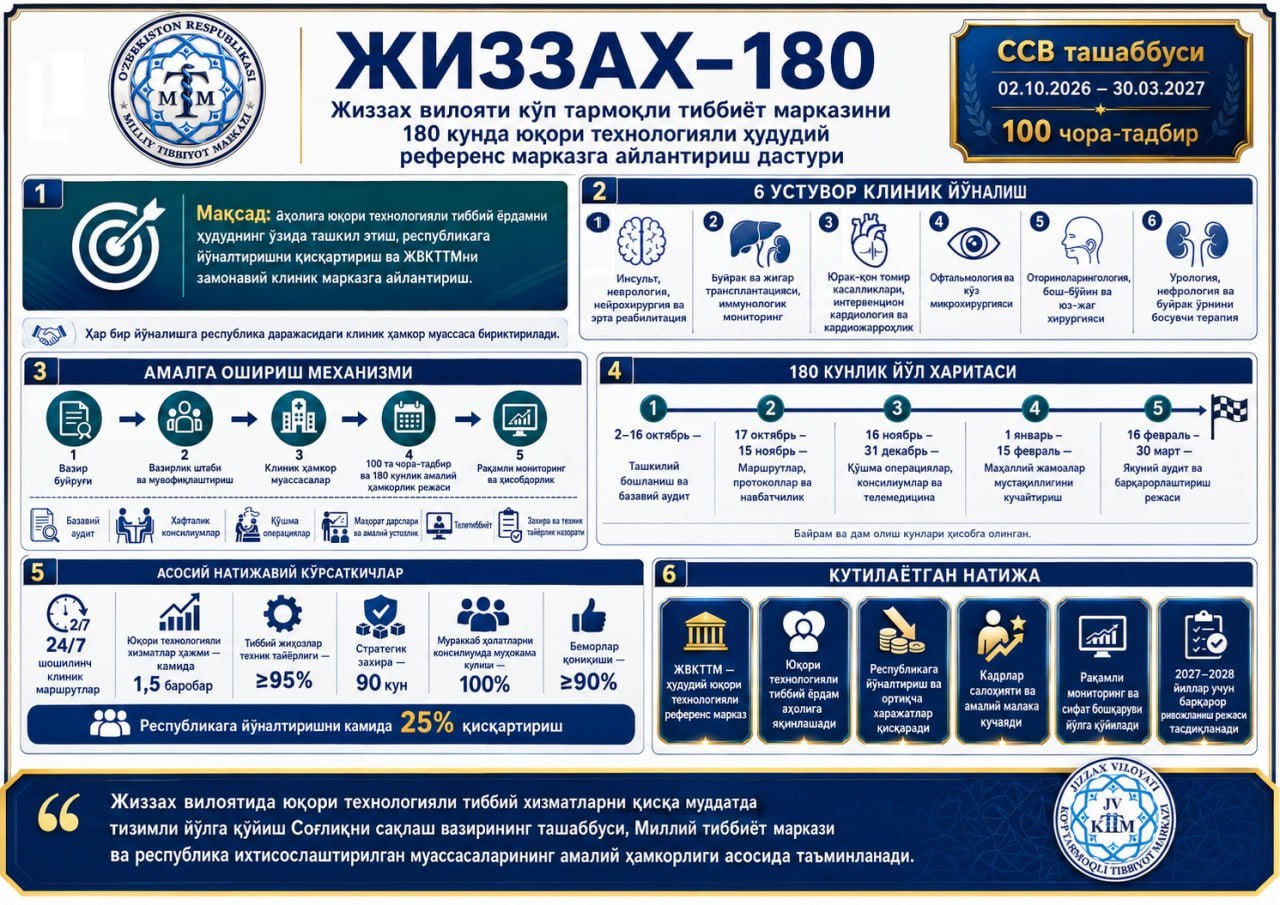
Within the program, attention will be focused on six main clinical directions. These are: early detection and prevention of acute cerebral changes, kidney and liver transplantation, cardiovascular diseases, ophthalmology and eye microsurgery, otorhinolaryngology and maxillofacial surgery, as well as urology, nephrology, and renal replacement therapy.
What will change in 180 days?
Within the program, 100 measures will be implemented. Specialists from specialized medical institutions across the republic will come to Jizzakh and work together with local doctors.
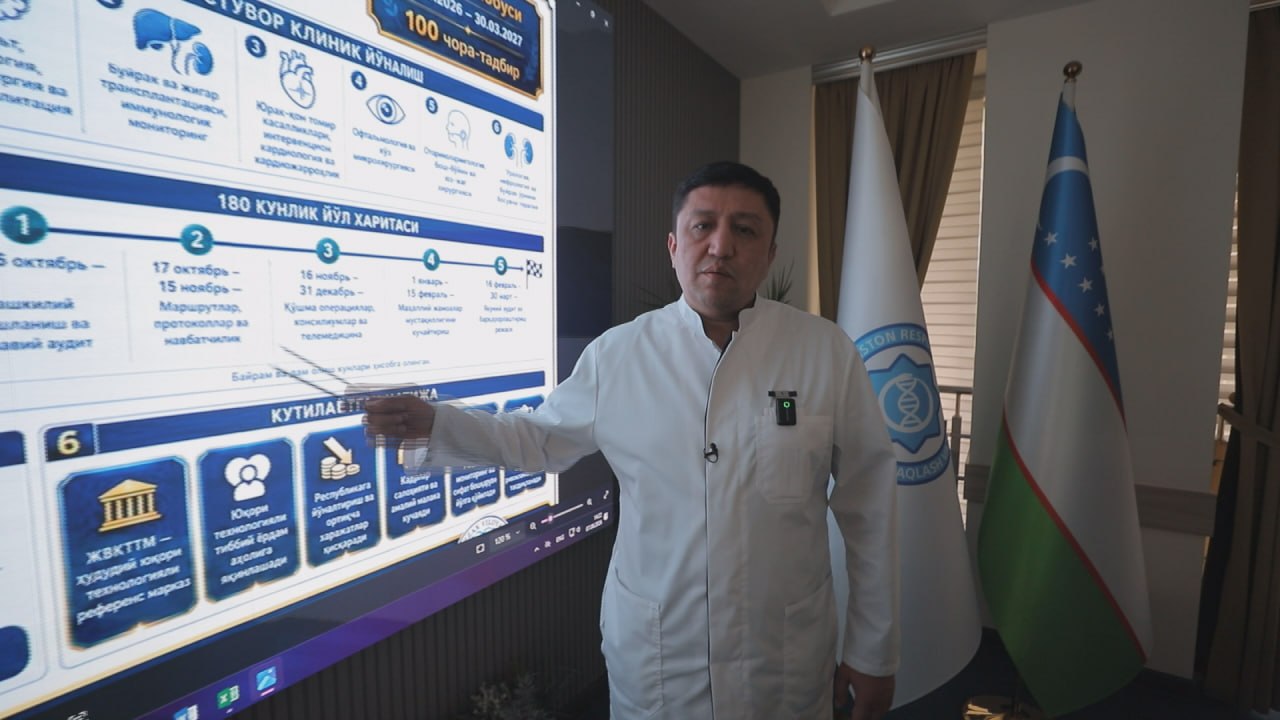
This differs from a simple training process. Specialists participate in joint operations, hold consultations on complex patients, and use telemedicine. Most importantly, local doctors are brought to a level where they can independently perform complex operations.
The 180-day roadmap consists of five stages. Initially, a baseline audit of the center is conducted. Then, the qualifications of specialists are improved, and clinical protocols and the on-call system are refined. After that, joint operations, consultations, and telemedicine are expanded.
In the final stage, the results are evaluated, and a sustainable development plan for the center for 2027–2028 is developed.
Behind these numbers are human destinies
High-tech procedures have already begun at the center. In particular, liver transplants have been performed on 6 patients. Coronary artery bypass grafting has been performed on 8 patients. Coronary stenting has been performed on 30 patients. Coronary angiography has been used by 1,600 patients.
Complex procedures such as hip and knee joint endoprosthetics and neurosurgical operations are also being performed in Jizzakh itself.
The goal is to achieve a number of specific indicators by the end of the 180-day program. 24/7 emergency medical services will be improved. The volume of high-tech services will be increased by at least 1.5 times. The technical readiness of medical equipment will be brought to 95 percent. A 90-day stock of medicines will be created. All complex cases will be reviewed on the basis of consultations. The goal is to increase patient satisfaction with medical services to 90 percent, and to 100 percent if possible.
But the most anticipated result of the program is a 25 percent reduction in referrals to the republic.
"If He gave me pain on one side, He opened my path on the other"
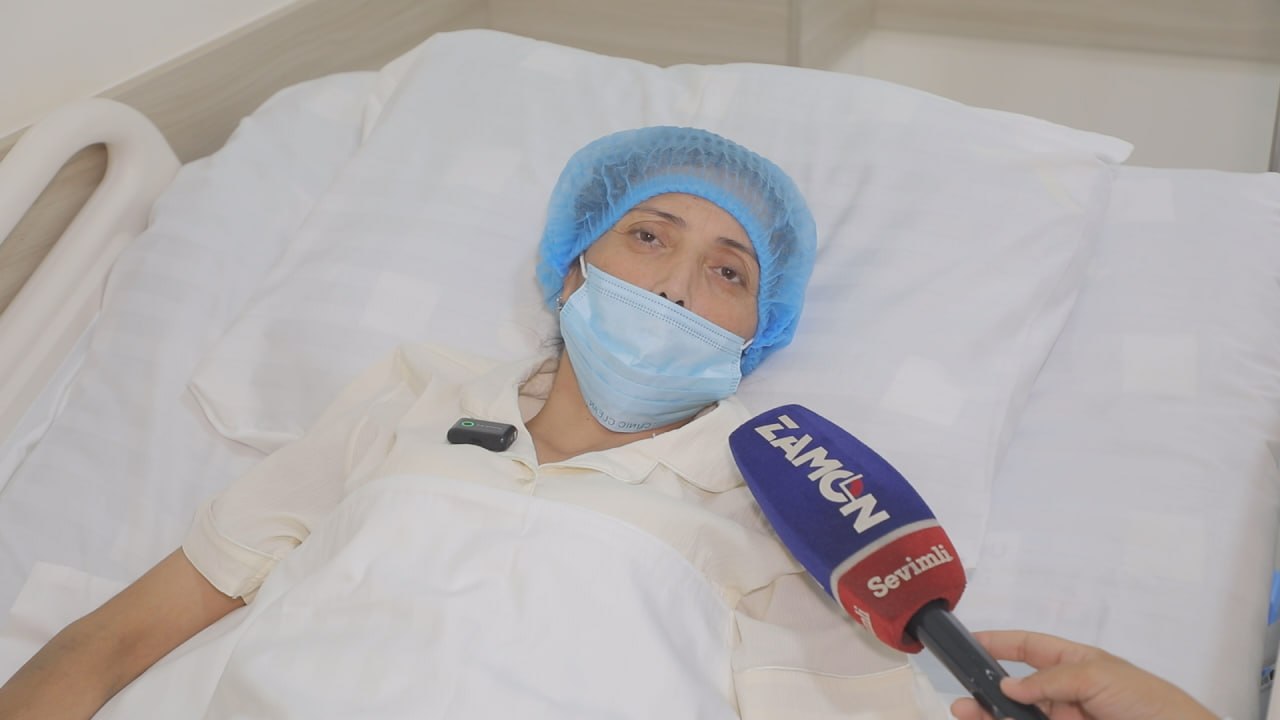
40-year-old Shoira Museva, who had been battling liver cirrhosis, saw her condition worsen in recent months, with fluid accumulation in her abdomen, pain, and severe depression tormenting her. She even considered going to India for treatment. But the necessary medical care was provided in Jizzakh itself. The liver transplant was successfully performed, and today the patient feels well.
— Before the operation, I had fallen into a very deep depression. I kept thinking, "What will happen tomorrow? How will I get through the operation?" It was very difficult. Now, thank God, I am fine. It's all behind me. My father-in-law said he would take me to India. They tried. It was said that treatment there would cost 40 thousand dollars. Here in Jizzakh, they arranged everything, doctors came and performed the operation. It was very good. Thank God, I am fine now. One step — my own region. Excellent conditions. The doctors are all taking good care of me. If I had gone to India, they would have checked on me less, and I would have stayed for two or three months. Jizzakh is my own region; everyone is checking on me. I was in such a bad state that I don't think I could have even made it to India. If God gave me the illness on one side, He opened my path on the other. Thank God for everything.
"After the operation, I'm walking around perfectly healthy"
Patients themselves are also feeling these changes.
75-year-old Ovulboy G'ulmurodov learned about a heart problem during a mobile medical examination conducted in the Jizzakh region. According to him, he used to feel weak when walking and felt unwell after eating. But since the pain wasn't severe, he didn't take the examination seriously.
The mobile medical examination, however, revealed that three vessels in his heart were not functioning well.
— Before, we used to go to Tashkent, Sirdarya, Samarkand. Now it turns out we have all the opportunities here. When I come to Jizzakh city, there are all the facilities. I came through the operation very well now. Nothing hurts, — says Ovulboy ota.
Now the patient thinks of Jizzakh, not Tashkent
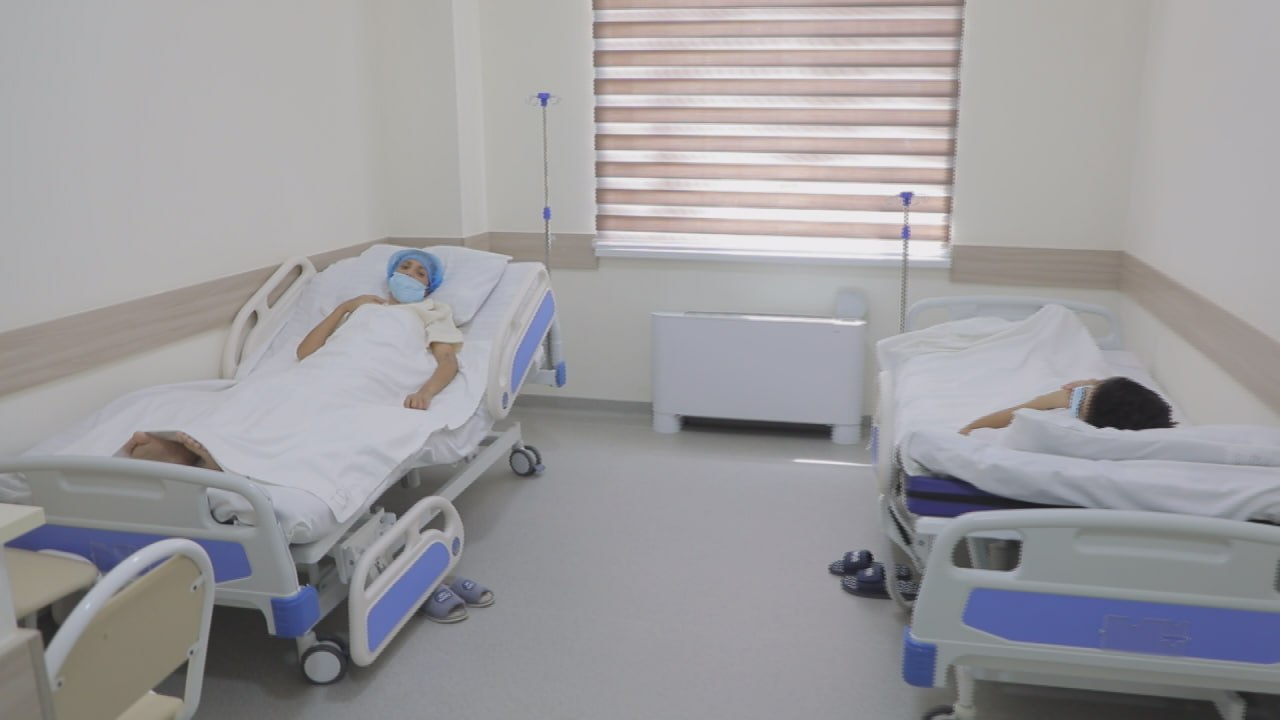
The goal of transforming the center into a referral institution is precisely to gradually change this "we need to go to Tashkent" mindset.
Does the patient need a complex operation? There is the capability in Jizzakh.
Is high-tech diagnostics needed? The center has modern equipment.
Is a decision needed on a complex clinical case? A consultation is held with republican specialists.
In addition, great attention is being paid to improving the qualifications of Jizzakh doctors. Specialists from the center have returned after advanced training in Russia, Germany, Iran, Turkey, and Korea.
Cooperation has been established with Turkey's Acıbadem Healthcare Group clinic. Memorandums have been signed with prestigious clinics in Germany and China. The establishment of a branch of Kazan State University in Jizzakh will serve to continuously improve the knowledge and skills of medical staff.
If the people are satisfied, the reform has results
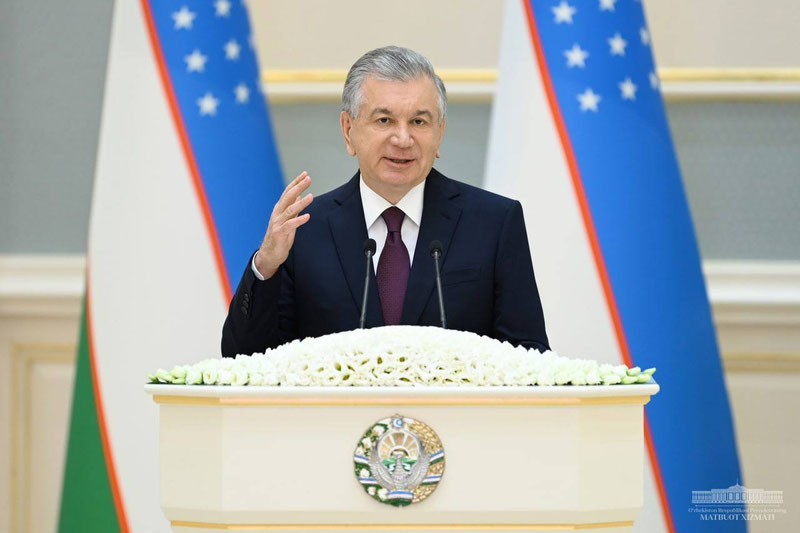
When our President familiarized himself with the Jizzakh medical cluster last year, he also paid special attention to this aspect. He emphasized that public satisfaction is the most important assessment of the healthcare system's performance.
This idea also defines the main essence of the medical reforms in Jizzakh. The President's instruction serves to create patient-centered, qualified medicine. That is, it's not just about seeing more patients or performing more operations. It's about the patient receiving fast, quality, and qualified medical care, not having to wander around for treatment, and leaving the hospital healthy.
In other words, "Jizzakh