Tenge became the strongest currency in Europe and Asia in 2026.
Amid growing interest from international investors in Kazakhstan's government bonds, the tenge strengthened by 9.7 percent against the US dollar in 2026.
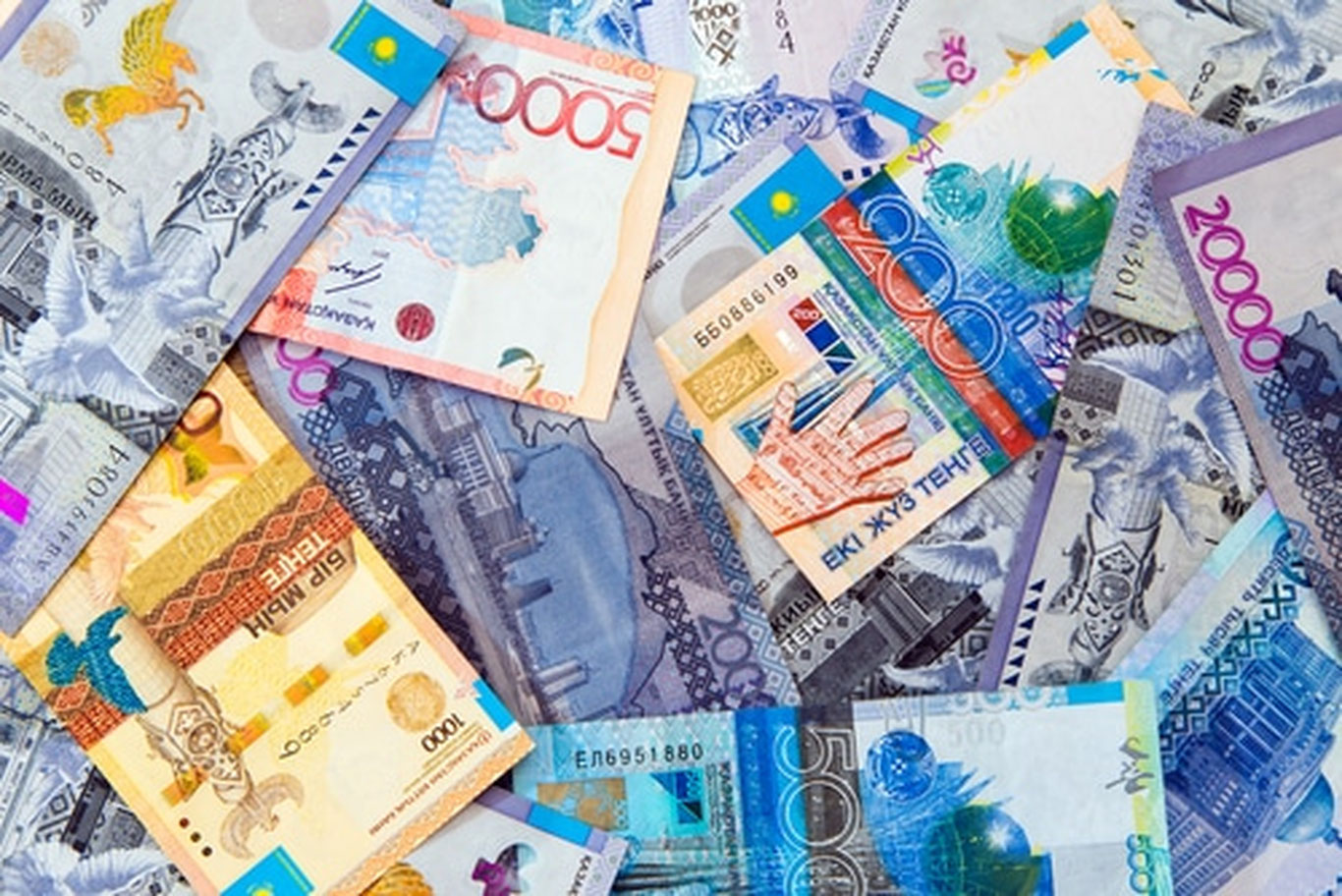
Kazakhstan's national currency — the tenge — has strengthened by 9.7 percent against the US dollar since the beginning of 2026, becoming the best-performing currency in Europe and Asia. The Financial Times attributes this to a sharp increase in foreign investor interest in the country's domestic government bonds.
By June, foreign investors' funds in tenge-denominated government bonds had reached $5 billion. A year earlier, this figure stood at nearly $2 billion.
Investors are primarily attracted by high interest rates in Kazakhstan. In July, the country's central bank lowered the base rate to 16.75 percent. At the same time, annual inflation stood at around 10 percent in June 2026, down from nearly 13 percent in September 2025.
According to ING chief economist Dmitry Dolgin, the tenge's strengthening this year is more linked to capital flows than to trade flows. The plan to enable settlement of Kazakhstan's domestic government bonds through the Euroclear international clearing system is also making the market more accessible for foreign investors.
The Kazakh government is also seeking to include its local-currency government bonds in JPMorgan's GBI-EM index, which covers emerging market bonds. This could further enhance the country's attractiveness to international investors.
The tenge's strengthening is occurring at a time of increased pressure on the country's oil exports. A large portion of Kazakhstan's oil is exported through a Russian oil terminal on the Black Sea coast. Attacks on this route during the summer months disrupted export processes. Nevertheless, investors also view Kazakhstan as an alternative energy producer to Russia.
Kazakhstan's investment-grade credit rating is also an important factor for investors. According to Goldman Sachs expert Clemens Graf, foreign capital interest in the country is not solely dependent on oil prices.
The flow of direct foreign investment into the country has also increased. In the first quarter of 2026, this figure reached $6.3 billion.
The government also plans to turn Kazakhstan into a key transit hub on the cargo route from China to Europe in order to diversify revenues beyond oil.
In August, Kazakhstan signed a $10 billion agreement with Nvidia and Firebird companies to build data processing centers in the country. Experts note that such projects could also strengthen foreign capital inflows and support the tenge exchange rate.