The energy project planning system will be changed: a new management model has been proposed
From now on, energy projects will be shaped primarily based on the future needs of the economy, the population, and the regions.
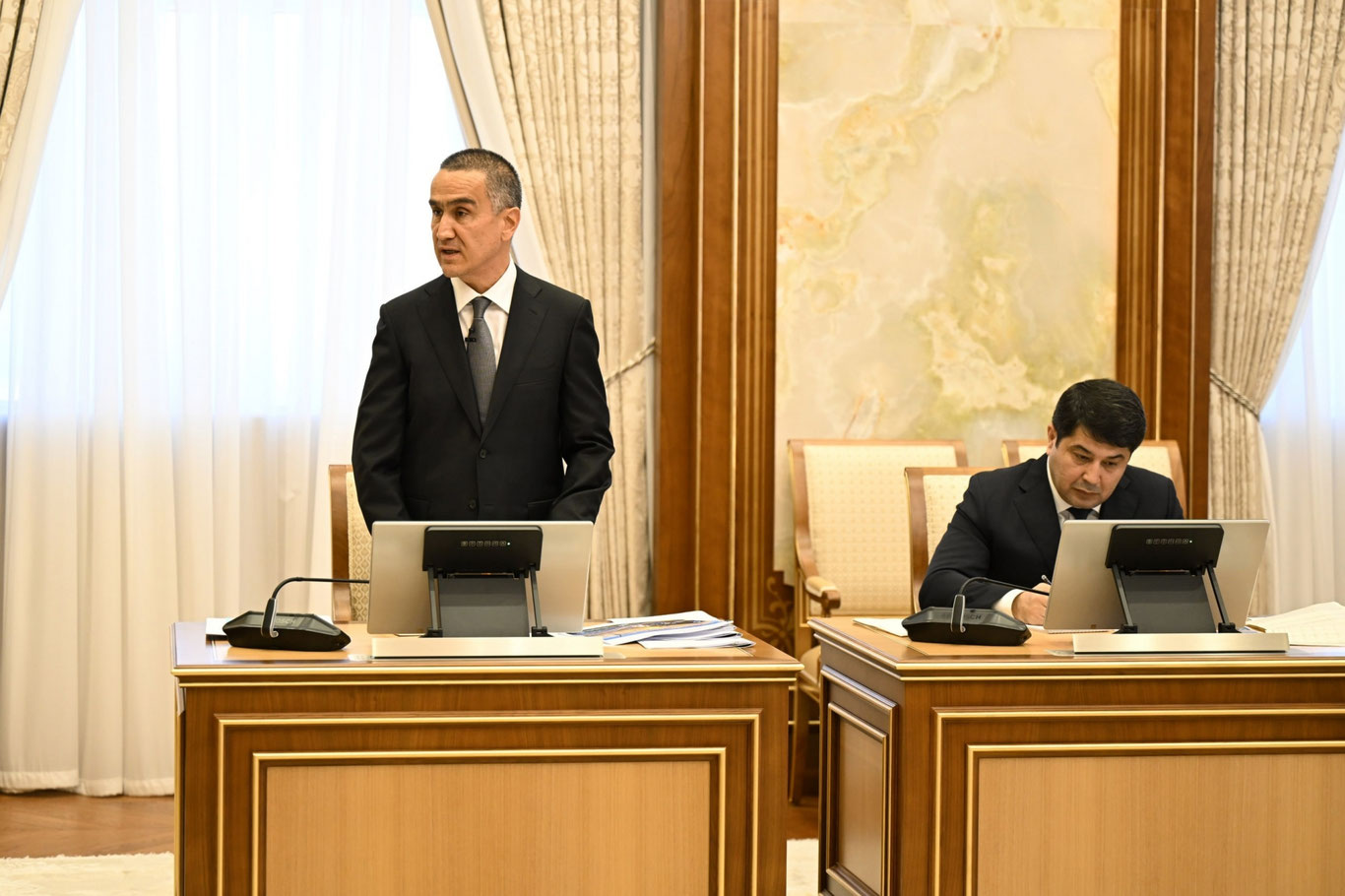
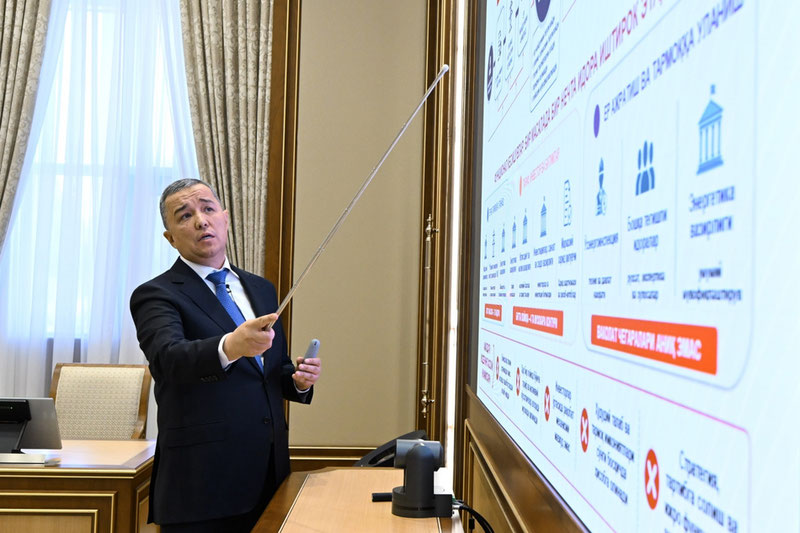
President Shavkat Mirziyoyev was briefed on a presentation on the prospects for developing the electric power industry and improving the mechanisms for managing projects in the fuel and energy sector.
The presentation discussed, in particular, the issue of creating new infrastructure for the digital economy by utilizing the renewable energy potential in Karakalpakstan. It was proposed to connect prospective wind power plants in the region with 1-gigawatt data centers, and to build a new 220-kilovolt substation and power transmission networks for this purpose.
It was noted that the new infrastructure will enable the integration of data centers into the energy system, attract high-tech investment, and ensure the efficient use of the region's energy potential.
The presentation also reviewed proposals for fundamentally transforming the system of formulating and implementing investment projects in the energy sector.
It was noted that under the current procedure, many projects are initiated at the investor's initiative. Land plots, grid connection, technical specifications, tariffs, and investment agreements are each negotiated separately with various agencies. This leads to delays in these processes, duplication of agency functions, and some projects not being sufficiently linked to system needs.
Therefore, a new management model was proposed based on formulating energy projects primarily on the basis of the future needs of the economy, the population, and the regions. According to this model, demand is determined first, and then the necessary generation and infrastructure capacities are planned. For projects with pre-prepared land plots, grid connection points, and technical solutions, the investor is selected on the basis of an open and competitive tender.
It was also proposed to clearly define the tasks and responsibilities of the authorized agencies in the energy sector. The Ministry of Economy and Finance will formulate the demand forecast, and the Ministry of Energy will be responsible for strategic planning and technical policy.
The energy market regulator will regulate market relations and tariffs, and the agencies responsible for investment will attract investors on the basis of an open tender. Local hokimiyats will resolve land and necessary infrastructure issues.
It was proposed to formulate a forecast of demand for energy resources by regions and sectors, and on this basis to adopt three-year investment plans updated annually. This will enable the coordinated planning of generation capacities, power grids, and necessary infrastructure.
In the long term, it is envisaged to develop a concept for the provision of fuel and energy resources through 2050. It will comprehensively take into account national resource potential, demographic and economic growth, energy efficiency, the development of renewable and nuclear energy, and energy security issues. It was proposed to review the concept every five years.
The President emphasized that every new project in the energy sector must serve the long-term needs of the economy and the population, and that a constant balance must be ensured between production, grid load, and consumption.
Instructions were given to the responsible officials to launch major projects within the established deadlines, take concrete measures with investors on delayed projects, develop generation capacities and power grids in a proportionate manner, expand energy storage systems, and introduce the new planning and management model.