Thailand's clean water problem: it is being caused by mines in Myanmar
In Thailand's border area with Myanmar, arsenic levels in water sources have been found to be 25–30 times higher than the established norm.
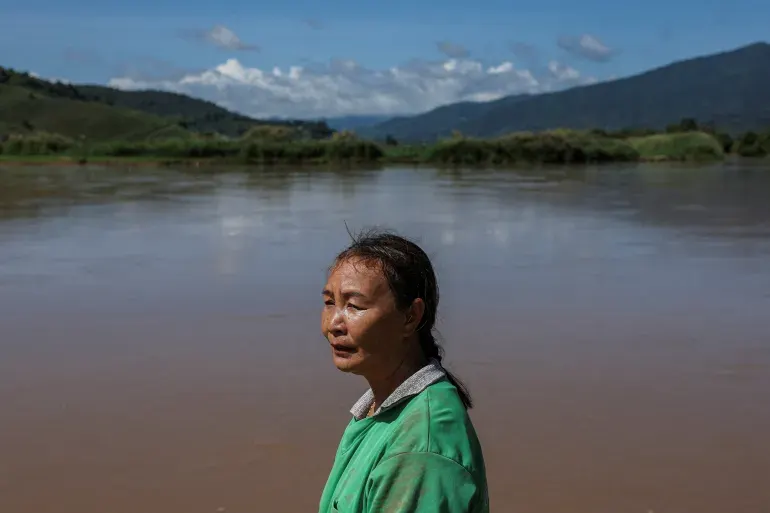
The Thai government is taking measures to provide more than 20,000 households in Chiang Rai province in the country's north with safe drinking water. This was prompted by arsenic linked to mining activities in Myanmar contaminating water sources. Al Jazeera reported on this.
According to reports, tap water supply has been suspended this month in 14 villages in Mae Sai district, which borders Myanmar. This was due to the discovery that arsenic levels in the local water supply system were 30 times higher than the safe limit.
It was also noted that arsenic levels in the untreated water of the Sai River, a tributary of the Mekong River, were 25 times higher than the standard set for drinking water.
Thai Prime Minister Anutin Charnvirakul has instructed relevant agencies to find alternative water sources and to continuously monitor tap water quality. Currently, two water tanker trucks have been deployed to provide the population with clean drinking water.
Researchers at Naresuan University, based on chemical analyses and satellite data, determined that the majority of arsenic-contaminated sediments in the Sai River originate from gold mining operations in Myanmar.
It is also said that the increase in rare earth metal mining in areas of Myanmar controlled by armed groups is causing dangerous levels of heavy metals to accumulate in Thai water basins, including the Mekong River. Some of the raw materials extracted from these mines are delivered to processing plants in China.
During his visit to Myanmar last week, Thailand's foreign minister raised the sharp increase in pollution in the Sai River. He emphasized that wastewater from the mines was causing it and called the situation an urgent issue that must be resolved immediately.
The Thai government has also discussed this problem with Beijing. According to researchers' data, many mines in Myanmar are operated by Chinese companies.
Experts are concerned that contaminated water may spread to other areas along the Mekong River. This river is an important water source for millions of people in several countries.
In addition, Thai officials announced in October that arsenic was detected in the urine of 17 out of 177 people tested in Nong Khai province, which borders Laos.