Due to the situation in the Persian Gulf, fuel restrictions are being implemented in Europe.
Against the backdrop of tensions in the Strait of Hormuz and difficulties in oil supply, European countries have set a daily limit on fuel purchases for drivers.
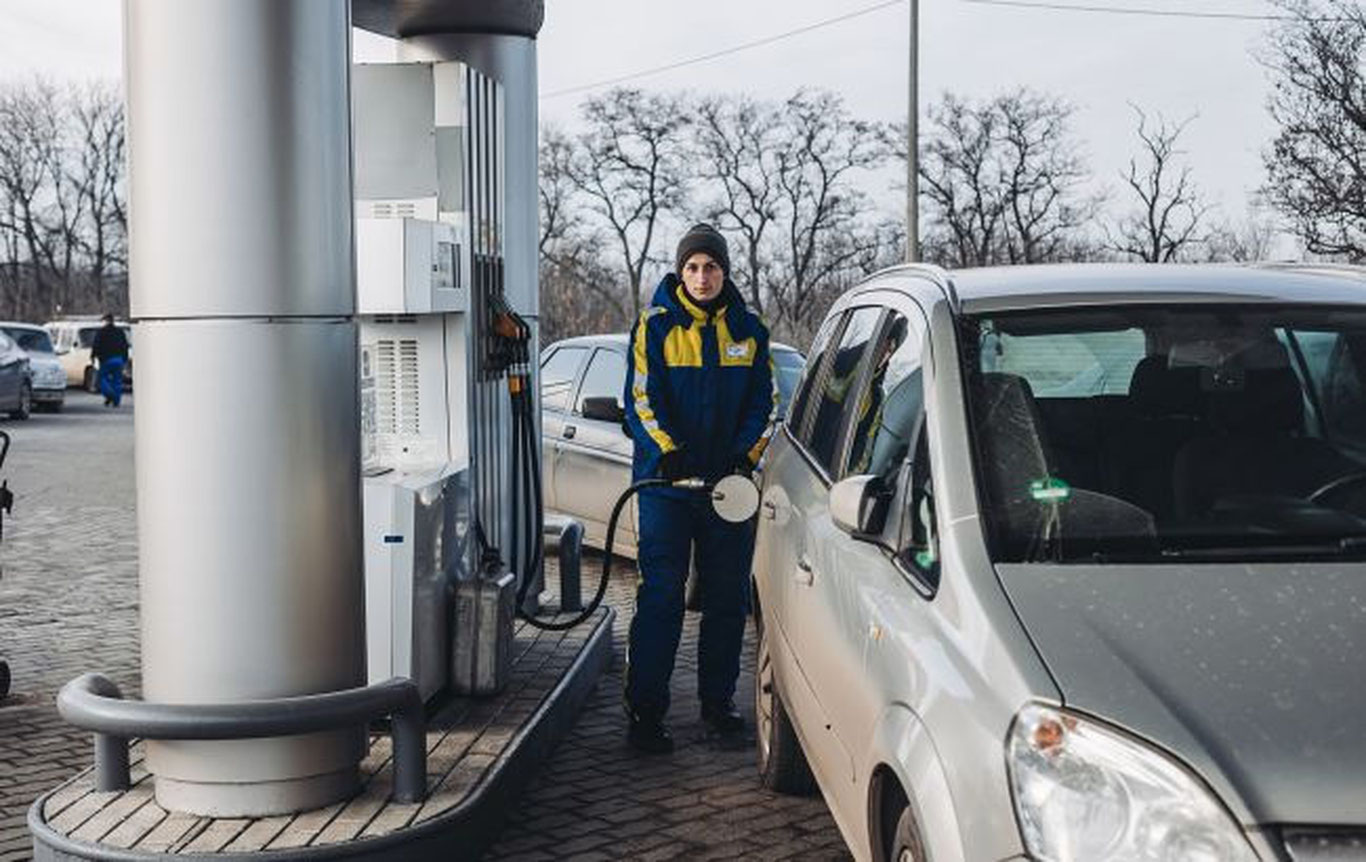
Oil prices are reaching record levels due to tensions in the Persian Gulf region. In light of this, some European Union countries are introducing administrative restrictions on fuel sales.
According to a report by Point publication based on available data, in Europe now not only has the price of fuel increased, but drivers are also unable to fill a full tank. The most noticeable impact is observed in Central Europe. Some governments are setting strict daily quotas to prevent panic and "fuel tourism."
In the case of Slovenia, citizens are not sold more than 50 liters per day, and businesses are not sold more than 200 liters. Prime Minister Robert Golob told the public that reserves exist, but also noted that logistics are insufficient due to increased demand. Even military personnel are being deployed to fuel stations.
In Slovakia, a financial limit has been introduced: no more than 400 euros worth of fuel can be purchased per vehicle per day. For trucks, this covers less than 20% of a tank.
One of the main factors destabilizing the market is "fuel tourism," meaning drivers from neighboring countries coming to fill up fuel in the country.
Additionally, the local population's attempts to stockpile for a "rainy day" are leading to tanks emptying quickly at stations.
Fuel restrictions are forcing transport companies to search for fuel abroad, make frequent stops, and increase transport tariffs.
This, in turn, leads to an increase in the price of products on store shelves.
Some countries, instead of restrictions, are applying financial measures. For example, Italy has temporarily reduced excise duties and allocated 100 million euros in tax benefits for transport companies to compensate for the rise in diesel prices until spring 2026. However, experts assess these measures as not fully protective against market instability.