Uzbekistan's experience in integrating science and state policy was presented at the UNESCO global conference.
At the event, Vice-President of the Academy of Sciences Shahlo Turdiqulova gave a presentation on the country's scientific policy and its experience in restoring the Aral Sea region.
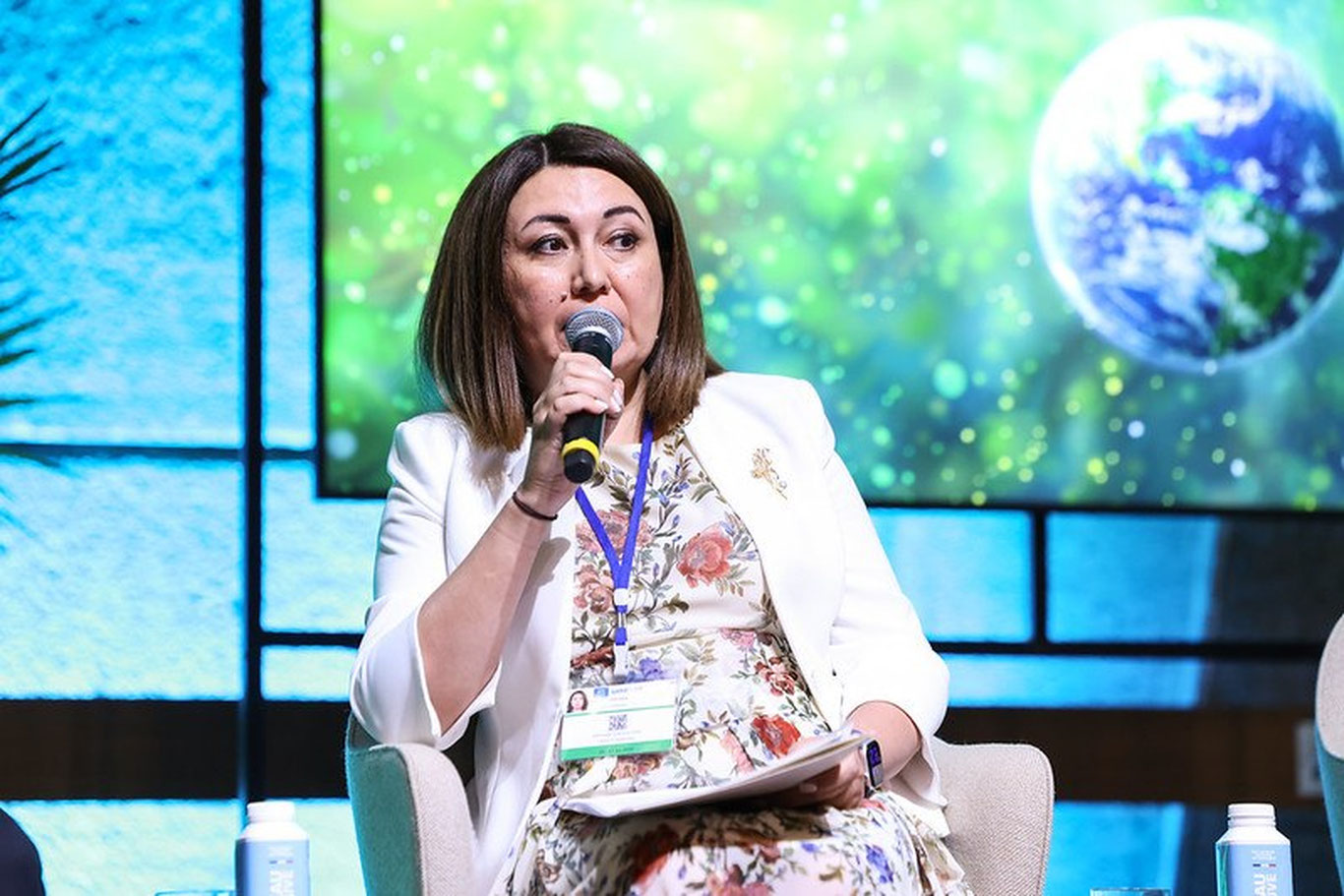
Uzbekistan's approach to integrating science and public policy was presented at the first Global Conference within the framework of UNESCO's International Decade of Sciences.
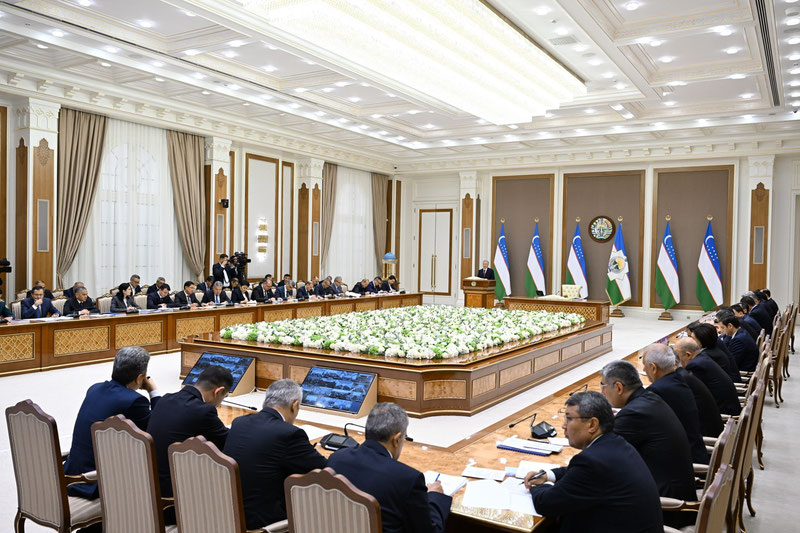
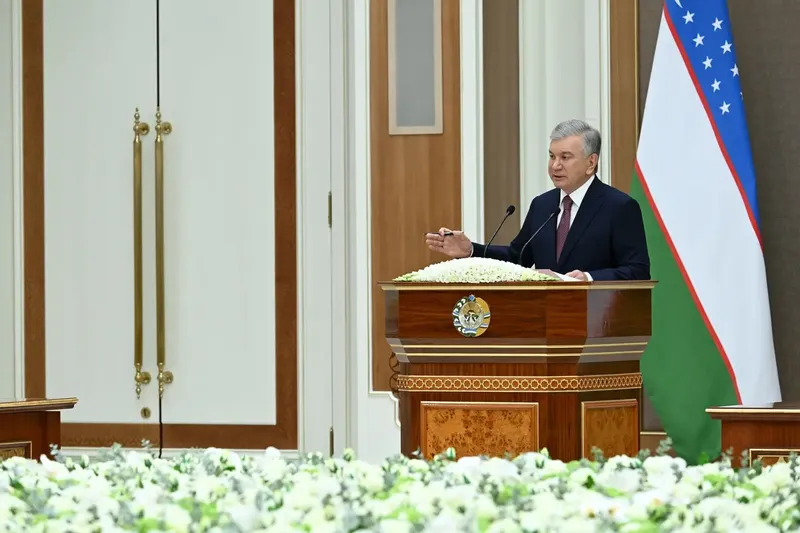
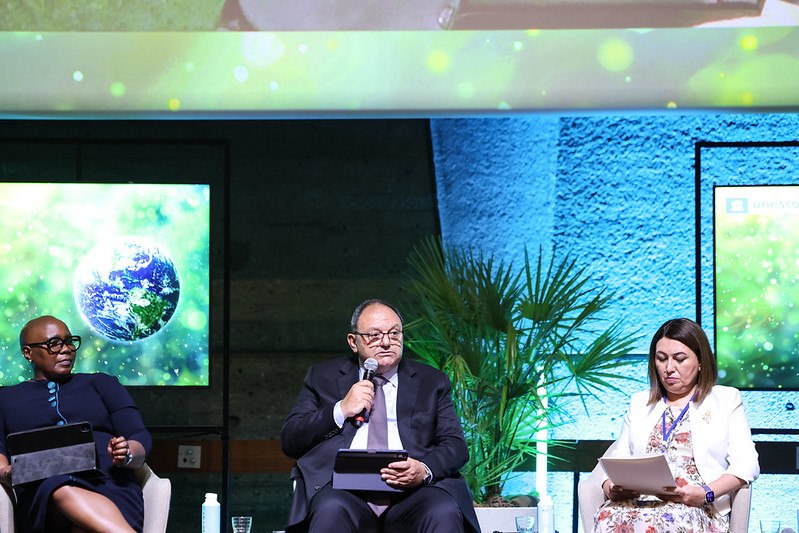
A thematic panel titled "Translating Evidence into Priorities" was held at UNESCO's headquarters in Paris, France, as part of the first Global Conference within the framework of the International Decade of Sciences for Sustainable Development (2024–2033). The panel discussed issues of integrating scientific knowledge into public policy formulation processes. Vice-President of the Academy of Sciences of the Republic of Uzbekistan, Professor Shahlo Turdikulova, participated in the panel.
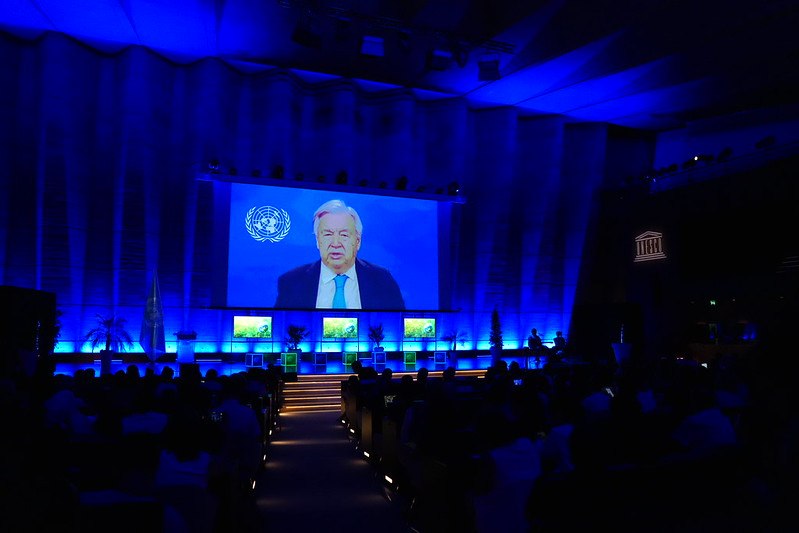
The Global Conference, organized by UNESCO, was the first high-level international platform dedicated to implementing the International Decade of Sciences for Sustainable Development. The main goal of the conference was to define priority directions for the next stage of implementing the decade, strengthen cooperation between science, government, and society, as well as enhance the role of scientific knowledge in achieving the Sustainable Development Goals.
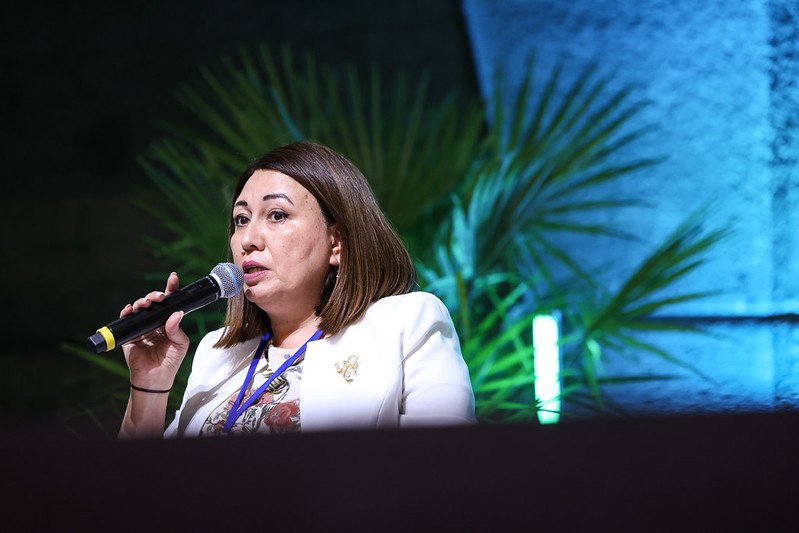
In her report, Professor Shahlo Turdikulova presented Uzbekistan's approach to forming a modern scientific policy based on harmonizing the country's national development priorities with the scientific agenda. As noted, effective cooperation between science and the state should begin not after research results are obtained, but at the stage of defining the country's strategic objectives. Such an approach makes it possible to formulate scientific programs aimed at solving nationally significant problems and to effectively apply scientific knowledge in practice.
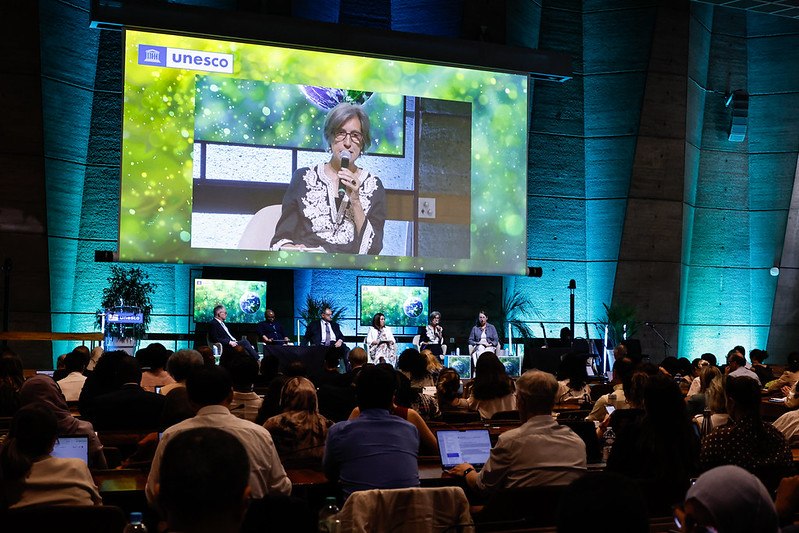
As an example, the experience of developing the new five-year strategy of the Academy of Sciences of the Republic of Uzbekistan was presented. It is based on the principle of shaping the scientific agenda based on national development goals. Special attention was also paid to organizing research not according to the traditional sectoral approach, but around complex national tasks such as food security, climate change, rational use of water resources, biotechnology, and environmental sustainability.
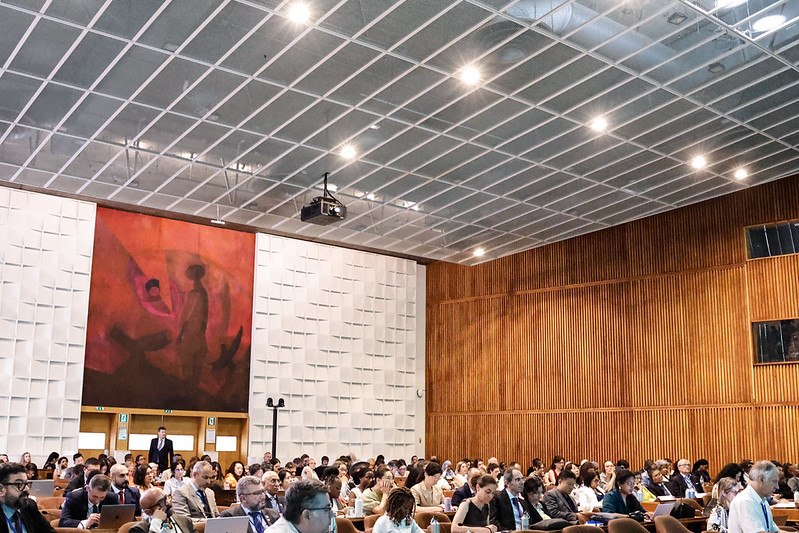
Responding to the moderator's question about examples of successful integration of scientific knowledge into public policy, Professor Shahlo Turdikulova presented Uzbekistan's experience in restoring the Aral Sea region. As noted, scientific research formed the basis of the state program for forest reclamation of the dried bed of the Aral Sea. Under this program, over one million hectares of land have been greened in recent years.

Uzbekistan's experience in promoting the environmental agenda on the international stage was also noted. In particular, the adoption by the UN General Assembly of a resolution declaring the Aral Sea region a zone of ecological innovations and technologies, as well as the launch of the regional initiative "Green Belt of Central Asia," were especially highlighted.