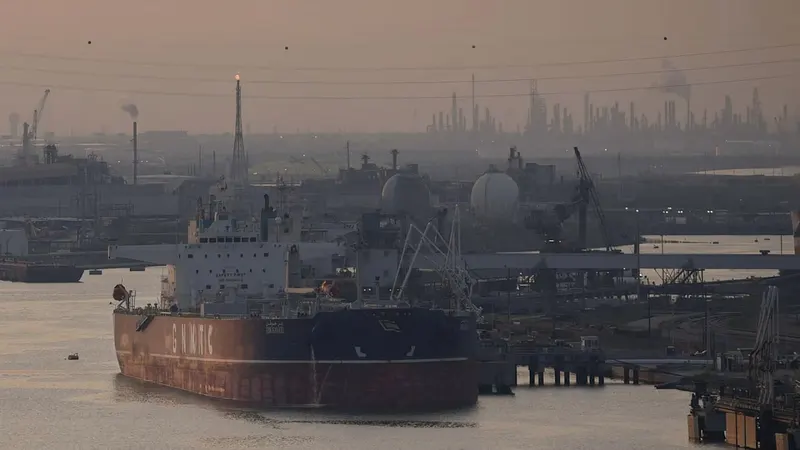
The risk of the Kaliningrad blockade: Russia is building two railway ferries
This measure is being implemented to protect the Kaliningrad region from a transport blockade and to establish its uninterrupted supply.
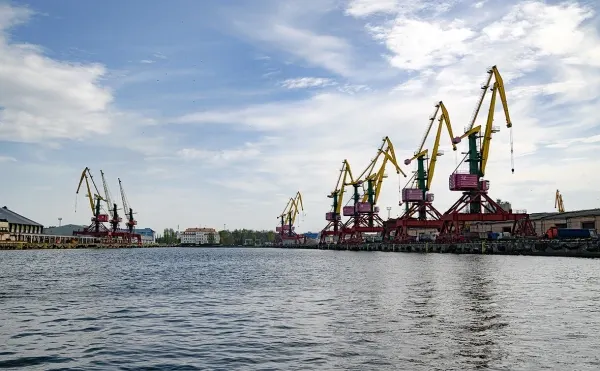
The Russian government will allocate nearly 50 billion rubles to build two railway ferries in order to reduce the risk of the Kaliningrad region falling into a transport blockade. This was reported by RBK, citing the country's Prime Minister Mikhail Mishustin.
According to Mishustin, the ferries will be built at a Russian domestic shipbuilding yard, based on the country's own project. They will operate on the sea route between the ports of Baltiysk and Ust-Luga, which connect the Kaliningrad and Leningrad regions.
The total cost of the project is nearly 47 billion rubles. Of the funds, up to 38.1 billion rubles will be financed from the National Welfare Fund, and the remainder from the federal budget. The ferries are planned to be completed by 2030.
According to the Russian government, the new vessels will serve to increase the volume of cargo and passenger transport by sea, reduce dependence on land transit routes, and improve the transport capabilities of the Kaliningrad region.
For reference, in late September, NATO Secretary General Mark Rutte stated that the alliance had received a warning that Russia could give a nuclear response if attempts were made to blockade the Kaliningrad region by air or sea. Later, the head of the alliance's Military Committee, Giuseppe Dragone, said that the bloc had no such plans.
Russian presidential aide Nikolay Patrushev, meanwhile, emphasized that Moscow would respond promptly to any aggressive actions against Kaliningrad. Vladimir Putin also stated that in the event of a direct attack on Russia, including the Kaliningrad region, the question of using all weapons at the country's disposal would be raised.