Livestock development: an additional 400 thousand tons of meat is planned to be produced
By 2030, it is proposed to increase feed production to 90 million tons, establish more than 100 feed centers, and introduce new subsidies for livestock.
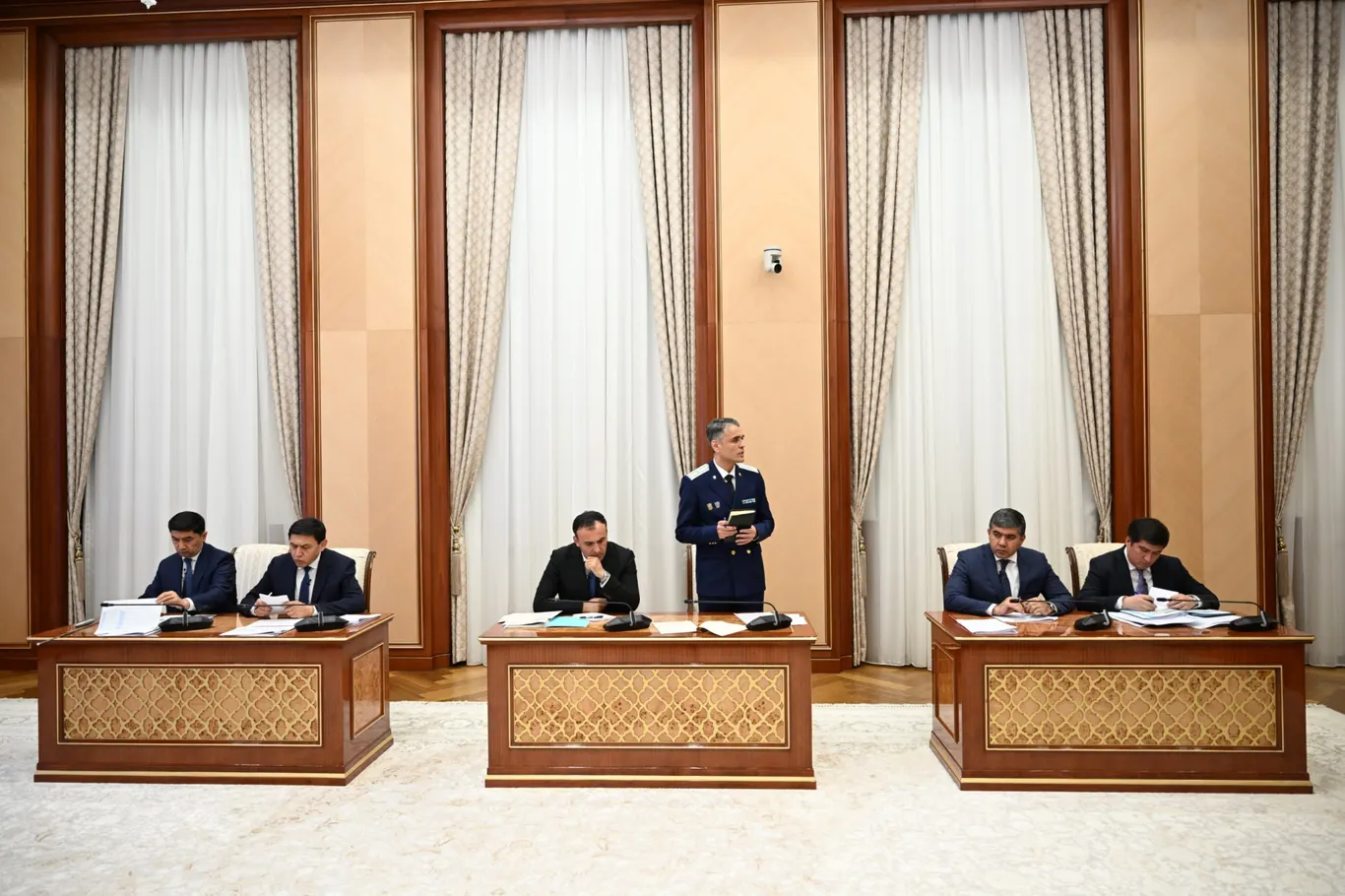
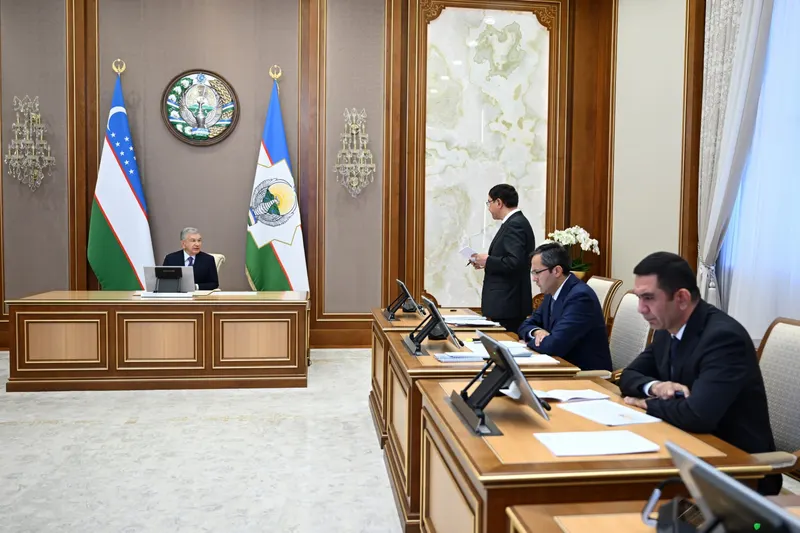
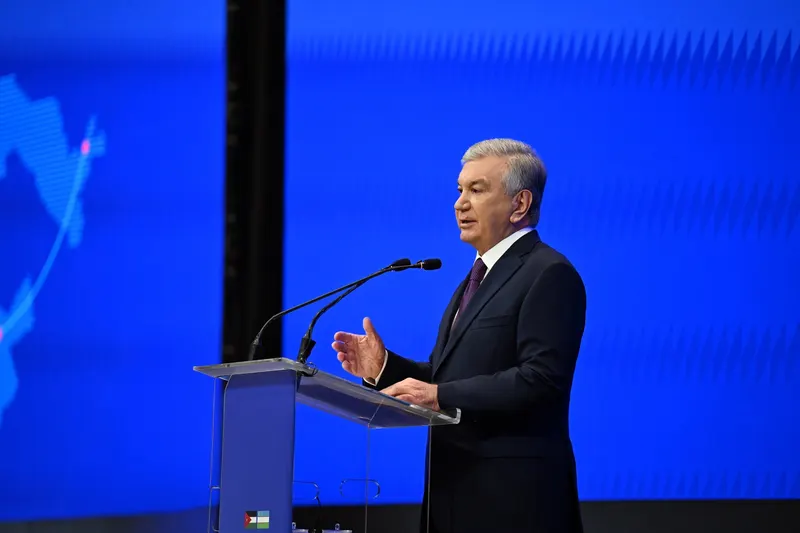
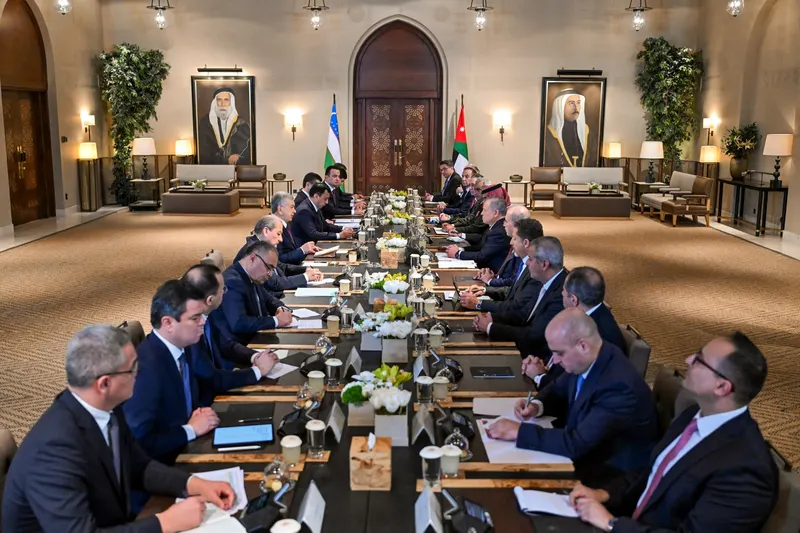
President Shavkat Mirziyoyev reviewed a presentation on measures for the comprehensive development of the feed base in livestock farming. It examined proposals to increase feed production volumes, ensure efficient use of pastures, and support livestock farmers.
Today, Uzbekistan is raising 12.5 million head of cattle, 23 million head of sheep and goats, and 125 million head of poultry. 48 million tons of feed are produced annually. However, this does not fully meet the demand: while 6.5 tons of feed per head of cattle is required annually, in practice it does not exceed 4 tons. Feed costs account for 30 percent of the cost of meat.
The presentation proposed increasing feed production volumes to 64.5 million tons by 2027 and to 90 million tons by 2030. To achieve this, the accounting of feed crop areas and types will be digitalized, and the targeted use of land will be monitored through space monitoring. It is planned to increase crop yields from 350 centners per hectare to 500 centners, and to bring 200,000 hectares of land back into use by 2030. Next year, these efforts will be carried out on 50,000 hectares.
Additionally, drought- and salinity-resistant feed crops will be cultivated in eight districts of Kashkadarya. By 2030, it is envisaged to seed 1 million hectares of pasture across the country using drones.
To create a system for the production, processing, storage, and delivery of feed, more than 100 feed centers and branches will be established in the regions. They are expected to provide households, where 87 percent of cattle are raised, with quality feed at affordable prices.
As part of supporting entrepreneurs, it was proposed to build reservoirs with a capacity of up to 100,000 cubic meters at the expense of the local budget for those who cultivate feed crops on more than 500 hectares and introduce modern irrigation systems.
It is also envisaged to increase the subsidy amount for “Pivot” irrigation technology from 2.5 million soums to 4 million soums per hectare, and to cover up to 50 percent of the costs of renewable energy equipment when irrigating an area of at least 10 hectares.
It was proposed to give entrepreneurs who have developed pastures in Karakalpakstan, Navoi, Bukhara, Kashkadarya, and Khorezm the opportunity to build livestock complexes on part of these lands. In addition, it is planned to provide preferential loans for feed centers and crop cultivation, facilitate the purchase of agricultural machinery, attract foreign specialists, and partially cover the costs of improving the qualifications of local personnel.
Starting from 2027, it was proposed to introduce, as a pilot, a system of subsidizing 10 percent of feed costs for livestock raised in households in Kashkadarya.
Currently, 95 percent of the demand for feed crop seeds is covered by imports. Therefore, it is planned to establish research and seed-growing centers in Kashkadarya in cooperation with Egyptian scientists, and to develop high-yielding, drought- and salinity-resistant varieties adapted to the local climate.
To improve livestock breeding, it was proposed to widely apply artificial insemination and embryo transfer technologies with high genetic value, develop breeding services, and establish cooperation between large farms and households.
It was noted that as a result of these measures, it will be possible to increase the live weight of cattle at slaughter from 250–350 kg to 450–550 kg and to produce an additional 400,000 tons of meat.
The President gave instructions to the responsible officials to thoroughly develop the proposals, define financing mechanisms, and ensure the stability of prices for meat and dairy products in the domestic market.