Putin is spending billions of dollars on anti-aging.
Within the framework of the program, work is also being carried out on bioprinting and technologies for growing human organs in mini-pigs.
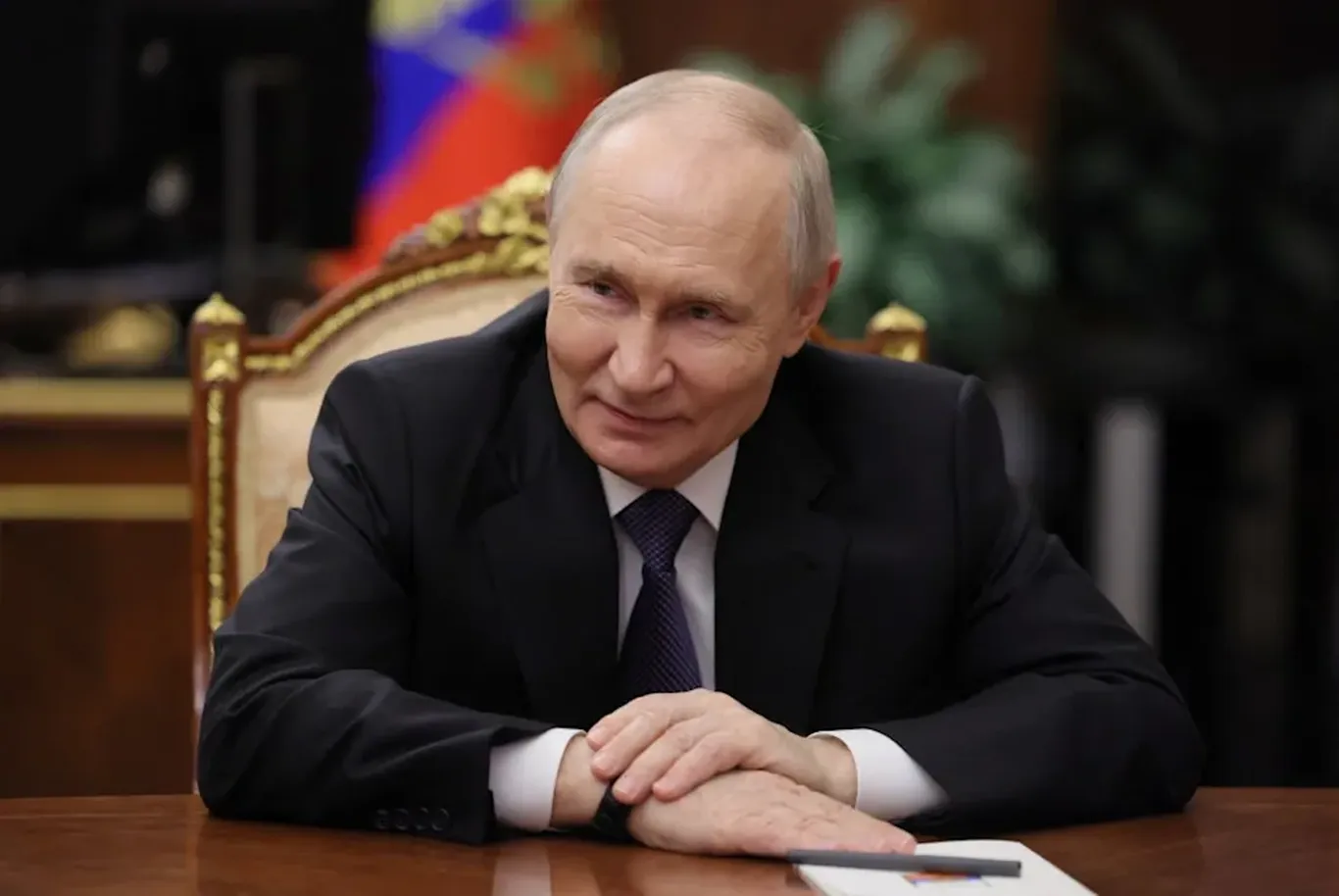
The longevity program proposed by Russian President Vladimir Putin includes technologies such as gene therapy, 3D printing of organs, and growing human organs in mini-pigs. According to The Wall Street Journal, the Kremlin has turned this direction into one of Russia's most important scientific projects, reports tovima.com.
It is reported that anti-aging scientific research in Russia is being made one of the priority directions of state policy. Within the framework of the "New Healthcare Technologies" program, presented by Vladimir Putin in 2024, $26 billion has been allocated for projects aimed at extending life and slowing down the aging process.
Last month, the Russian government announced that a gene therapy drug designed to slow down cellular aging is being developed. Officials emphasize that this project is considered one of the most promising directions in the fight against aging.
Within the program, work is also being carried out on bioprinting — 3D printing of living tissues, and xenotransplantation — technologies for growing human organs in the bodies of mini-pigs. Russian scientists aim to create technologies that will allow for the replacement of human organs by 2030.
The WSJ article notes that Putin has been interested in anti-aging research for many years. The publication mentions him as one of the political leaders showing great interest in life extension technologies, alongside tech billionaires like Jeff Bezos, Sam Altman, and Peter Thiel.
The article also discusses Putin's particular focus on aging and health issues. Specifically, during the COVID-19 pandemic, the Russian president implemented strict quarantine procedures, required long-term isolation for visitors, and used disinfection tunnels. His holding of meetings behind long tables during that period was also widely discussed.
Additionally, the article mentions Putin's interest in cryotherapy, a method of exposing the body to extremely low temperatures. In 2018, he recommended trying such a treatment to then-Austrian Chancellor Sebastian Kurz. Kurz later stated that Putin spoke with great enthusiasm about the benefits of cryotherapy.
WSJ notes that Putin also pays special attention to presenting himself publicly as a physically fit and energetic leader. Over the years, he has cultivated an image of an active and strong leader through images depicting him hunting bare-chested, playing hockey, and riding motorcycles.
Russia's longevity program is led by Putin's daughter, endocrinologist Maria Vorontsova, and the head of the Kurchatov Institute, Mikhail Kovalchuk. Kovalchuk emphasizes that science may in the future allow for the unlimited restoration and replacement of certain parts of the human body.
However, some scientists are approaching the project's results with caution. In their opinion, many developments in this direction have not yet been sufficiently confirmed in international scientific journals, and it is too early to talk about practical results.
The article concludes by noting that the average life expectancy for men in Russia is about 68 years, which is significantly lower than in the USA and many Western European countries.