Why is Ukraine striking the WB?
You may have come across videos and reports circulating online about Ukraine striking Russia's "Wildberries" warehouse several times in a row. So, why is Ukraine striking this location?

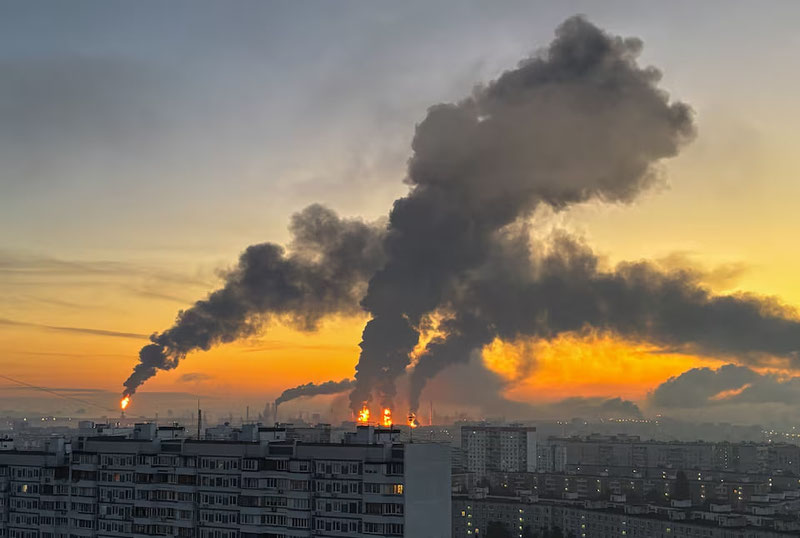
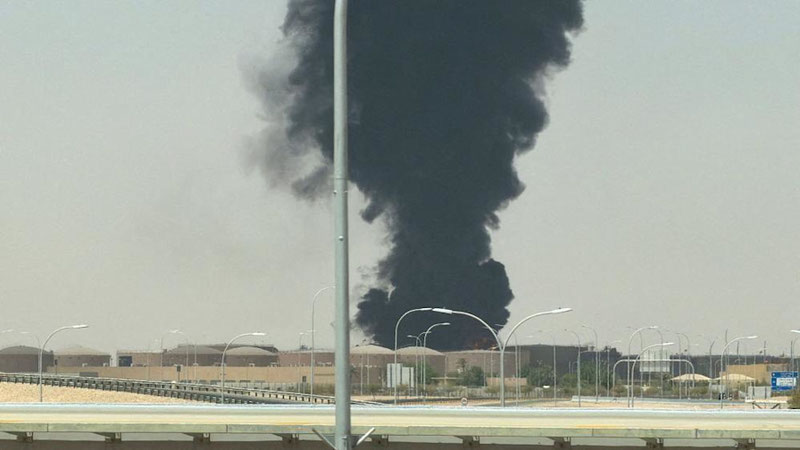
On August 3, Ukraine struck the “Wildberries” warehouse in Russia's Vladimir region once again. This was the third strike on the logistics network of the e-commerce giant within the last two weeks. Kyiv considers this network one of the key supply chains for spare parts for Russian military drones.
The “Wildberries” press service confirmed on its Telegram page that a fire had broken out at the facility and initially reported that there were no casualties. However, later, Vladimir region governor Alexander Avdeyev stated that two people had been injured as a result of the attack.
Since July 18, Kyiv has sharply intensified its attacks on this largest e-commerce giant, which is often compared to “Amazon.”
Why is Ukraine targeting “Wildberries” facilities?
Founded in 2004, “Wildberries” is Russia's largest online marketplace.
According to Ukrainian President Volodymyr Zelenskyy, the warehouses targeted by Ukrainian drones were involved in supplying the Russian armed forces with drone components, navigation equipment, and other military parts.
The e-commerce platform has listed a wide range of military goods on its site, including drone spare parts and body armor. However, the company's role in Russia's wartime economy is not limited to this alone.
To understand the scale of the business, let us refer to some figures: “Wildberries” has reported an annual goods turnover of 70–75 billion euros, which, according to various estimates, equals slightly more than 2 percent of Russia's GDP.
This marketplace, often compared to “Amazon,” directly employs tens of thousands of people — according to the company's own data, the number of permanent employees is approximately 50,000, while during seasonal revenue peaks, its expanded logistics workforce exceeds 100,000.
“Wildberries” and its founder, Tatyana Kim, known as Russia's richest woman, have become targets of international sanctions due to Russia's full-scale invasion of Ukraine in early 2022.
In 2022, when Poland imposed sanctions on the company, it described “Wildberries” as “the largest taxpayer in the Russian Federation.”
In July, the European Union imposed sanctions on the company's banking network for its financial contribution to the Russian state budget.
Although Kim herself stated last Friday that her business is not legally obligated to pay compensation to users for damages caused by Ukrainian attacks, it is clear that “Wildberries” expects some form of compensation from Moscow.
Will Russia manage to preserve its largest online marketplace?
For Russia, “Wildberries” is a “too big to fail” entity, given its enormous role in the country's economy.
According to media reports, the Russian government is seeking ways to support “Wildberries” and the businesses trading on it following these attacks. It has been reported that the state-controlled bank “VTB” is expected to play a central role in organizing state aid, such as loans, subsidies, or tax breaks.
Throughout last week, Russian entrepreneurs who had been using “Wildberries” flooded social media complaining that they were being left alone with heavy losses, receiving almost no support from the platform.
Sellers emphasized that tax breaks and credit holidays were more important to them than the symbolic compensation offered, and warned that if they did not receive serious assistance, thousands of small businesses risked closure and tax revenues could sharply decline.
Most of these posts appeared on Instagram, a network officially banned in Russia since March 2022.