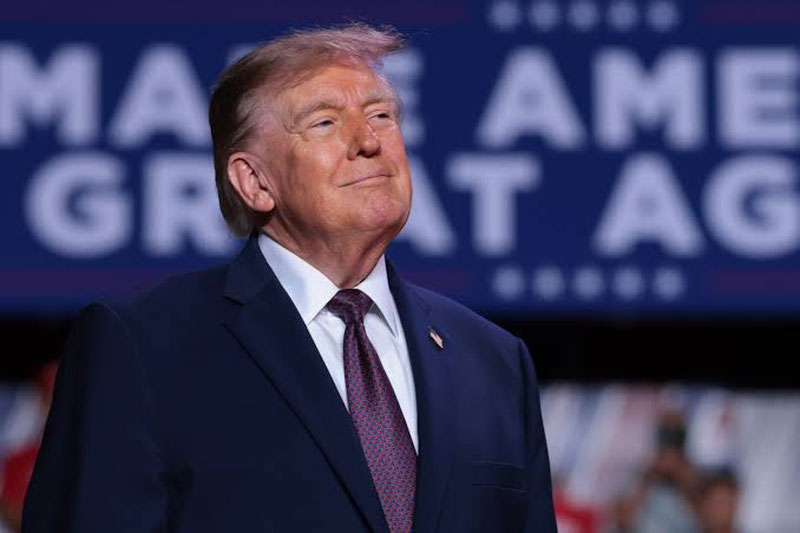
Donald Trump has again delayed striking Iranian energy facilities for 10 days.
Trump stated that this decision was made at Iran's request. Iran, however, announced that it had not sent any request to the U.S. to stop the strikes.
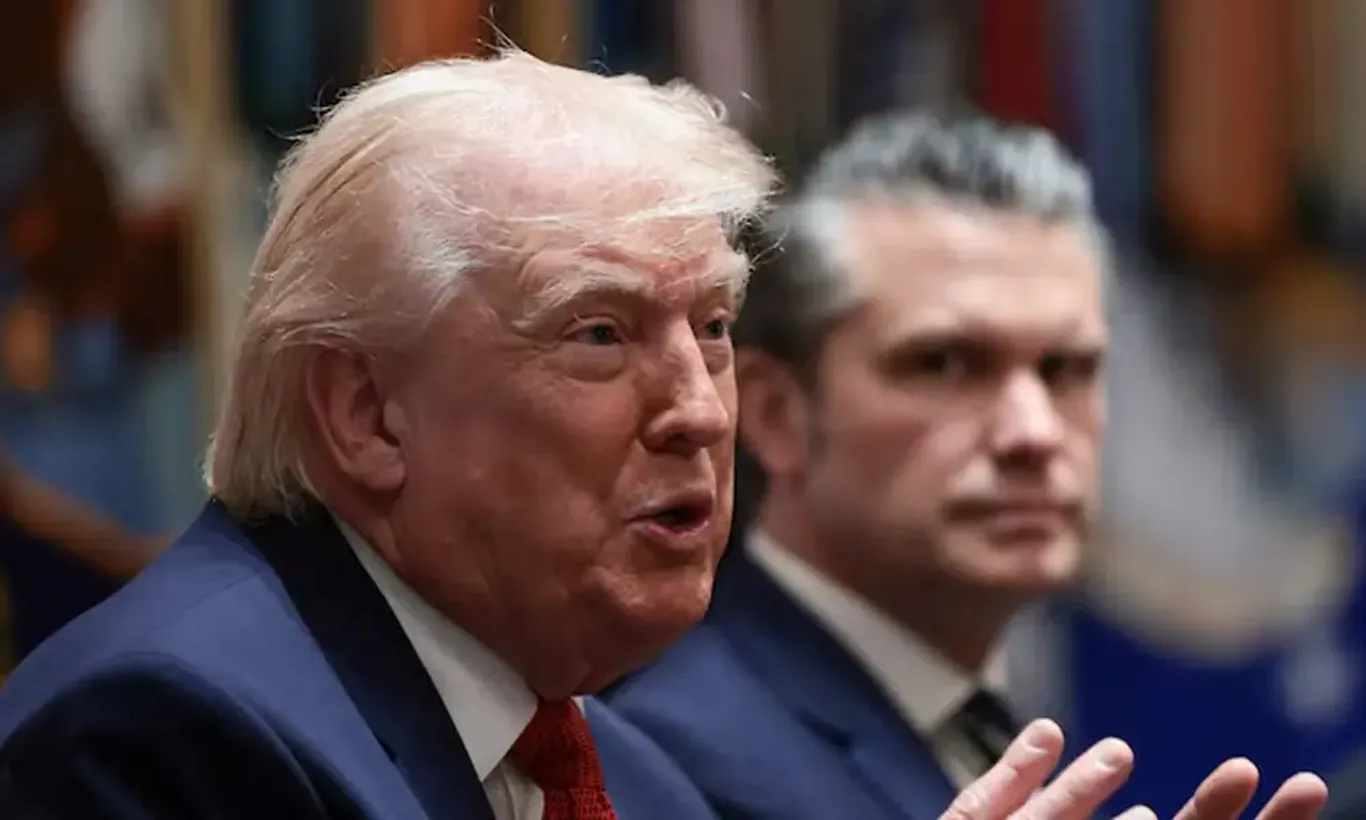
U.S. President Donald Trump announced a temporary 10-day pause on planned strikes against energy infrastructure related to the conflict with Iran. Trump announced this on the Truth Social network.
The U.S. President stated that this decision was made at the request of the Iranian side. On his social media page, Trump indicated that negotiations are "going very well."
However, Iranian officials have stated that no direct negotiations are being held with the U.S., describing Washington's proposals as unjust.
The Wall Street Journal, citing peace negotiation mediators, reported that Iran has not requested a pause on strikes targeting its energy facilities.
It is known that the U.S. and Israel initiated military strikes on February 28th after negotiations on Iran's nuclear program failed. The conflict, ongoing for over four weeks, has expanded across the Middle East, resulting in thousands of casualties.
The conflict is also seriously impacting the global economy. Specifically, oil prices have risen by nearly 40%, while liquefied natural gas and nitrogen fertilizer prices have sharply increased. Stock markets have also declined, with the Nasdaq index falling over 2%, and Brent crude oil surpassing $105 per barrel.
Iran continues retaliatory attacks in response to U.S. and Israeli strikes. Notably, the country has launched several missile strikes on Israeli territories, including Tel Aviv and Haifa. According to Israeli military information, at least one ballistic missile landed in Tel Aviv, with some reportedly equipped with cluster munitions, damaging residences and vehicles.
One person was killed in a rocket attack carried out by Hezbollah in the city of Nahariya in northern Israel.
In Iranian territory, strikes were reported in the city of Bandar Abbas, areas near Shiraz, and on a university building in Isfahan. An Israeli strike on three residential buildings in the city of Qom resulted in at least six fatalities.
Against the backdrop of the conflict, energy shipments through the Strait of Hormuz have been disrupted. Nearly 20% of global oil and liquefied natural gas passes through this strait. It has been noted that Iran has effectively blocked this route. At the same time, Abbas Araghchi stated that the strait remains open for countries friendly to Iran.
Reuters notes that the Pentagon is considering the possibility of sending up to an additional 10,000 troops to the Middle East. The U.S. also confirmed it has used unmanned fast boats for the first time within the scope of the conflict.
A 15-point proposal developed by the U.S. was rejected by Iran. This plan demanded that Tehran abandon its nuclear program, limit its missile capabilities, and relinquish control over the Strait of Hormuz.
Furthermore, it was announced that indirect negotiations are being conducted via Pakistan, with Turkey and Egypt also mediating.
Iran, for its part, is putting forward its own demands regarding guarantees against future military attacks, compensation for damages incurred, and the issue of control over the Strait of Hormuz.
Tehran has also stated that Lebanon must be included in any peace agreement.
Experts believe that if the current tension between the parties persists, a further escalation of the conflict could pose a serious threat to global security and economic stability.