Ukraine wants to export grain through the Baltic States: up to $2 billion needed
Using this route increases the cost of transporting one ton of Ukrainian grain by nearly 100 dollars.
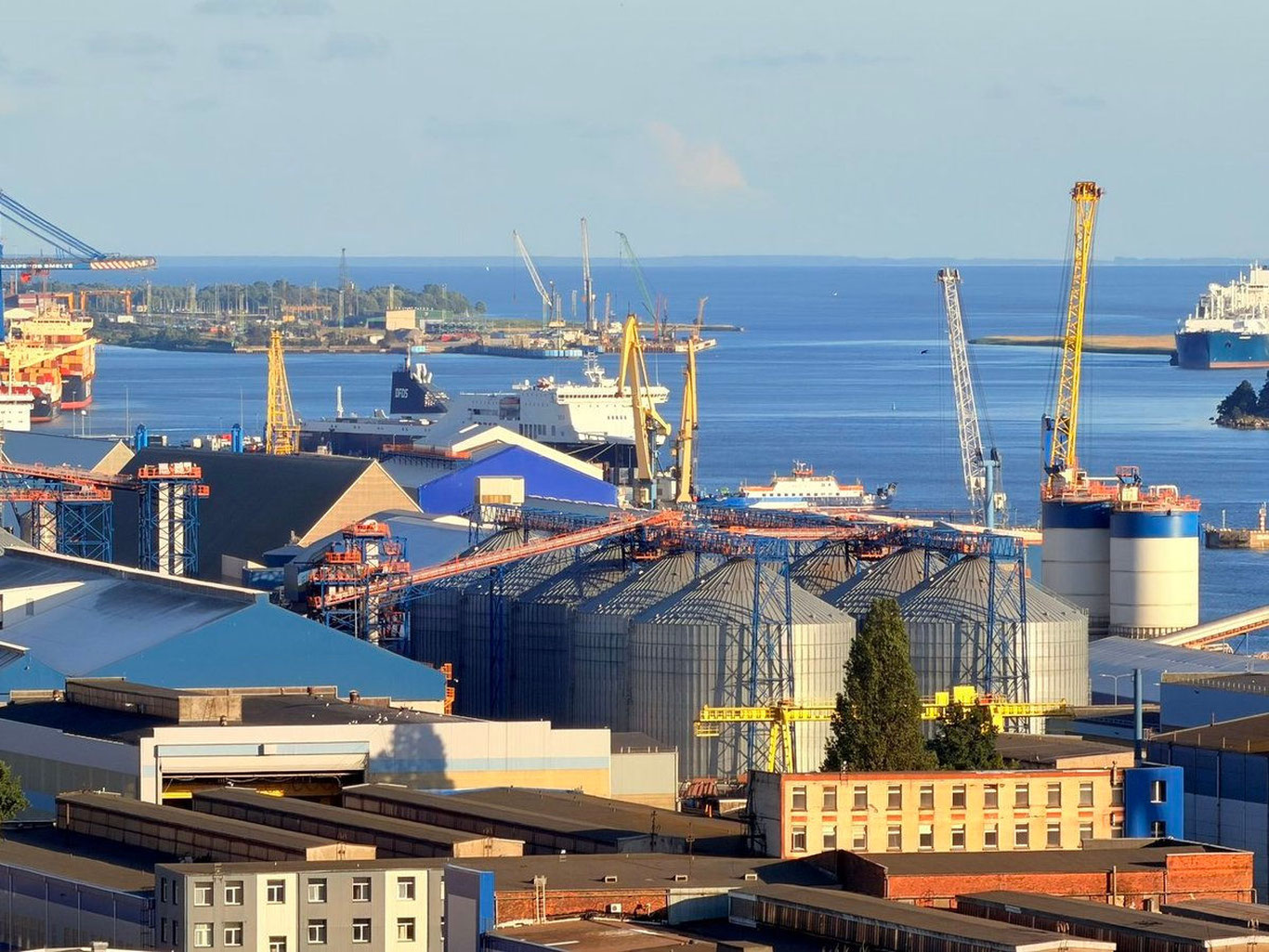
Ukraine is considering the possibilities of exporting agricultural products through the ports of the Baltic countries. However, the main problem in this direction remains the high logistics costs .
This issue was discussed on September 23 at a meeting between Ukraine's Minister of Agrarian Policy and Food, Taras Vysotskyi, and Estonia's Minister of Regional Affairs and Agriculture, Hendrik Johannes Terras.
According to Vysotskyi, nearly 70 percent of Ukraine's agricultural product exports are directed to foreign markets. Before the war, more than 90 percent of exports were carried out through Black Sea ports.
The Ukrainian side has stated that due to Russian attacks, risks to civilian vessels and port infrastructure have increased. For this reason, the country is developing alternative export routes.
Currently, alternative routes provide about 44 percent of the agricultural product exports Ukraine needs. Ukraine plans to increase this figure to 50 percent, particularly through the use of Baltic ports.
However, the main disadvantage of the Baltic route is high logistics costs. Using this route increases the cost of transporting one ton of Ukrainian grain by nearly 100 dollars. Therefore, Ukrainian farmers are unable to independently cover transit costs through the ports of Gdansk, Klaipeda, or Hamburg.
According to Ukrainian estimates, up to 20 million tons of grain can be exported annually through Baltic ports. To cover additional logistics costs, 1.5–2 billion dollars in funding is needed.
Ukraine has appealed to the European Union and other international partners for financial assistance to cover part of these costs.