Cultural heritage sites in Bukhara will be renovated: museums are planned to be established
Within the framework of the second Bukhara International Biennale to be held in 2027, it is planned to create a 2.3-kilometer cultural walking route.
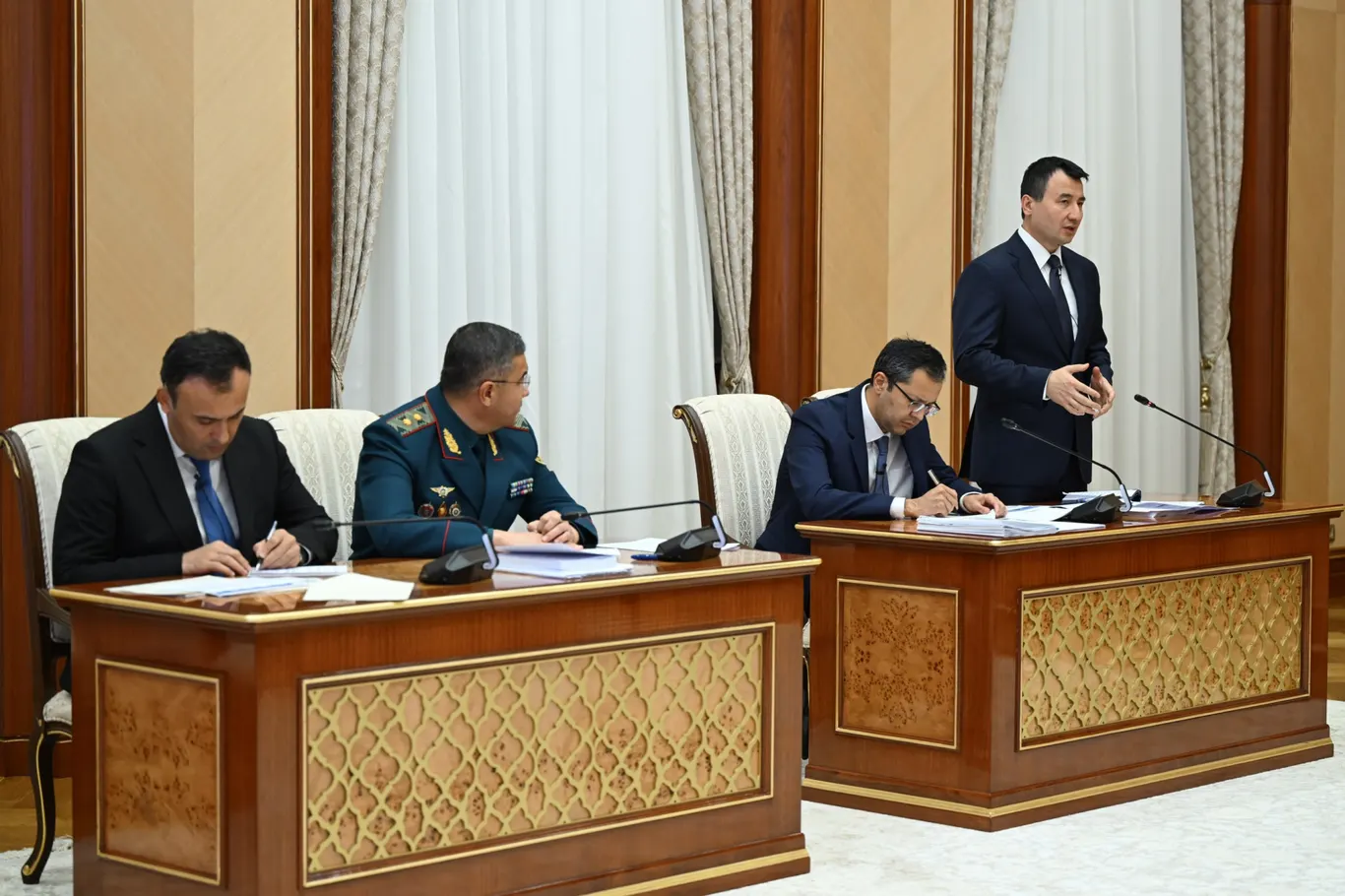
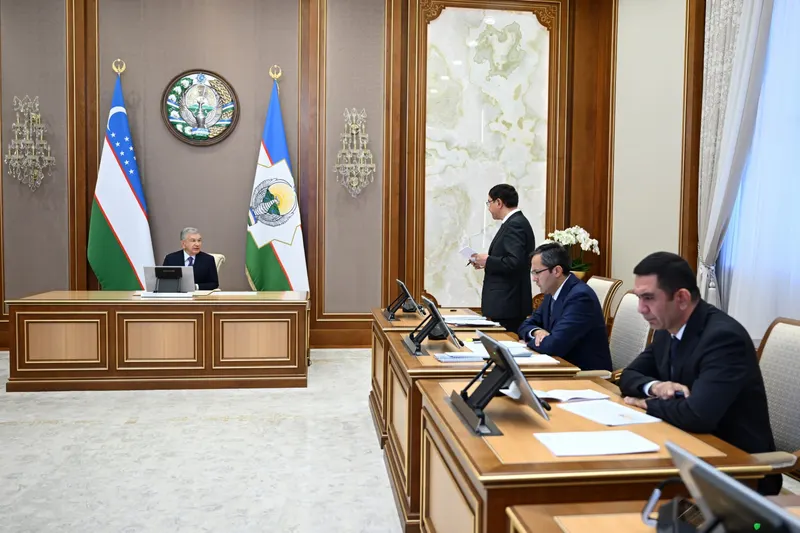
President Shavkat Mirziyoyev was briefed on a presentation on the development of tourism in the Bukhara region, the preservation of historical monuments, and the implementation of major infrastructure projects. The presentation also reviewed proposals to establish the Jadids' Heritage State Museum and the Bukhara State Art Museum.
The presentation discussed the master plan for developing the historical center of Bukhara, the restoration and effective use of architectural monuments, as well as the creation of modern cultural and tourism infrastructure.
In particular, proposals were presented on carrying out restoration work at the Ark Museum-Reserve, organizing museum exhibitions based on modern requirements, restoring the Qo'sh Madrasa architectural ensemble, reconstructing the Bukhara Musical Drama Theater, and landscaping the Somoniylar Garden.
Information was also provided on plans to establish the Jadids' Heritage State Museum and the Bukhara State Art Museum, and to create modern exhibition spaces in them that are harmonious with the historical environment.
It is envisaged to regulate trade and service facilities in the historical center of Bukhara on the basis of a unified architectural style, create a comfortable environment for pedestrians, and carry out all work in compliance with UNESCO requirements.
The presentation also reviewed the concept for holding the second Bukhara International Biennale in 2027. According to it, a 2.3-kilometer cultural walking route is planned to be organized, connecting historical monuments, exhibition and public spaces from the Somoniylar Garden through the Ark Citadel and the Poi Kalon complex to the Labi Hovuz ensemble.
Furthermore, information was provided on projects being implemented in cooperation with organizations from the USA and South Korea on digitizing cultural heritage sites, creating their three-dimensional models, protecting archaeological artifacts, and improving the qualifications of specialists in the field.