Tourism infrastructure will be expanded: 3.1 trillion soums will be allocated to the sector until 2030
<p>To implement new tourism projects, it is planned to put 5,000 hectares of land up for auction sales.</p>
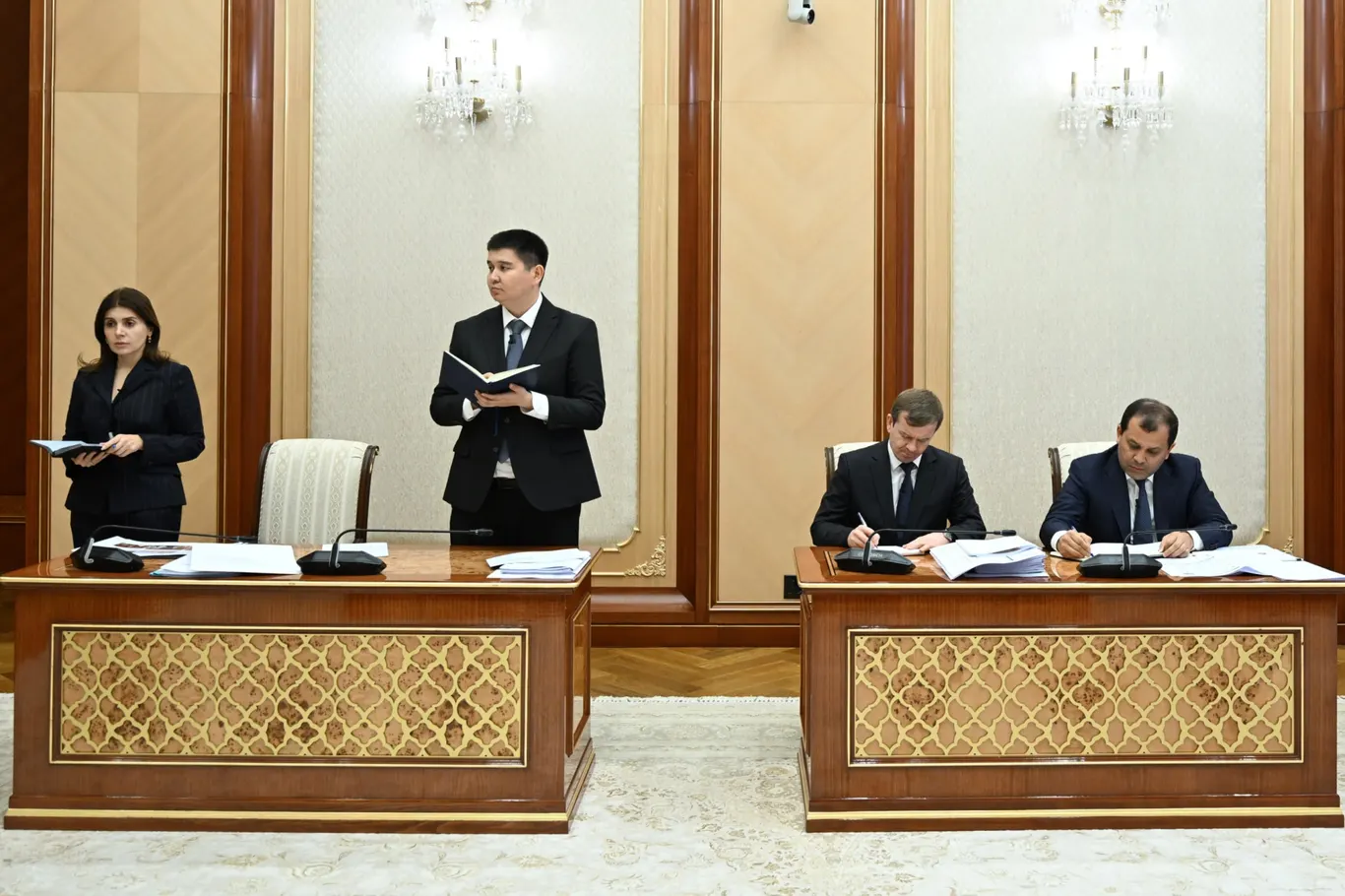
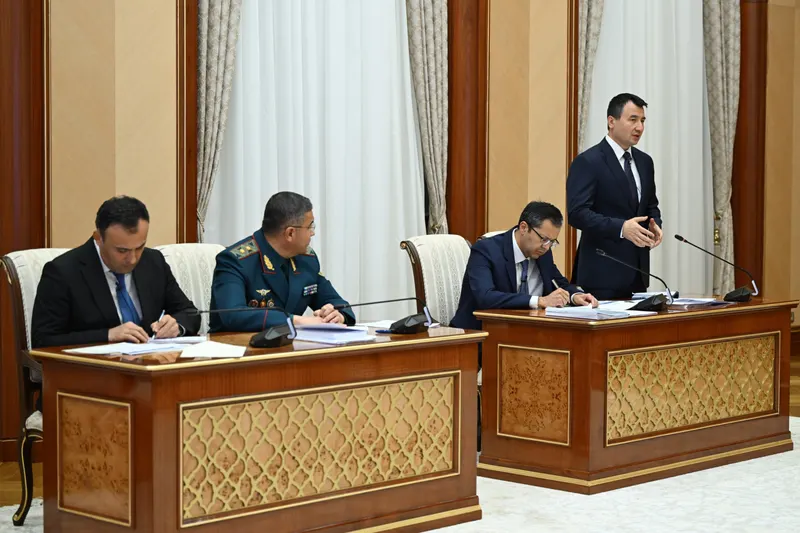
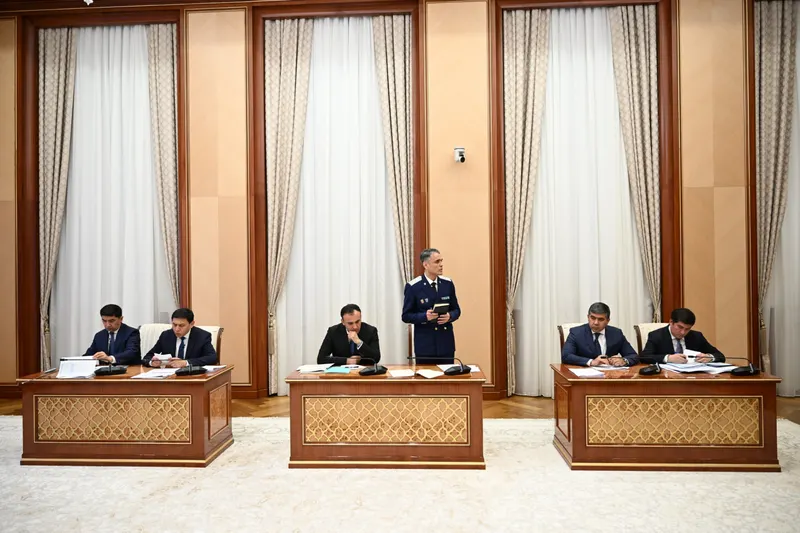
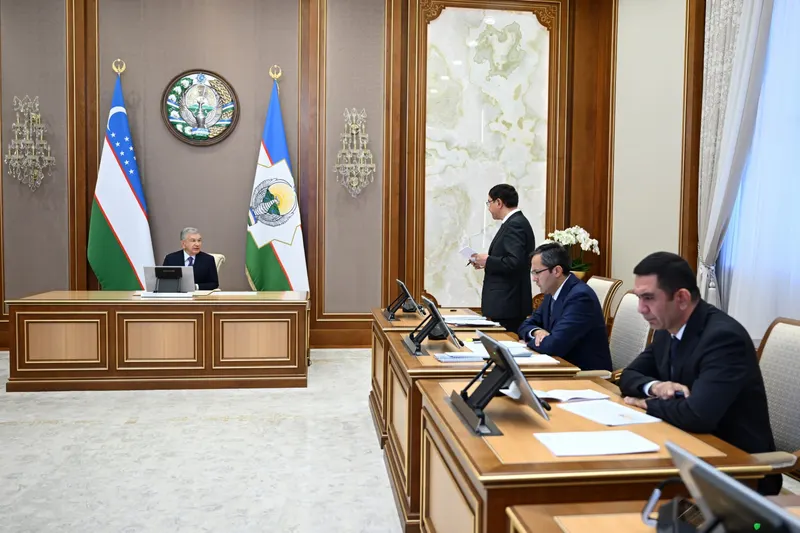
President Shavkat Mirziyoyev reviewed a presentation on the work being carried out in the tourism sector and future priority tasks. It discussed issues of increasing tourism services exports, developing new tourist destinations, and supporting entrepreneurs.
It was reported that in January–October 2026, 11.6 million foreign tourists visited Uzbekistan. This is 20 percent more compared to the corresponding period of last year. During this period, tourism services exports increased 1.5 times, reaching 6.1 billion dollars. The average expenses of tourists in our country also increased by 26 percent.
The goal is set to bring the number of foreign tourists to 20 million per year and tourism services exports to 10 billion dollars by 2030. Additionally, it is planned to increase the number of people employed in the sector to 2 million and the share of tourism in the gross domestic product to 7 percent.
The presentation also reviewed the problems identified during meetings with entrepreneurs. Officials studied the proposals and appeals of more than 2,000 entrepreneurs operating in the tourism sector.
They raised issues including the shortage of electricity capacity in tourist areas, the high amount of prepayments for electricity and gas, limited opportunities to use currency exchange services in hotels, and problems related to transporting tourists in mountainous areas.
Entrepreneurs put forward proposals on encouraging the use of alternative energy sources, providing guarantees for obtaining loans, making payments for land plots in installments, and introducing additional benefits for the hotel business. The President instructed the responsible officials to develop specific solutions to these issues.
Attention was also focused on expanding the geography of tourism and reducing the burden on traditional tourist centers. Plans were reviewed for developing ecological, ethnographic, agrarian, gastronomic, extreme, medical, business, and film tourism directions.
It is also envisaged to include mahallas and villages in tourist routes based on the "One mahalla – one product" principle. Through this, it is intended to introduce tourists to the lifestyle, national customs, crafts, and culinary traditions of the local population, and to create additional sources of income for the population.
To develop the tourism potential of the regions, a total of 34 master plans are designated to be developed in 2026–2027. To date, 13 of them have been prepared.
The presentation also showcased projects to establish an open-air museum and recreation area on the basis of the ancient Koriz water structure in Nurota district, develop flower tourism in Namangan, and improve the landscaping of sanatorium-resort areas.
Furthermore, the concept for developing the To‘dako‘l tourism-recreation zone was reviewed. It is planned to create hotels suited to the natural landscape of the area, recreation and health-improvement areas, ecotourism facilities, and modern tourist infrastructure along the water.
To implement new tourism projects, it is planned to put 5,000 hectares of land up for auction and to direct 3.1 trillion soums toward developing tourism infrastructure by 2030.
It was also proposed to establish a Fund for Supporting Tourism Projects and to allocate 100 billion soums to it in 2027. These funds can be directed toward building new tourist destinations, allocating preferential loans to entrepreneurs, covering part of loan interest, and subsidizing the establishment of modern entertainment services.
The presentation also discussed issues of expanding the geography of international flights, improving transport connections between regions, and bringing the quality of hotel and catering services in line with international standards.
Additionally, it was proposed to hold major international conferences and forums during periods when tourist flows are relatively low. The Tourism Committee has been instructed, together with ministries and agencies, to review the timing of these events.