It was criticized that a number of ministries are giving only superficial responses to more than half of the appeals.
At the meeting, it was stated that the Ministry of Higher Education, Science and Innovations gave responses without providing substantive solutions to 64 percent of the appeals, the Construction and Housing and Communal Services Control Inspection to 61 percent, and the Ministry of Transport to 58 percent.
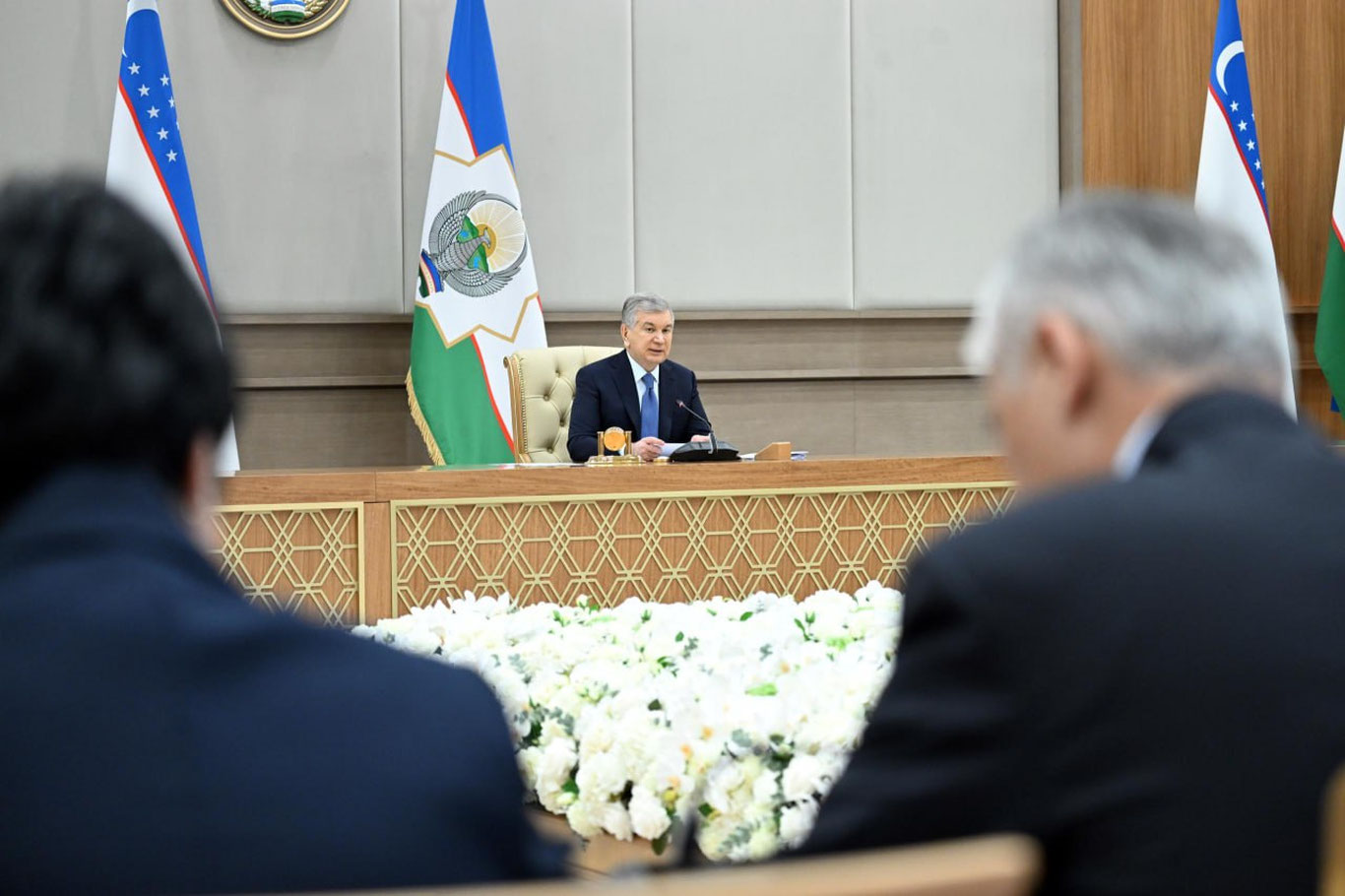
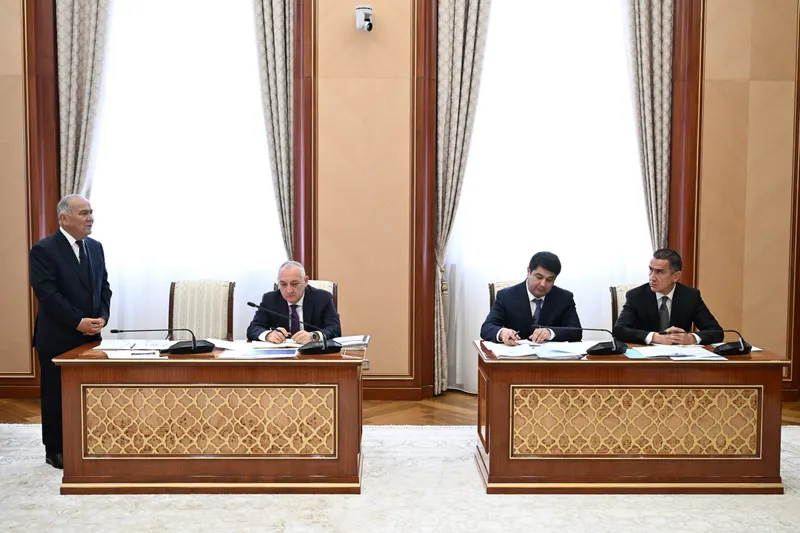
At a videoconference meeting chaired by the President, the effectiveness of handling citizens' appeals was critically analyzed.
The meeting noted that some ministries and agencies are limiting themselves to superficial responses instead of providing practical solutions to appeals. Specifically, it was stated that the Ministry of Higher Education, Science, and Innovation provided responses without substantive solutions to 64% of appeals, the Construction and Housing-Communal Services Control Inspectorate to 61%, and the Ministry of Transport to 58%. It was emphasized that such situations also occur in other ministries.
Furthermore, it was reported that while 90–95% of appeals in the initial years after the establishment of People's Reception Offices were in the form of complaints, this indicator has now decreased to 60–65%. It was noted that citizens are increasingly appealing not with personal problems but with proposals to improve conditions in their neighborhoods.
At the same time, it was also mentioned that some citizens whose problems remain unresolved are appealing to the President, requesting the organization of meetings with leaders.
The Head of State emphasized that from now on, officials should not limit themselves to resolving the issue raised in the appeal but must also eliminate the root causes of the problem.
The meeting established the organization of People's Reception Offices' activities on the basis of a new system. According to it, the reception offices will now operate not only as bodies receiving appeals but also as diagnostic centers that identify and analyze problems in the regions.