Shavkat Mirziyoyev criticized the establishment of sports clubs in schools "in name only."
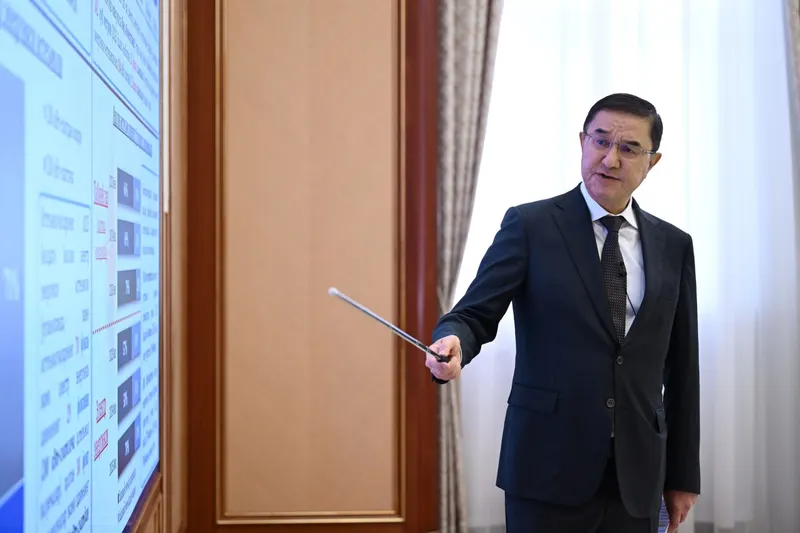
A video conference meeting dedicated to the future priority tasks in the field of physical education and sports has begun under the chairmanship of the President.
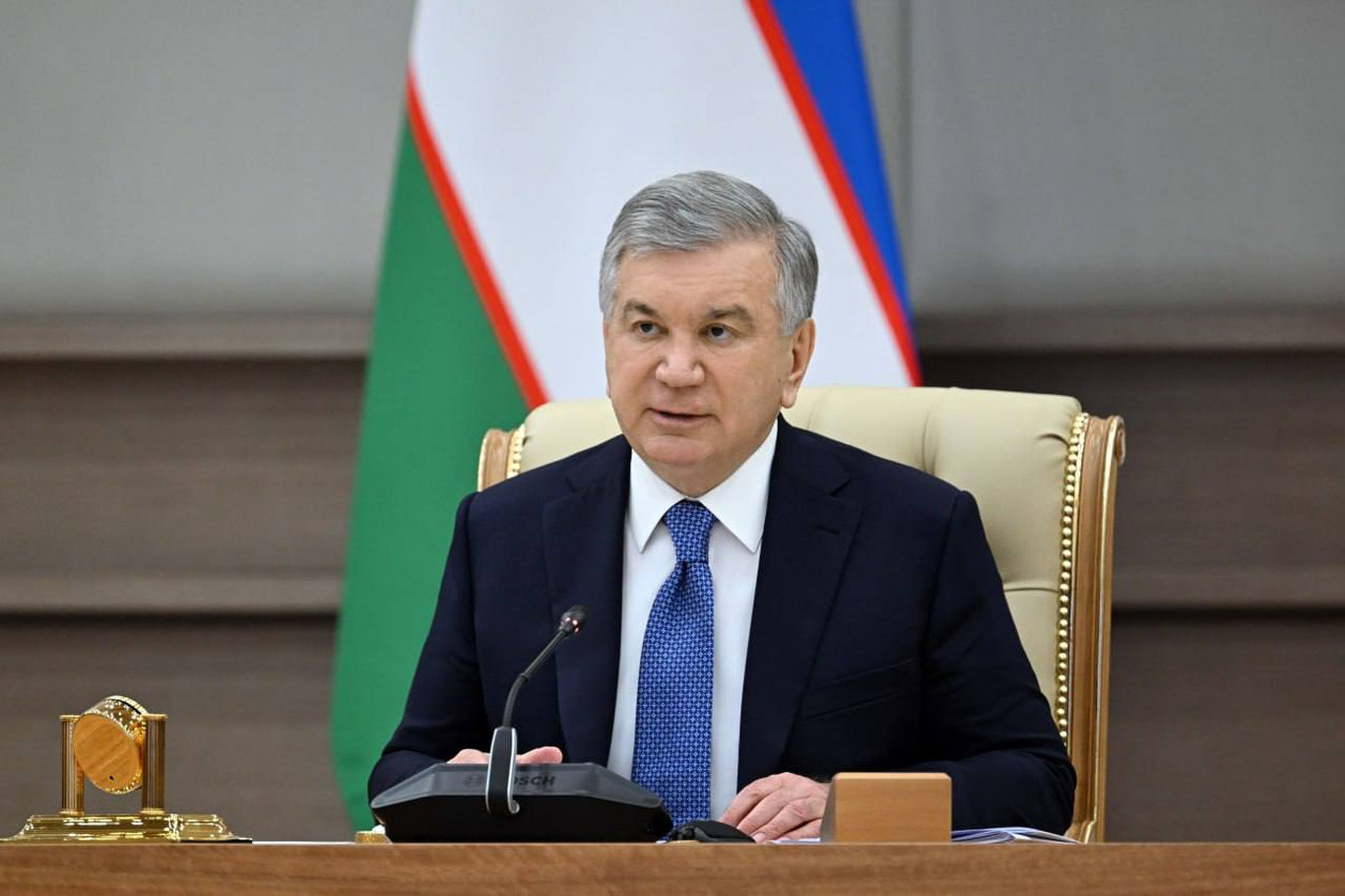
At a videoconference meeting chaired by President Shavkat Mirziyoyev, existing problems in the field of physical education and sports were criticized.
At the beginning of the meeting, the head of state emphasized that sports are not only about competition but also an important factor in promoting a healthy lifestyle, discipline, patriotism, and the country's prestige.
It was noted that over the past nine years, 1,774 modern sports grounds have been built in more than 1,500 neighborhoods. Over 200 large sports facilities and nearly 4,000 private sports clubs have started operating in the regions. The number of young people engaged in professional sports has doubled, the number of athletes in Olympic national teams has doubled, and in the Paralympic direction, it has tripled.
It was emphasized that in the past year alone, athletes won 452 gold, 418 silver, and 501 bronze medals in international competitions, and more than 50 athletes set new world and Asian records.
At the same time, problems in the system were also criticized. In particular, it was pointed out that the organization of sports clubs in schools and the recruitment of coaches to neighborhoods are insufficient.
For example, it was found that in 15 schools in Tashkent city, clubs were organized "in name only," with only 3–4 children attending them. Also, last year, a quarter of school students in Jizzakh, Kashkadarya, and Fergana regions failed to meet the minimum requirements for physical fitness.
At the meeting, the task was set for governors to create conditions for sports clubs in every school and increase coverage.
Shortcomings in the activities of sports schools were also noted. It was criticized that instead of identifying talented youth neighborhood by neighborhood, they work with ready-made athletes.
For instance, it was noted that in Samarkand region, while it is possible to attract 100,000 young people to professional sports using existing opportunities, in practice, this indicator is three times lower. It was also reported that in Navoi and Surkhandarya regions, only half of the existing potential is being utilized.
Furthermore, the lack of a noticeable difference between specialized sports schools and regular sports schools caused concern. As an example, it was cited that the results of 4 specialized sports schools in Termiz city do not even reach the level of a single sports school in Jarqo'rg'on. While the Jarqo'rg'on sports school won 6 medals at Asian and world championships last year, the 4 specialized schools in the region were limited to just 1 medal.
The President emphasized the need for every specialized sports school director and coach to change their working methods and implement a system focused on clear results. It was noted that their monthly salary should be linked to the results of their students.
Officials were instructed to strengthen the system of incentives for sports schools achieving high results and to allocate an additional separate bonus of 500 million soums on top of existing awards.