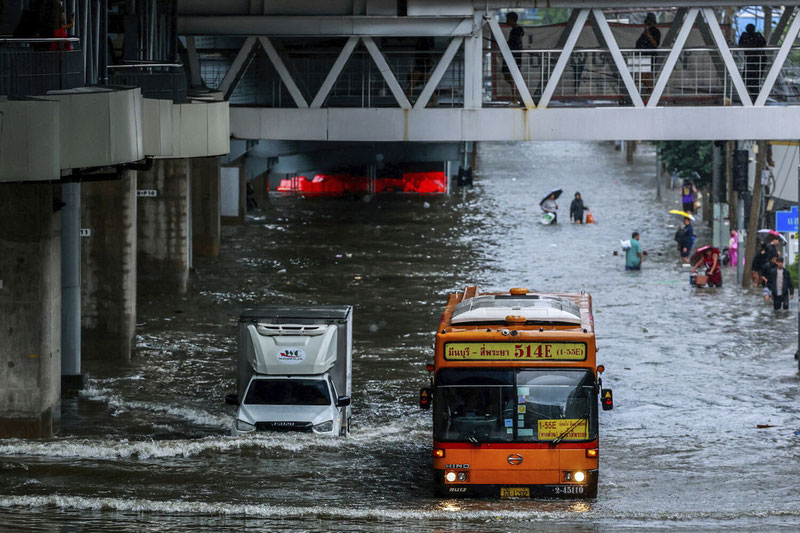
Humanity may be at risk of a new climate catastrophe.
The "El Niño" climate cycle has the potential to seriously threaten food security, water supply, and the global economy.
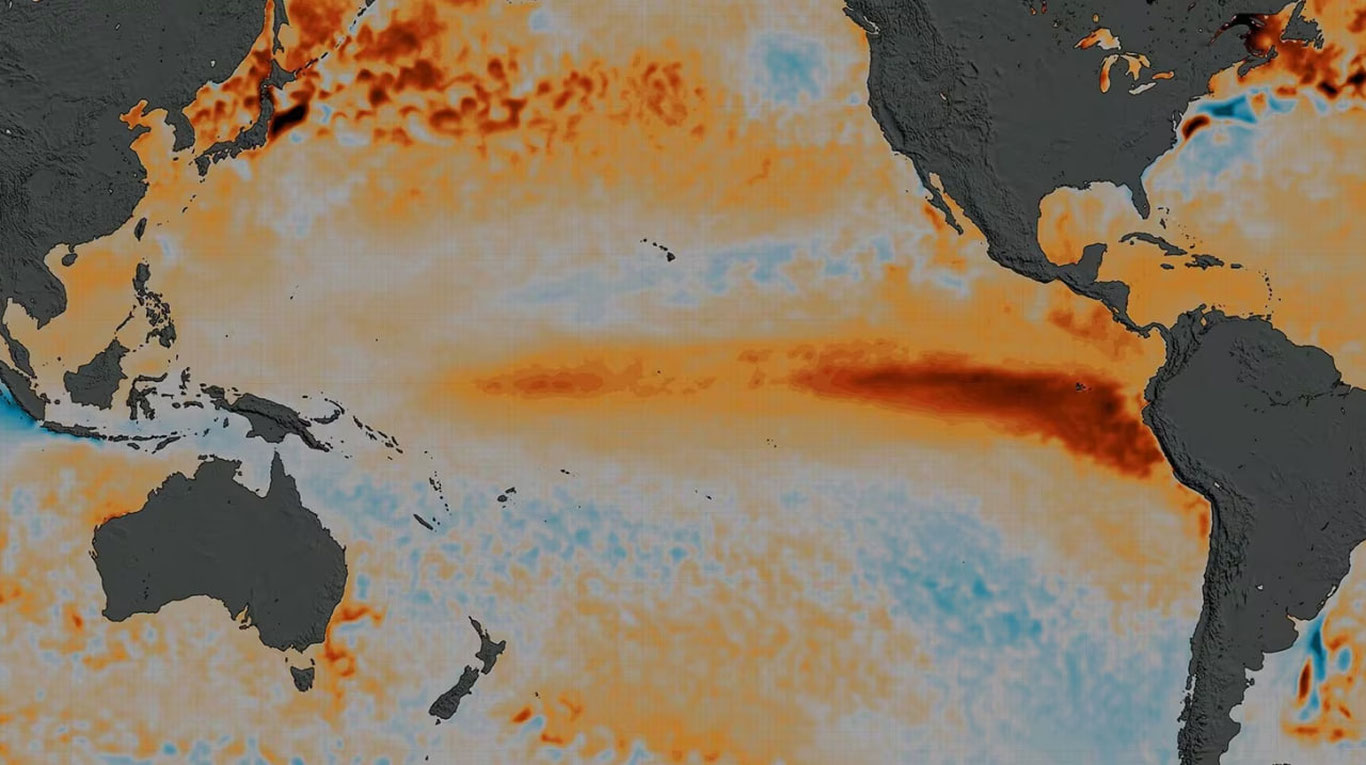
Scientists are warning of the potential recurrence of a powerful "El Niño" climate cycle that caused the deaths of tens of millions of people in the 19th century. The Washington Post reported on this.
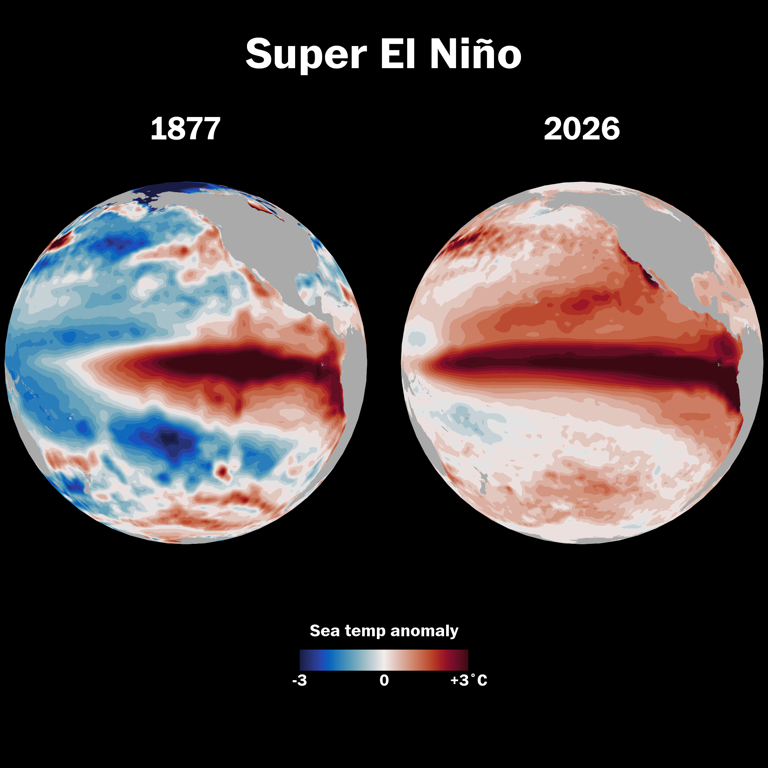
"El Niño" is a climate phenomenon associated with a sharp rise in water temperatures in the tropical eastern and central Pacific Ocean, occurring every few years. According to experts, ocean temperatures this year could be up to 3 degrees above normal, setting new records.
The publication notes that the strongest "El Niño" observed in 1877–1878 caused global famines in India, China, Brazil, and other countries. According to research, more than 50 million people died during that period. This was equivalent to approximately 3–4% of the world's population at the time. Today, that figure would correspond to 250 million people.
Scientists do not rule out that a similar climate crisis could recur now. Dipti Singh, an associate professor at Washington State University, emphasized that there is a possibility of multi-year droughts occurring simultaneously in several regions, as happened in the 1870s.
According to her, since the atmosphere and oceans are now much warmer than in the 19th century, extreme weather events could be even more severe.
Experts warn that a "super El Niño" could pose serious threats to food security, water supply, and the global economy. In their view, it could also negatively impact global socio-economic systems.