The UAE intends to launch an oil pipeline bypassing Hormuz.
Through this, the capacity for oil exports from the Port of Fujairah will double, reducing dependence on the Strait of Hormuz.
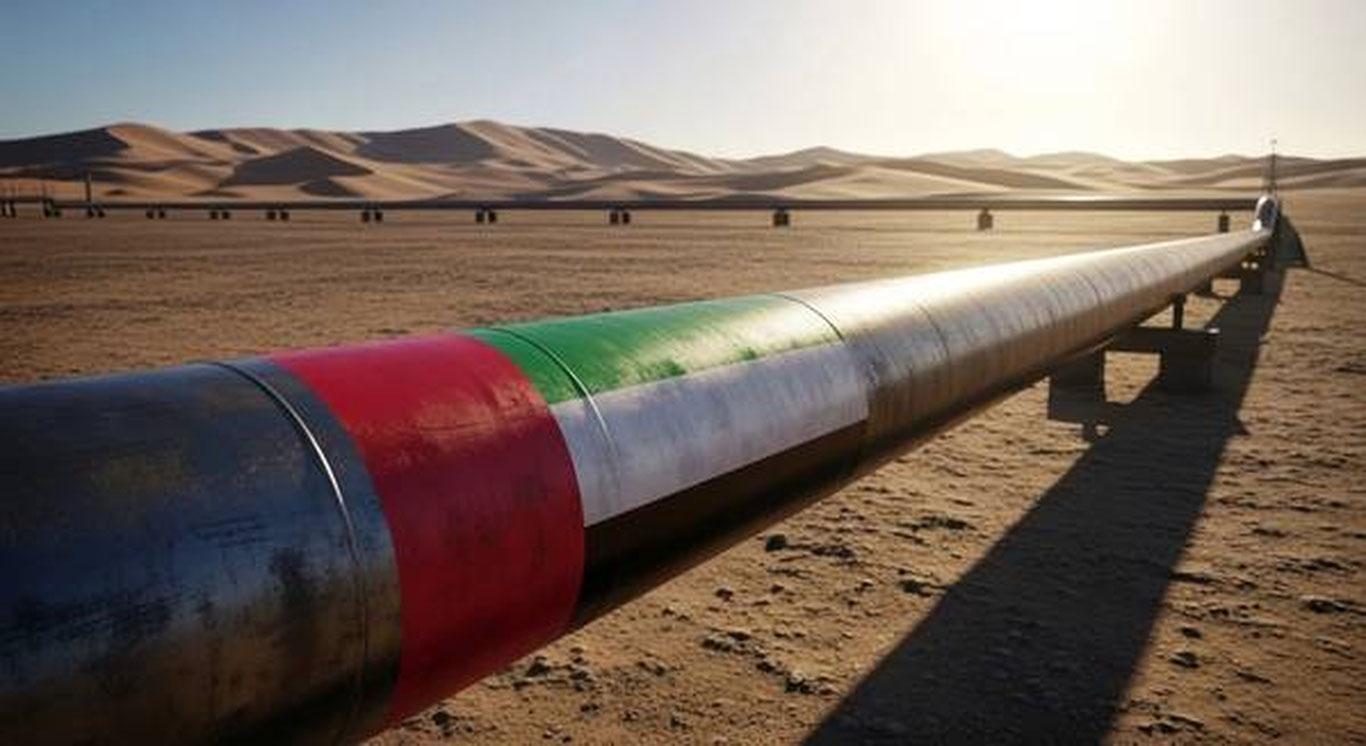
The United Arab Emirates has decided to accelerate the construction of a new oil pipeline in order to reduce dependence on the Strait of Hormuz. Reuters reported this.
According to the Abu Dhabi Media Office, Abu Dhabi Crown Prince Sheikh Khaled bin Mohamed bin Zayed has instructed the state oil company ADNOC to expedite the West-East Pipeline project. Construction of the pipeline is currently underway, and it is planned to be operational by 2027.
Through the new project, the capacity for oil exports from the port of Fujairah will be doubled. This will expand the UAE's ability to bring oil to the global market via the Gulf of Oman, without passing through the Strait of Hormuz.
Currently, the country's Habshan–Fujairah (ADCOP) oil pipeline has a capacity to transport up to 1.8 million barrels of oil per day. This pipeline is gaining strategic importance for the UAE amid the tense situation in the Persian Gulf.
Among the Persian Gulf states, only the UAE and Saudi Arabia have export routes that bypass the Strait of Hormuz.
Following US and Israeli strikes against Iran in late February, Tehran effectively restricted traffic in the Strait of Hormuz. Typically, about one-fifth of the world's oil is transported through this passage.
In recent months, attacks on tankers and strikes on oil infrastructure in the region have also been recorded. Against this backdrop, the UAE is attempting to strengthen alternative routes to ensure export security.