In Uzbekistan, penalties for more than 10 drug-related crimes will be tightened.
Liability is being established separately for organizing a drug laboratory, leading the illicit trafficking of narcotics, and organizing a drug den.

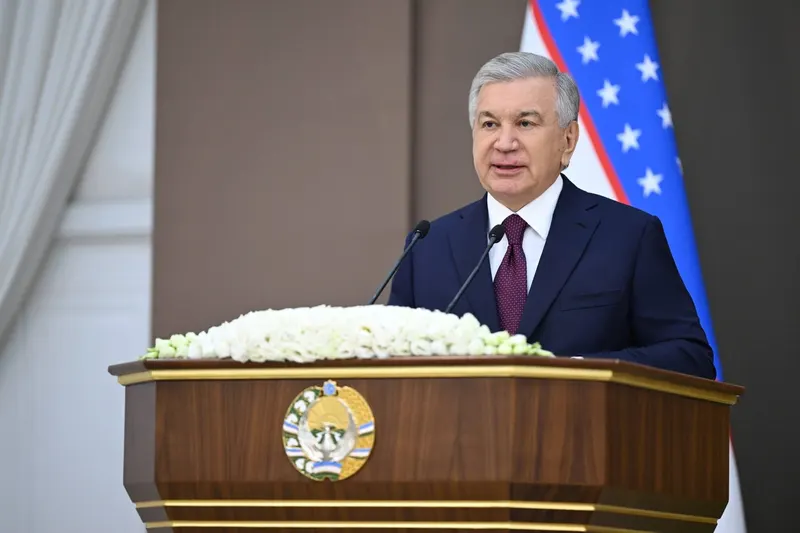
President Shavkat Mirziyoyev reviewed a presentation on improving legislation aimed at protecting public health and the nation's gene pool from drug addiction, as well as ensuring the safety of road users, via this link.
It was reported that the presentation provided information on the essence and content of a law aimed at strengthening liability for the illicit trafficking of narcotic drugs, psychotropic substances, their analogues, and potent substances. This law has been adopted by the parliament.
The law introduces a new chapter titled "Crimes against public health and the gene pool" into the Criminal Code. This is intended to strengthen measures of liability for dangerous acts that threaten the health of the population, especially young people.
Furthermore, taking into account modern methods and forms of drug crimes, separate liability is being established for acts such as organizing illegal drug laboratories, leading the illicit trafficking of narcotics, and setting up drug dens. Additionally, penalties for more than 10 dangerous acts will be aggravated.
The head of state emphasized that this law will elevate the fight against drug crime to a new level and serve as an important legal basis for protecting public health and the nation's gene pool, and he signed it.
During the presentation, information was also provided on the draft law "On Narcotic Drugs and Potent Substances," developed by an interagency working group.
It was noted that in recent years, the drug situation has changed significantly, with synthetic drugs replacing traditional narcotics. The methods of their distribution have also changed, primarily carried out contactlessly via the internet.
Furthermore, the emergence of clandestine laboratories within the country necessitates a fundamental revision of legal and organizational mechanisms in this area.
The new draft law defines 7 main directions of state policy. These include measures such as forming "anti-drug immunity" among the population, especially women and youth, eliminating drug crimes committed via the internet, and improving the system of early prevention, diagnosis, treatment, and medical-social rehabilitation of drug addiction.
The draft also envisages clearly defining the tasks and powers of 14 state bodies directly involved in combating drug trafficking, drug addiction, and drug crimes. State control over substances in legal circulation will be strengthened, and processes from import to sale will be placed under continuous electronic monitoring.
Proposals for improving the strict regulation of the circulation of precursors, narcotic drugs, and psychotropic substances were also considered. In this regard, the need to introduce an electronic monitoring system and strengthen interagency cooperation against illegal activities was noted.