The World Bank is allocating $150 million for the development of rural infrastructure in Uzbekistan.
The total budget for the second phase of the "Rural Infrastructure Development" program amounts to $340 million. The remaining funds will be allocated by the Asian Infrastructure Investment Bank and Uzbekistan.
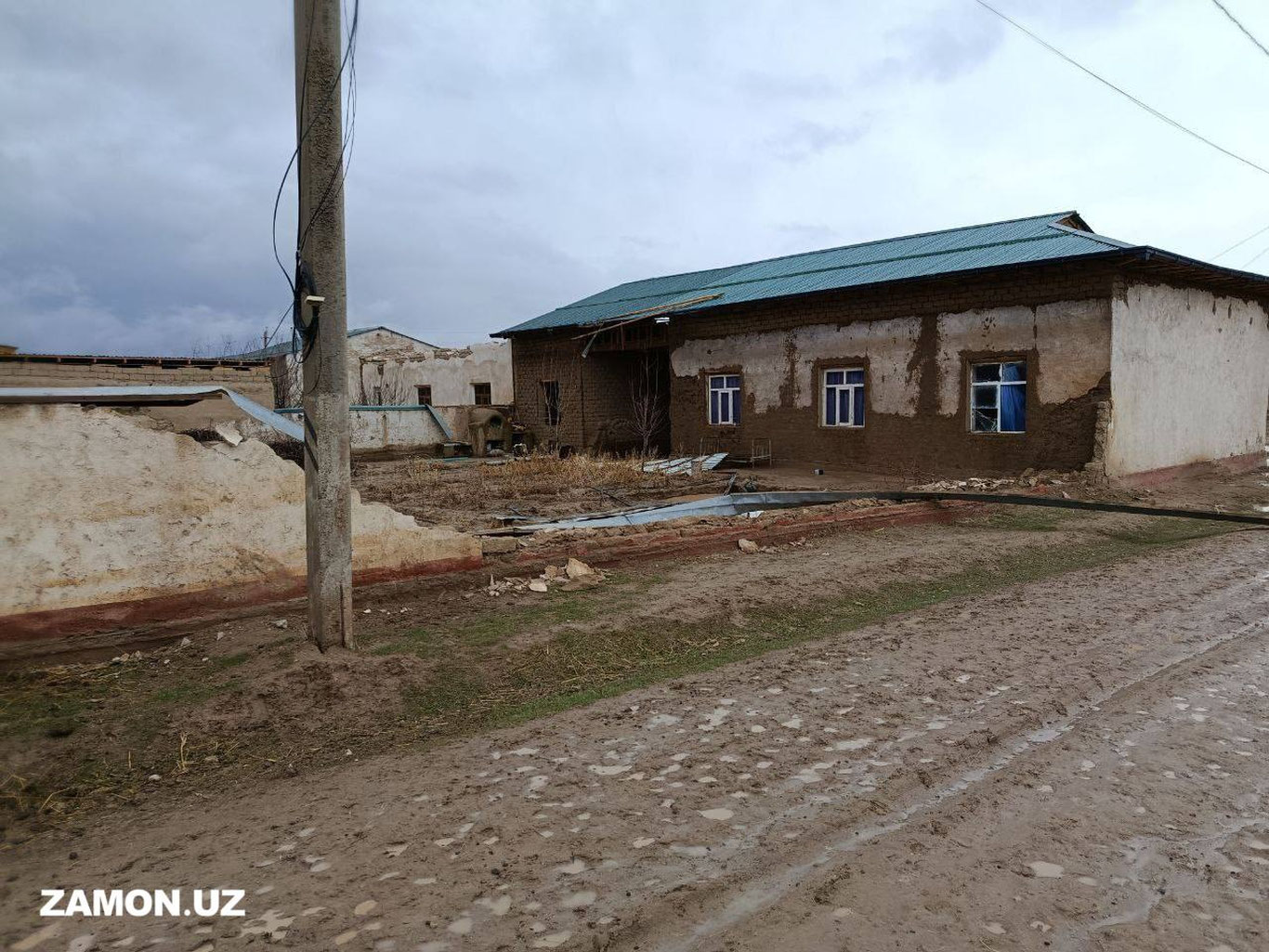
The World Bank has approved a concessional loan of $150 million to finance the second phase of the Rural Infrastructure Development Program in Uzbekistan. The program aims to improve the quality of infrastructure and public services in rural areas, as well as expand economic opportunities for the population.
According to the World Bank, the program will be implemented in 296 neighborhoods across the Andijan, Fergana, Namangan, Jizzakh, Syrdarya, and Tashkent regions.
The total cost of the project is $340 million, of which $150 million will be financed by the World Bank, $120 million by the Asian Infrastructure Investment Bank, and $70 million by the Government of Uzbekistan.
It is noted that nearly half of Uzbekistan's population lives in rural areas. However, in many regions, access to quality roads, drinking water, electricity, education, and medical services is insufficient. These factors also impact entrepreneurship and the creation of new jobs.
The first phase of the Rural Infrastructure Development Program began in 2019, and by June 2026, over 900 projects had been implemented in 306 neighborhoods across the Andijan, Fergana, Namangan, Jizzakh, and Syrdarya regions.
Within their framework, over 340 roads, 220 power supply systems, 160 water supply systems, nearly 100 schools, 40 preschool educational institutions, and 10 bridges were built or modernized. As a result, nearly 1 million rural residents, including women, benefited.
One of the distinctive features of the program is that local residents directly participate in the selection of projects and the monitoring of their implementation. It is stipulated that at least half of the membership of neighborhood development units must consist of women.
As noted by Naji Benhassine, Director of the World Bank's Central Asia Department, the new phase will place special emphasis on supporting entrepreneurship and creating new jobs, alongside infrastructure development.
As a result of the program, which will continue until 2031, the living conditions of nearly 1.2 million rural residents, including 600,000 women and 300,000 young people, are expected to improve.
Additionally, special centers will be established in 15 pilot neighborhoods to support entrepreneurs engaged in agricultural product processing and small-scale manufacturing. These initiatives are expected to create around 1,500 new jobs.
According to the World Bank, this program, together with other projects aimed at developing agriculture and micro, small, and medium-sized businesses, will contribute to the creation of nearly 25,000 new, relatively higher-paying jobs in the neighborhoods within the project areas.