Now environmental expertise works differently: what did Cabinet of Ministers Resolution No. 234 of May 11, 2026 change?
The new procedure envisages assessing projects based on their environmental risk, reducing bureaucracy, and increasing the transparency of services.
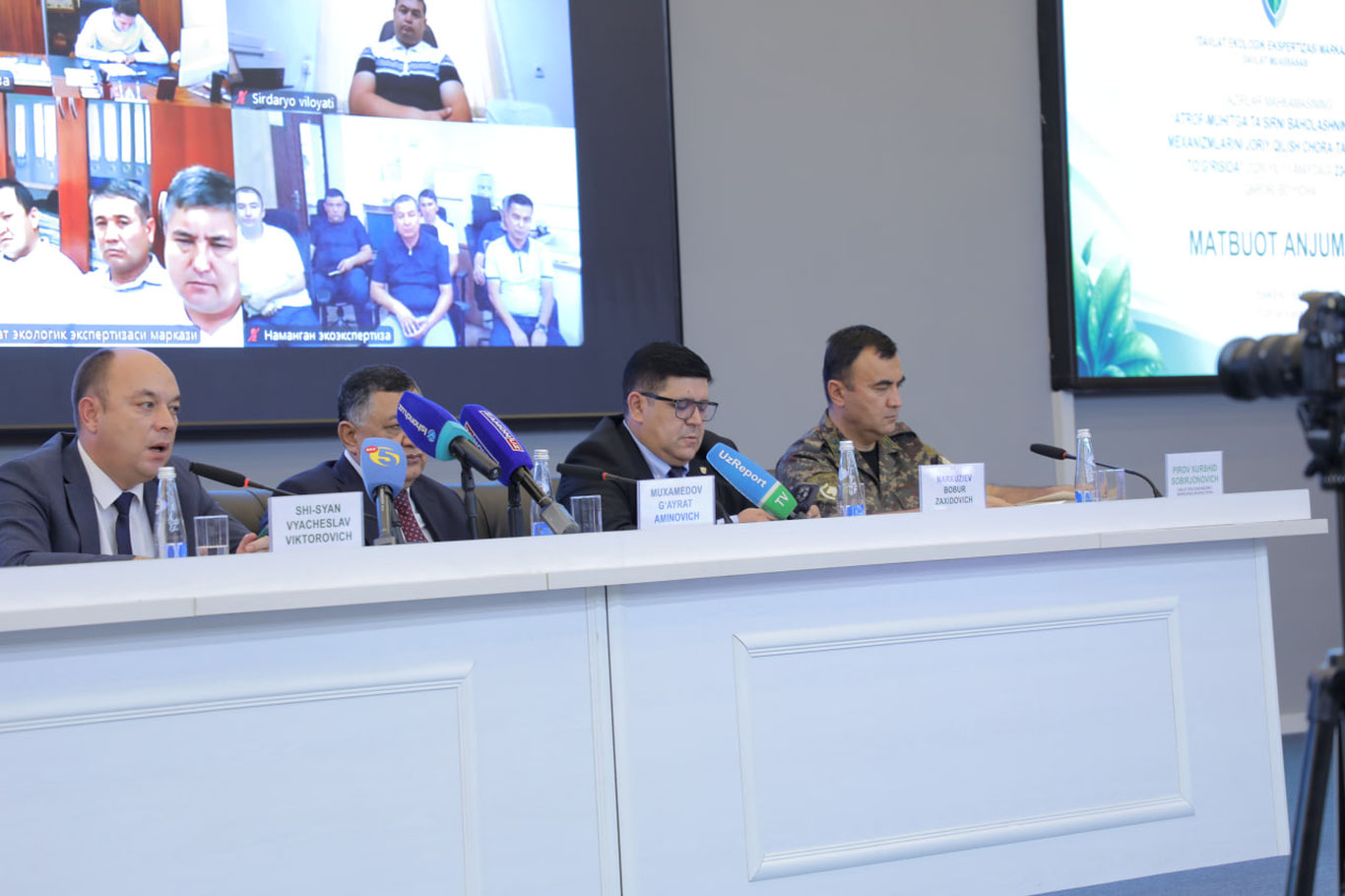
On August 5, 2026, a press conference was held by the State Ecological Expertise Center under the National Committee for Ecology and Climate Change, dedicated to the content and practical significance of Resolution No. 234 of the Cabinet of Ministers dated May 11, 2026.
So, what has changed with the new resolution?
Based on this resolution, the environmental impact assessment system has been improved in line with international standards and approaches. Now:
- projects are assessed by being categorized according to their level of environmental risk;
- screening and scoping stages have been introduced;
- a requirement has been established to assess the carbon footprint and greenhouse gas emissions;
- public participation has been expanded;
- the responsibility of project developers has been strengthened.
Additionally, several conveniences are being created for entrepreneurs:
- submitting electronic applications for ecological expertise services;
- assessment based on proportionate requirements corresponding to the project category;
- making processes more transparent and understandable;
- the opportunity to select reliable project developers through an open rating system;
- preventing unnecessary time and costs.
The main goal of the new system is not to create additional restrictions for entrepreneurs, but rather to assess environmental risks in advance, simplify bureaucratic procedures, increase the transparency of public services, and protect the interests of citizens.
Resolution No. 234 of the Cabinet of Ministers dated May 11, 2026, serves to bring the system of ecological expertise and environmental impact assessment in Uzbekistan to a modern stage. This reform is aimed at strengthening the balance between economic development and environmental sustainability.
Now, ecological expertise is not just a permitting mechanism — it is becoming a modern system for the proactive management of environmental risks.