In Israel, Netanyahu's rival has been given the opportunity to form a government: negotiations for a coalition will begin
This decision further complicated the chances of staying in power for the incumbent Prime Minister Benjamin Netanyahu, who has lost the majority in parliament.
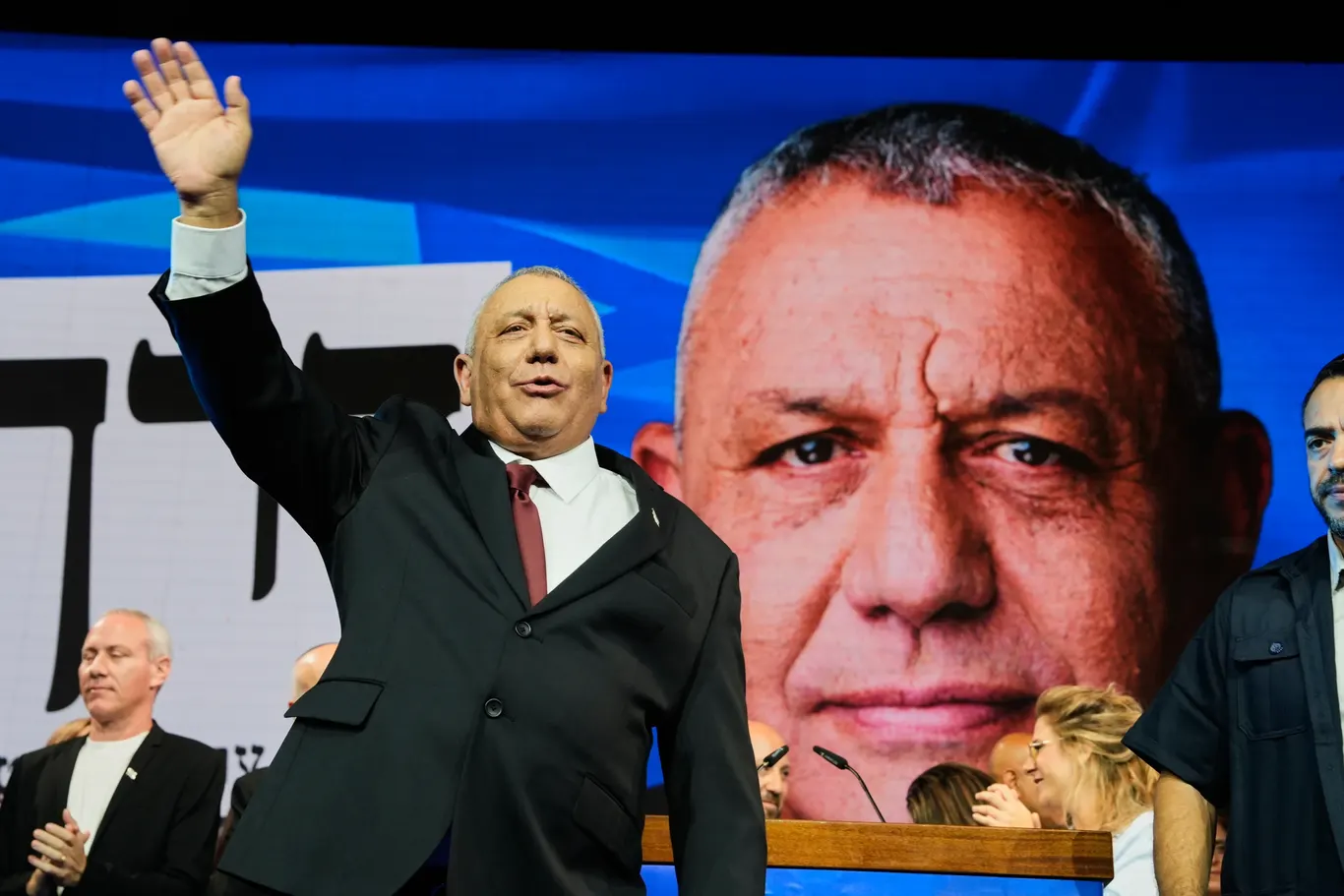
Israeli President Isaac Herzog has decided to grant one of the opposition leaders, Gadi Eisenkot, the mandate to form a new government. He will be given up to six weeks to form a coalition. This was reported by the Associated Press reported.
Eisenkot's candidacy was selected as a result of consultations with political parties following the parliamentary elections held on October 27. This decision was another political blow for incumbent Prime Minister Benjamin Netanyahu. As a result of the elections, his coalition lost its majority in parliament.
In the elections, Netanyahu's political bloc won 53 seats, the opposition led by Eisenkot won 48, and Arab parties won a total of 19 seats. To form a government, the support of at least 61 deputies in the 120-seat Knesset is required.
Eisenkot can choose one of three main paths to form a government: sharing power with Netanyahu, relying on the support of Arab parties, or reaching an agreement with ultra-conservative religious parties.
However, each of these options is associated with political disagreements. In particular, Eisenkot and his allies support abolishing exemptions from military service for ultra-conservative Jews. The religious parties, meanwhile, demand that these privileges be preserved.
Relying on the support of Arab parties is also not uniformly supported within the opposition. Some of Eisenkot's allies oppose forming a coalition with them. Nevertheless, the two Arab parties in parliament won a total of 19 seats and have expressed readiness to support Eisenkot.
Meanwhile, Netanyahu is trying to prevent Eisenkot from forming a government. On Saturday, he called on the opposition leader to form a "national unity government." Netanyahu also describes forming an alliance with Arab parties as betrayal.
Eisenkot will initially be given 28 days to form a government. The president may extend this period by another two weeks. If he fails, the opportunity to form a government may be given to Netanyahu. If he also fails to form a coalition, early parliamentary elections will be held in Israel next spring.
The newly elected Knesset deputies will be sworn in on Tuesday. Until a new government is formed, Netanyahu and his office will function as a caretaker government with limited powers.