Who can replace Khamenei in Iran?
3 individuals are being considered as potential heirs.
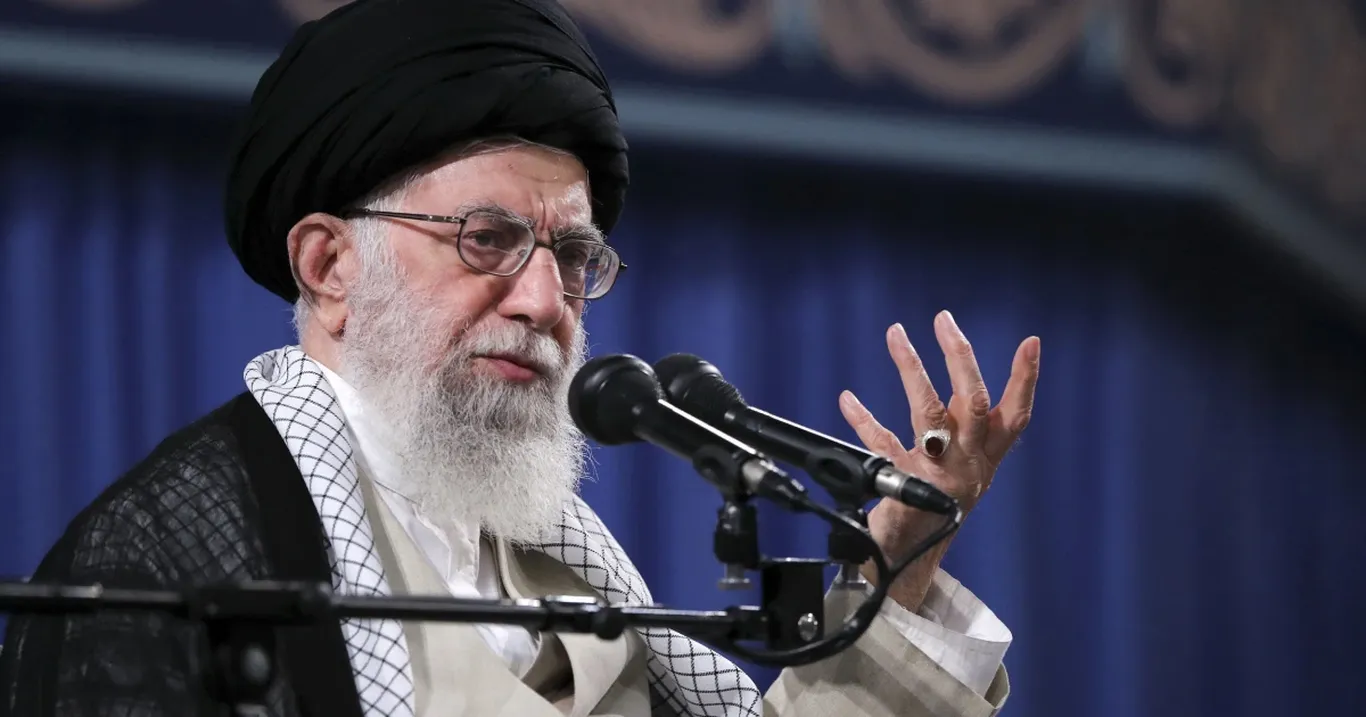
The question of who will take power in Iran after the death of Supreme Leader Ali Khamenei is being actively discussed in the international press and political circles. According to The New York Times, Khamenei has tried to plan the system of government after him in advance and considered possible scenarios. According to sources, one of his close allies, an experienced politician Ali Larijani, may play an important role in the country's governance during the transition period.
According to the Iranian Constitution, in the event of a vacancy in the post of Supreme Leader, the new leader is elected by the "Assembly of Experts" consisting of 88 religious scholars. This body takes into account the candidate's religious status, political experience and loyalty to the principles of the Islamic Republic. Therefore, the final decision will be in the hands of this council.
Although no official successor has been announced yet, a number of individuals are being mentioned as potential candidates. Among them are the head of the judiciary, Gholam Hossein Mohseni-Ejei, Ali Asghar Hejazi, who worked in the Supreme Leader's office for many years, and Hassan Khomeini, the grandson of the founder of the Islamic Republic, Ruhollah Khomeini. According to analysts, each of these candidates has certain advantages in terms of religious authority and experience in state governance.
The name of Khamenei's son, Mojtaba Khamenei, is also being mentioned by some political groups. However, observers note that the issue of the hereditary transfer of power in Iran may cause disputes within society and the political elite. Earlier, some sources said that Khamenei did not want the position to be hereditary.
According to experts, the issue of succession directly affects not only the internal political balance, but also the geopolitical situation in the region. Therefore, who becomes the Supreme Leader in Iran is of decisive importance for the country's domestic policy, relations with the West, and regional strategy.