The conflict in the Middle East has increased demand for dollars.
Against the backdrop of military conflict in the Middle East, U.S. and Israeli attacks on Iran have directed investors toward the U.S. dollar as a safe asset.
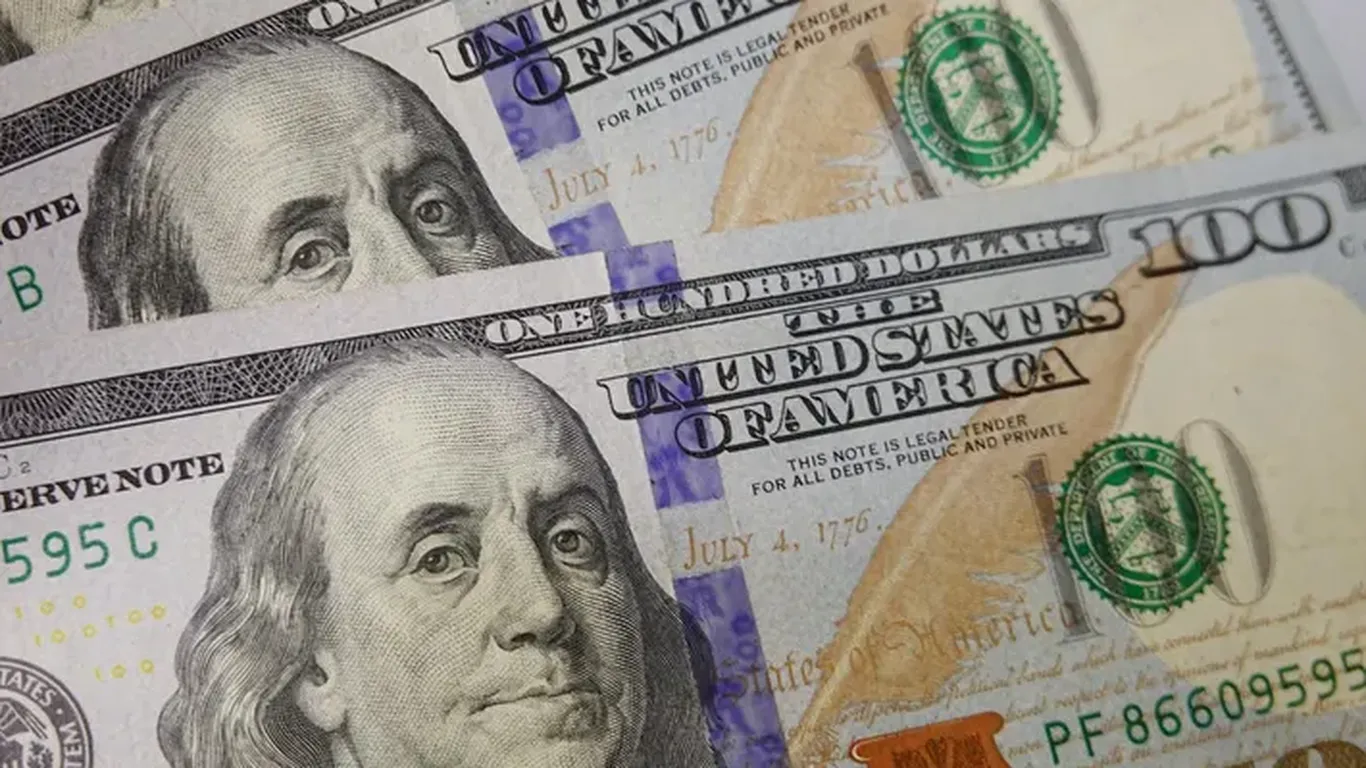
According to a Reuters report, the dollar index rose by approximately 2 percent against other world currencies within two days.
Amid escalating geopolitical risks, financial market participants are turning to the dollar as a liquid and stable asset. Matt King, founder of the analytical company Satori Insights, emphasized that the sharp rise in the dollar's exchange rate is linked to a redistribution of capital flows.
Investors are closing profitable speculative positions built up over recent months and moving money into liquid assets. As a result, declines are being observed in some global markets: for example, South Korea's KOSPI index fell by nearly 20 percent in two days.
Before the war risk increased, the dollar was under pressure. At the beginning of 2026, the dollar index fell by about 2 percent in January, hitting a four-year low. Throughout 2025, the US currency had depreciated by over 10 percent. According to investor Jeffrey Gundlach, this trend could be long-term. Therefore, it is recommended to increase the share of real assets and equities in emerging markets.
The dollar's dominance in the global currency system weakened after the euro's introduction in 1999 and China's accession to the World Trade Organization in 2001, with its share in reserves falling from 70 percent to 57 percent. Nevertheless, the dollar remains the primary instrument in international trade and financing. According to Bank for International Settlements data, the dollar is used in 89 percent of all currency market transactions, while the euro's share is only 29 percent.
The dollar is also the primary settlement currency in the oil market, with nearly 80 percent of global oil trade conducted in dollars.
University of California professor Barry Eichengreen says that although the dollar still maintains its position in international trade and currency reserves, the pace of its role's diminishment could accelerate. According to Federal Reserve data, the purchasing power of the US currency has decreased by 52 percent from 1996 to 2025, and by 83 percent since 1976.
At the beginning of the year, many economists warned about a potential decline in the value of the US dollar. Economist Peter Schiff believes the era of American currency dominance in the global financial system is gradually ending, and central banks may shift to gold as the primary reserve asset. This indicates the potential for aggravating economic problems for the US in the long term.
World Gold Council statistics confirm central banks' steady demand for the metal. Earlier this year, the gold price exceeded $5,500 per ounce for the first time, and silver approached $120 per ounce. This shows increased investor interest in safe-haven assets.
However, against the backdrop of the outbreak of war in Iran, demand for safe-haven assets temporarily decreased: on March 3, the gold price fell by 3 percent and silver by 6 percent.