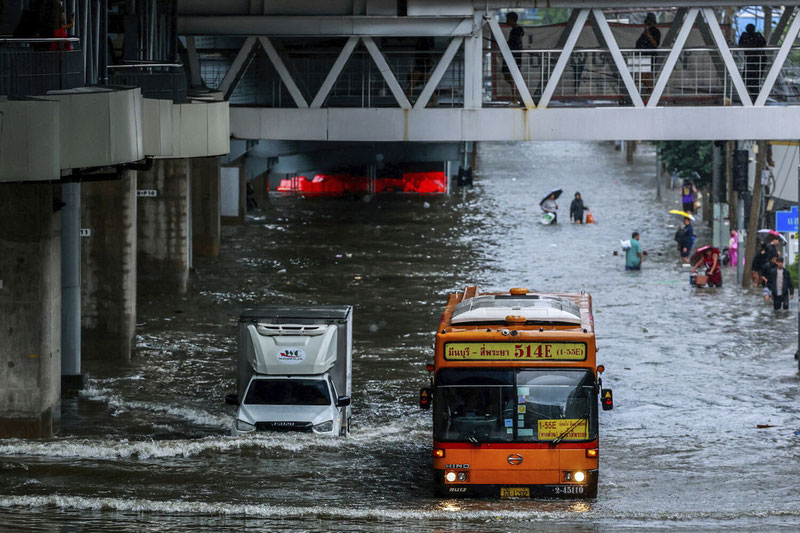
The Philippines declared a state of emergency in the energy sector against the backdrop of the war in Iran.
Against the backdrop of the conflict in the Middle East, gasoline and diesel prices in the country have more than doubled.
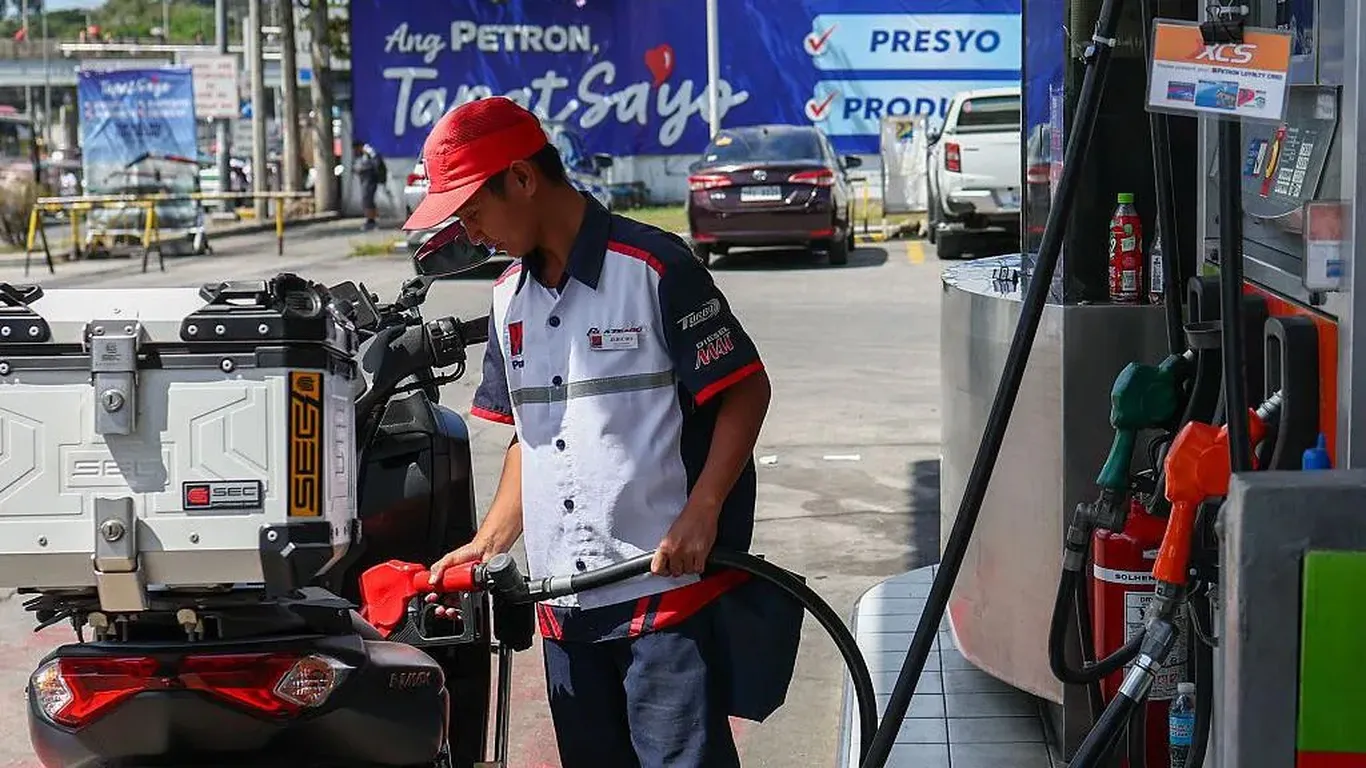
The Philippine government has declared a national energy emergency due to risks to energy supply arising from the conflict involving Iran. The BBC reports on this.
According to the executive order signed by President Ferdinand Marcos Jr., this decision is aimed at ensuring the stability and continuity of the country's energy supply.
Officials stated that instability in global markets and the effective closure of the Strait of Hormuz have led to a sharp increase in energy prices.
The Philippines imports 98% of its oil. Against the backdrop of the ongoing conflict since February 28, gasoline and diesel prices in the country have more than doubled.
In accordance with the adopted decision, the government has been granted the authority to control the distribution of fuel, food, medicine, and other essential products.
It was also stated that the state can strengthen supply by directly purchasing energy resources. This state of emergency will be in effect for one year.
Simultaneously, the government is taking a number of measures to mitigate the energy crisis. These include allocating subsidies to transport drivers, reducing ferry services, and implementing a four-day work week for government employees to save fuel.
According to Energy Secretary Sharon Garin, the country currently has approximately a 45-day fuel reserve. Due to rising liquefied natural gas prices, the Philippines is expected to rely more on its temporary coal-fired power plants.
However, the declaration of the state of emergency has elicited mixed reactions in society. One of the major labor unions, Kilusang Mayo Uno (KMU), criticized the government for not recognizing the crisis in time and described the new measures as "anti-worker."
At the same time, representatives of the transport sector and other groups, dissatisfied with the sharp rise in fuel prices and government measures, are planning to hold a strike in the coming days. They are demanding the abolition of fuel taxes, price reductions, and wage increases.
Conversely, major business representatives supported the emergency measures, emphasizing that the government needs broad powers to stabilize the economy.
According to analysis, a large portion of the oil and gas flow passing through the Strait of Hormuz is directed to Asian countries, and the region is suffering significant damage from disruptions in this route.
Earlier, against the backdrop of tensions in the Strait of Hormuz and difficulties in oil supply, European countries had also set daily purchase limits for drivers buying fuel.