The Presidents of Uzbekistan and Tajikistan held the first meeting of the Supreme Interstate Council.
Important decisions were made at the meeting regarding the development of trade, transportation, energy, water resources, and interregional connections.
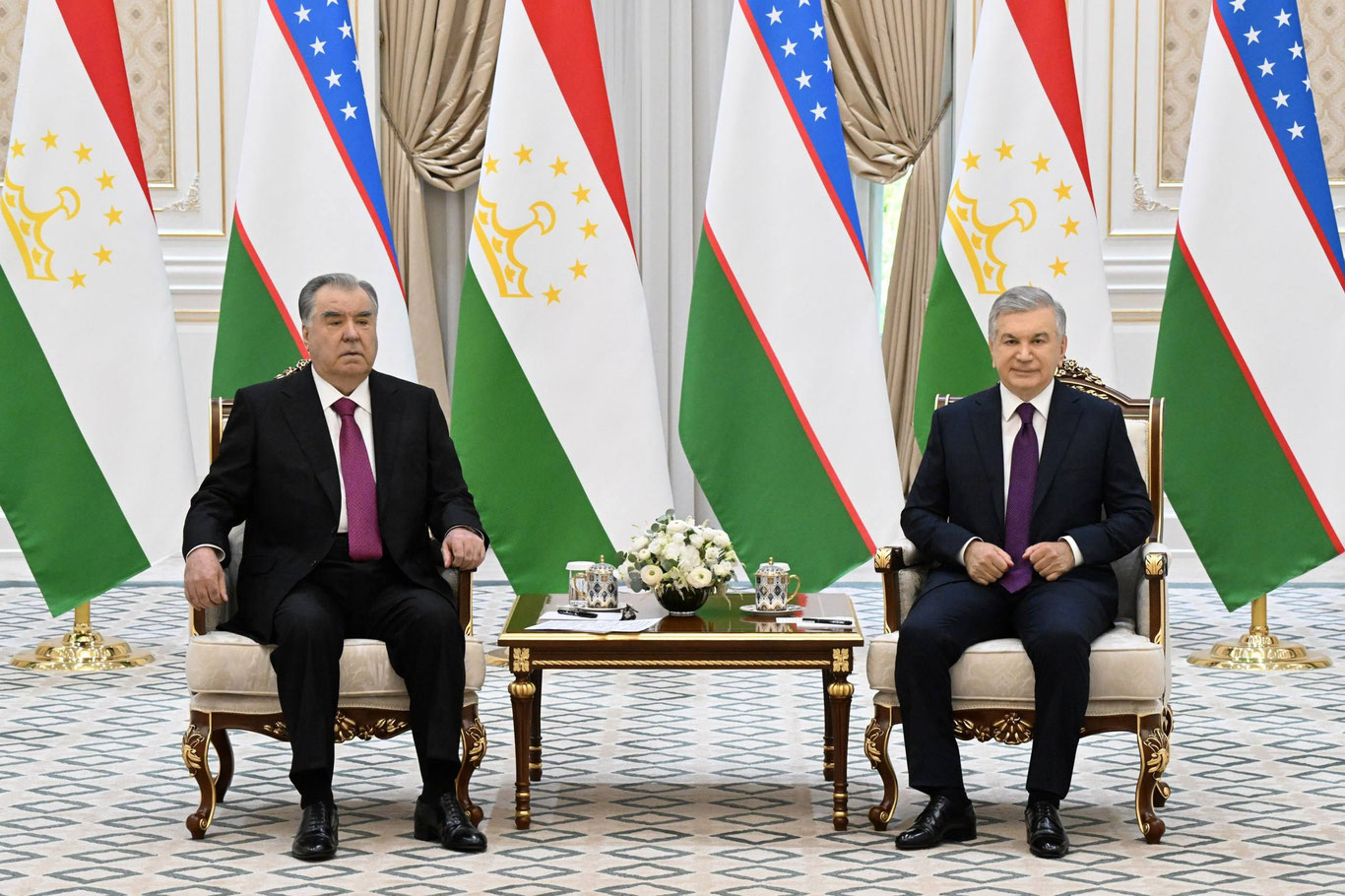
On March 26, at the Koksaroy Presidential Residence, the President of the Republic of Uzbekistan, Shavkat Mirziyoyev, and the President of the Republic of Tajikistan, Emomali Rahmon, held a closed-door meeting and the first session of the Supreme Interstate Council. This was reported by the Press Service of the President of Uzbekistan.
President Mirziyoyev emphasized the historical significance of the Tajik President’s visit, noting that it represents an important step in strengthening centuries-old friendship, good neighborly relations, and mutual respect between the two countries.
“Today, we are inaugurating the first session of the Supreme Interstate Council. This format will undoubtedly elevate bilateral cooperation to a new qualitative level and will enrich the practical substance and advanced initiatives of the strategic partnership and alliance between Uzbekistan and Tajikistan,” said Shavkat Mirziyoyev.
Active and close cooperation at the level of governments, parliaments, and agencies was noted with satisfaction.
In preparation for the visit, the Intergovernmental Commission meeting, an industrial exhibition, and forums involving regions, university rectors, scholars, youth, and research centers were successfully held. At the same time, Days of Tajik Culture and Cinema are being organized in Uzbekistan.
During the meeting, the sides discussed new directions of cooperation in detail, analyzed ways to utilize untapped opportunities, and adopted a number of key decisions that will give a strong impetus to mutually beneficial Uzbekistan–Tajikistan collaboration.
Special attention was given to measures for increasing trade volumes, promoting industrial cooperation, strengthening connectivity in transport, and enhancing water and energy security.
Last year, the volume of bilateral trade reached approximately 1 billion USD, primarily due to the exchange of finished products. Successful cooperation projects are being implemented in industry, construction, agriculture, textiles, electrical engineering, pharmaceuticals, and other sectors.
Currently, air, bus, and rail connections between the capitals of the two countries have been established, and cargo transport is rapidly increasing. Options to raise bilateral trade to 2 billion USD by 2030 were considered.
Agreements were reached to accelerate the construction of the “Oybek – Fatihobod” border trade center, certify products, implement digital systems for exchanging “E-Permit” authorizations, and modernize border control points, contributing to achieving this goal.
In addition, a separate Industrial Cooperation Program was adopted, covering projects in mining, energy, agriculture, electrical engineering, light industry, construction, and other sectors.
The importance of expanding the capital of the joint Investment Company to support promising projects was emphasized, and the launch of new joint projects in both countries was announced.
Partnerships in energy, water resource management, transport, and other sectors were comprehensively reviewed, and cooperation prospects were defined.
Leaders agreed to further develop interregional ties and promote humanitarian, educational, and scientific exchanges.
Considering the presence of large diasporas, a five-year action plan was proposed to strengthen cultural and humanitarian relations.
The heads of state exchanged views on regional and international political issues.
The importance of continuing close dialogue and mutual support within multilateral structures and regional formats in Central Asia was stressed, and an agreement was reached to activate cooperation in the field of security.
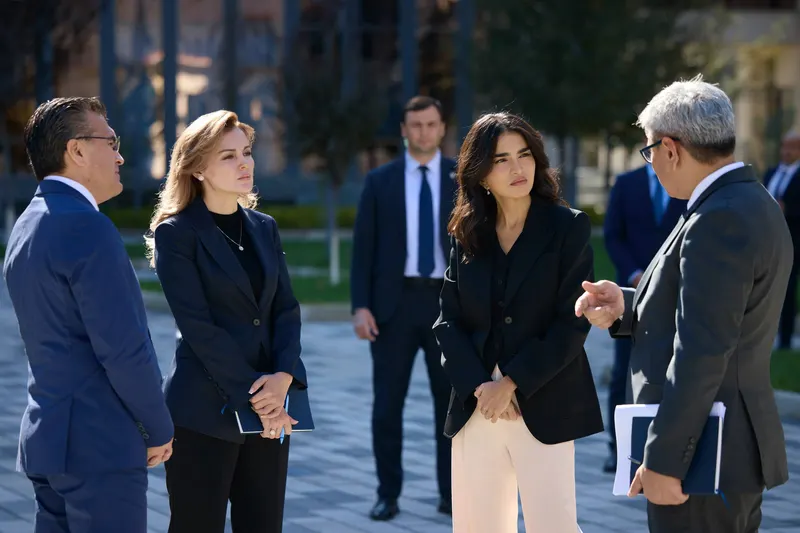
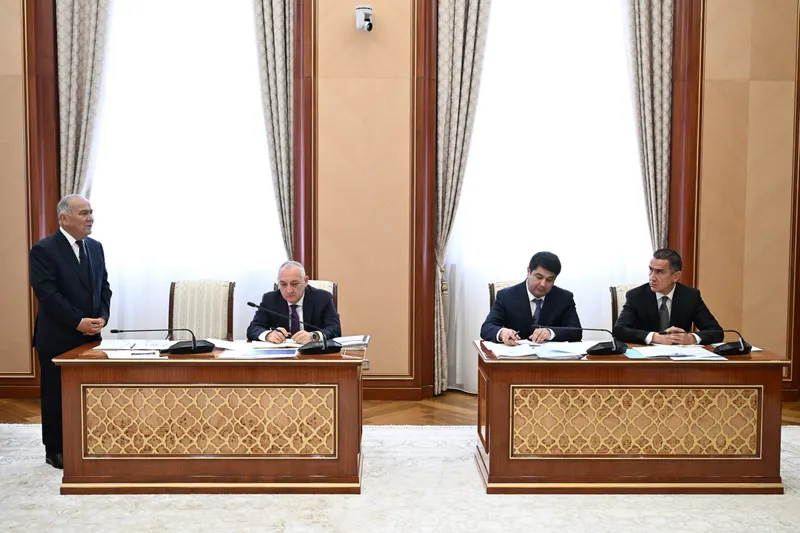
Reports of the co-chairs of the Intergovernmental Commission—the Prime Ministers of both countries—on the main areas of cooperation were heard.
Finally, it was decided to adopt a comprehensive “roadmap” to ensure full implementation of the agreements reached.