Energy crisis in Asia: Iran war disrupts supply chains
The rise in crude oil prices is directly impacting transportation, production, and daily consumption costs.
The energy crisis emerging in the wake of military tensions related to Iran in Asian countries is having a serious impact, ranging from daily consumer goods to major industrial sectors. Reuters reported on this.
It is reported that disruptions in the production of products such as beer, chips, instant noodles, toys, and cosmetics are being observed, and prices are rising sharply.
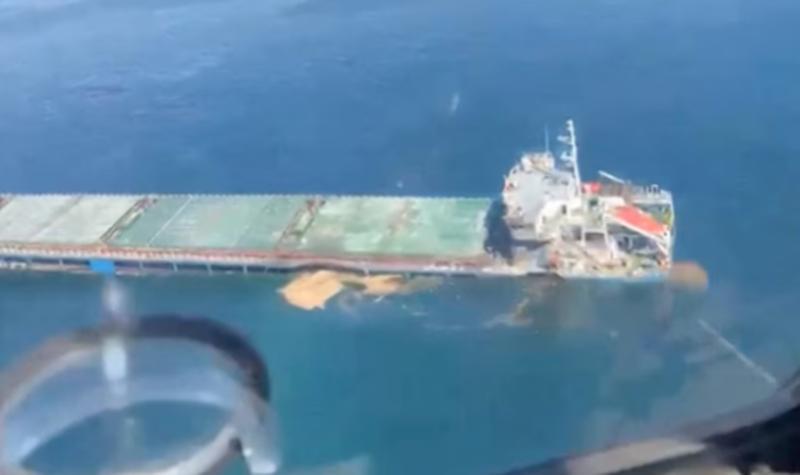
Experts cite the restriction of ship movement in the Strait of Hormuz near Iran's southern coast as one of the main sources of the problem.
Disruptions in this route are having a significant negative impact, especially for Asian countries that are highly dependent on energy resources from the Middle East.
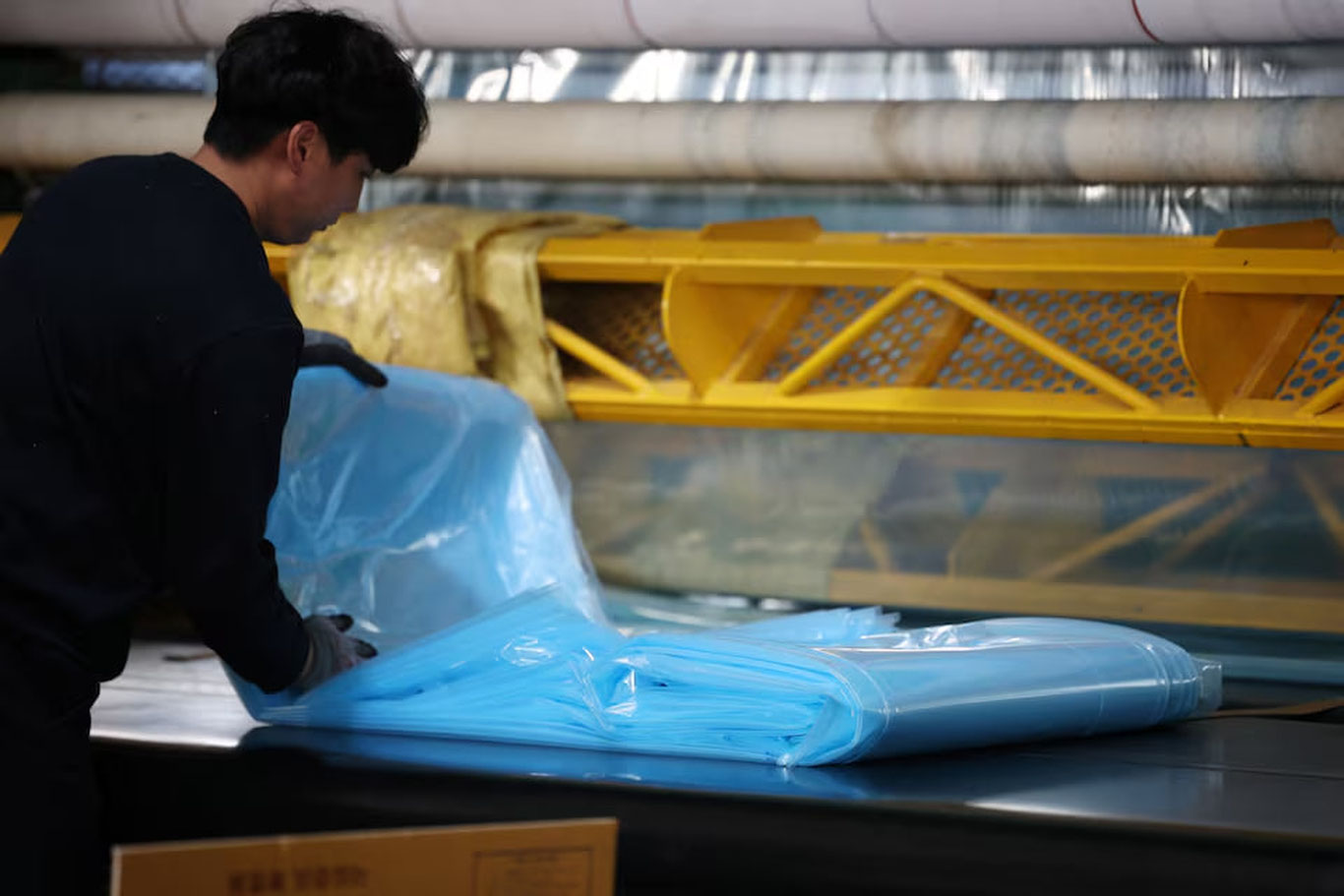
In South Korea, plastic product manufacturers have reported that raw material prices have risen by up to 50 percent and some materials are not available at all. As a result, some factories have been forced to reduce production by 20–30 percent of their usual volume. Company representatives note that pressure at this level has not been seen before.
The greatest shortage is related to petroleum-derived products, particularly naphtha. This substance is a key raw material in the production of plastics and other petrochemical products. Consequently, plastic and rubber prices have already reached record levels.
This situation is also directly affecting the food and cosmetics industries. Major South Korean food manufacturers have warned of the risk of a shortage of packaging materials.
In the cosmetics industry, plastic container manufacturers are taking urgent measures to find raw material supplies. They emphasize that the problem is not the price, but finding the material itself.
In Japan, the production of some food products has also been temporarily halted. In particular, a chip manufacturing company has suspended operations due to a shortage of fuel necessary for the frying process. Retail networks have indicated that if the crisis continues, clothing and household appliance prices could also rise.
In China, a shortage of raw materials necessary for synthetic rubber production is being observed. According to analyses, production volume could decrease by nearly one-third in April. This is expected to affect the prices of tires and other rubber products.
In India, the price increase for plastic containers has made packaged drinking water more expensive. Furthermore, the gas shortage is increasing the likelihood that beer producers will also raise prices.
According to experts, the rise in crude oil prices is directly impacting transportation, manufacturing, and daily consumption costs. This is intensifying inflationary pressure on a global scale.
At the same time, panic buying is also being observed in some countries. In South Korea, a shortage of trash bags and other plastic products has emerged in supermarkets, leading to the imposition of purchase limits.
According to analysts, if the military tensions are not resolved in the coming months, disruptions in supply chains could deepen further and price increases could continue.