Trump extended the temporary truce with Iran.
Iranian officials refused to acknowledge that the truce had been extended.
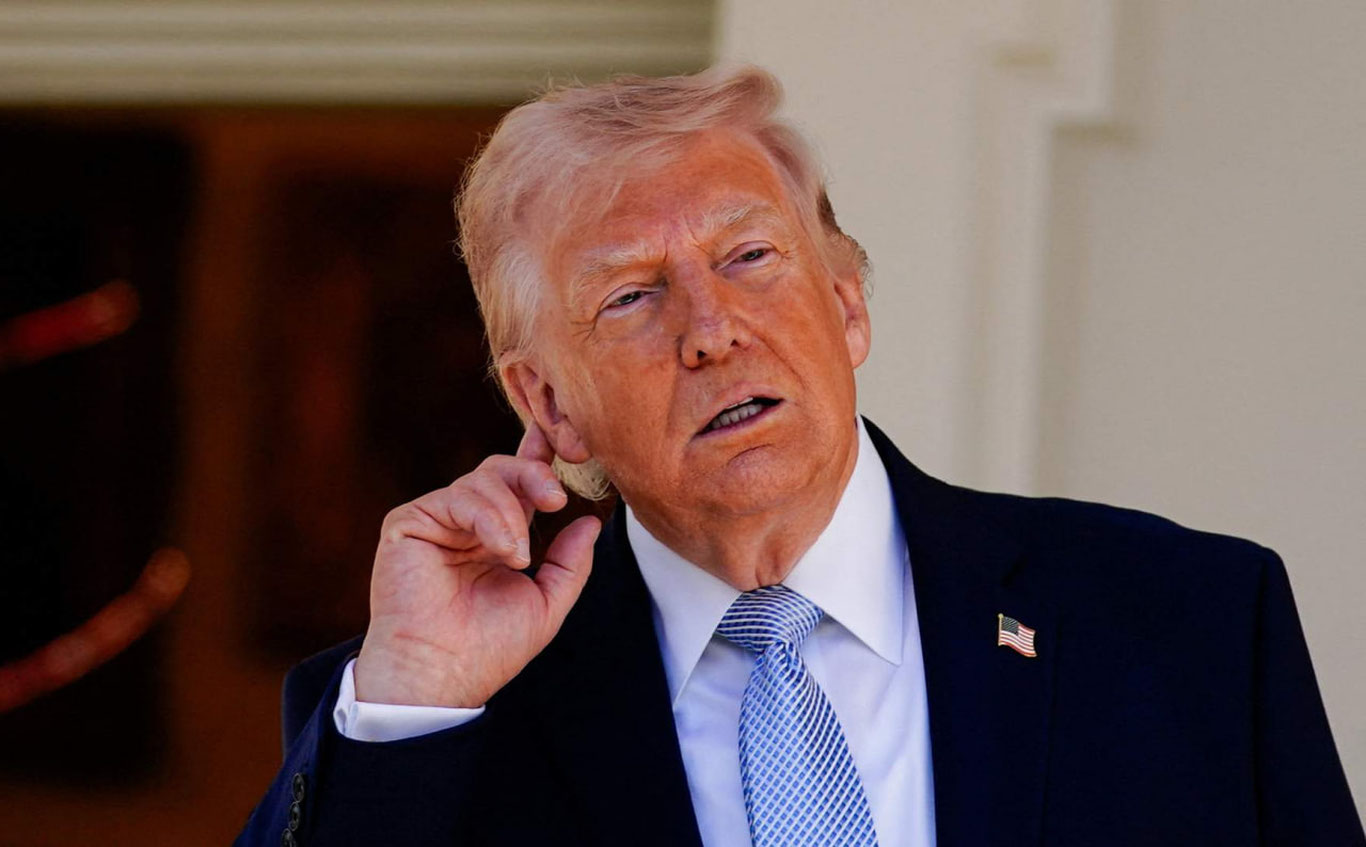
U.S. President Donald Trump has decided to extend the temporary ceasefire with Iran, which was nearing its expiration. He announced this on the evening of April 21.
According to him, the ceasefire will remain in effect until Iran presents its peace proposals and negotiations are concluded. This decision was made at the request of Pakistan, which is participating as a mediator in the talks.
Trump also stated that he has instructed the U.S. armed forces to continue the blockade of Iranian ports and to "remain prepared for action in all other aspects."
Iranian officials, however, have refused to acknowledge the extension of the ceasefire. Mehdi Mohammadi, an advisor to the Speaker of the Iranian Parliament, assessed Trump's decision as "meaningless."
He emphasized that "the defeated side cannot impose conditions," that continuing the port blockade is equivalent to bombardment and warrants a military response. He also expressed his belief that extending the ceasefire is a U.S. attempt to buy time for an unexpected strike, stating, "The time for Iran's counterattack is right now."
Prior to Trump's statement, Iran had accused the U.S. of violating the ceasefire terms. In a statement on the evening of April 21, Iranian Foreign Minister Abbas Araghchi stated that the blockade of Iranian ports is an act of war and violates the ceasefire regime. He also described the attack on a merchant ship and the taking of its crew hostage as a "further gross violation."
Araghchi added that Iran has the capability to defend its interests and resist pressure.
The U.S. and Iran had planned to hold negotiations before the expiration of the two-week ceasefire established on the night of April 8. The first round of talks took place in Islamabad on April 11-12, but the sides failed to reach a peace agreement.
Another meeting between the sides was also expected to take place in Islamabad. Trump announced on April 19 that a U.S. delegation had been sent for negotiations, but Iran refused to participate in talks while U.S. forces were blockading its ports.
According to the Axios publication, on the evening of April 20, the Iranian delegation received permission from Supreme Leader Mujtaba Khamenei for the negotiations. However, the Tasnim agency reported that Iran has ultimately withdrawn from the talks scheduled for April 22.
The U.S. began the blockade of Iranian ports precisely during the period when the ceasefire was in effect. The blockade in the Strait of Hormuz began on the evening of April 13. U.S. forces have been intercepting vessels carrying Iranian cargo and those entering Iranian territorial waters.
According to statements by Iranian officials, the naval blockade has been one of the main reasons for Tehran's reluctance to participate in the negotiations.
One of the key terms of the temporary ceasefire was the opening of the Strait of Hormuz, a strategic route for oil transportation. Tehran has kept this route closed to most vessels, allowing passage only to ships associated with Iran.
During the two-week ceasefire, the strait was fully open for only one day—April 17—but was closed again to most vessels the following day.