An international conference dedicated to the 690th anniversary of Amir Timur's birth was held in Madrid.
More than 70 representatives of the scientific community, researchers, cultural figures, diplomats, and experts from Asia, the European Union, and Latin America participated in the forum.
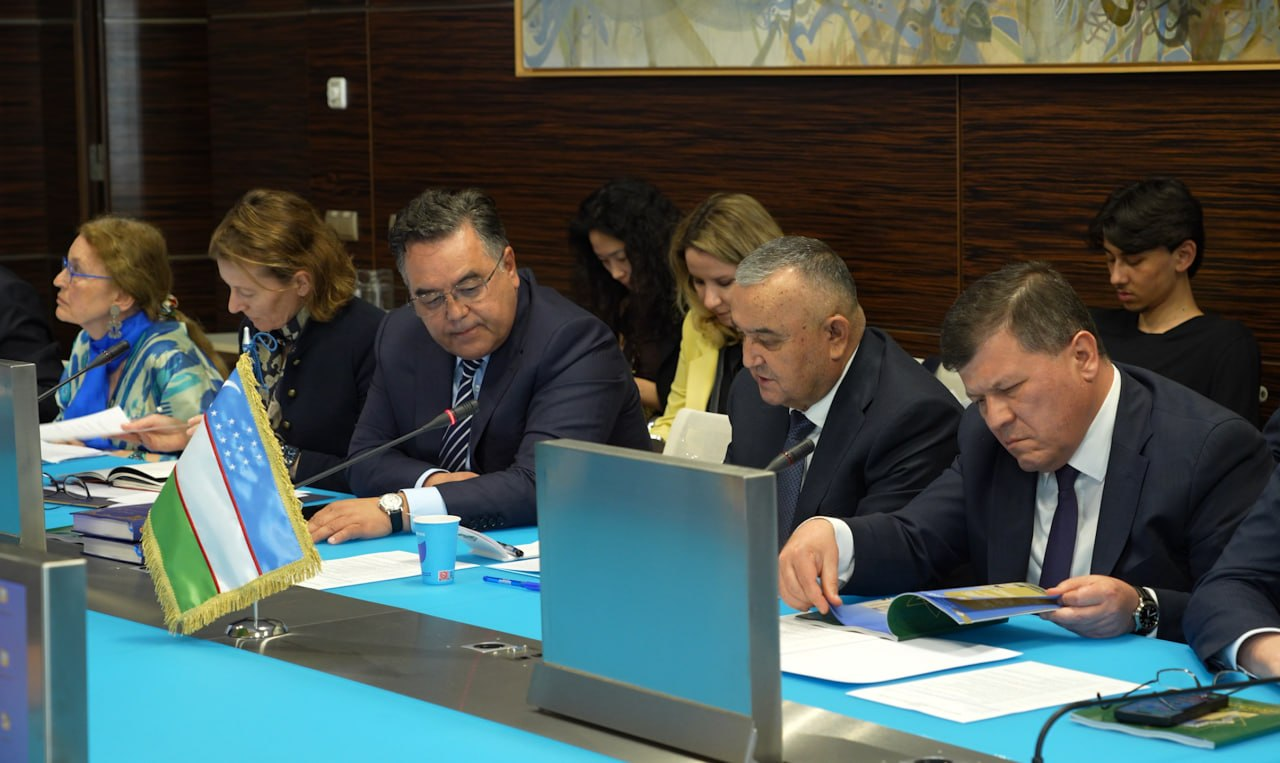
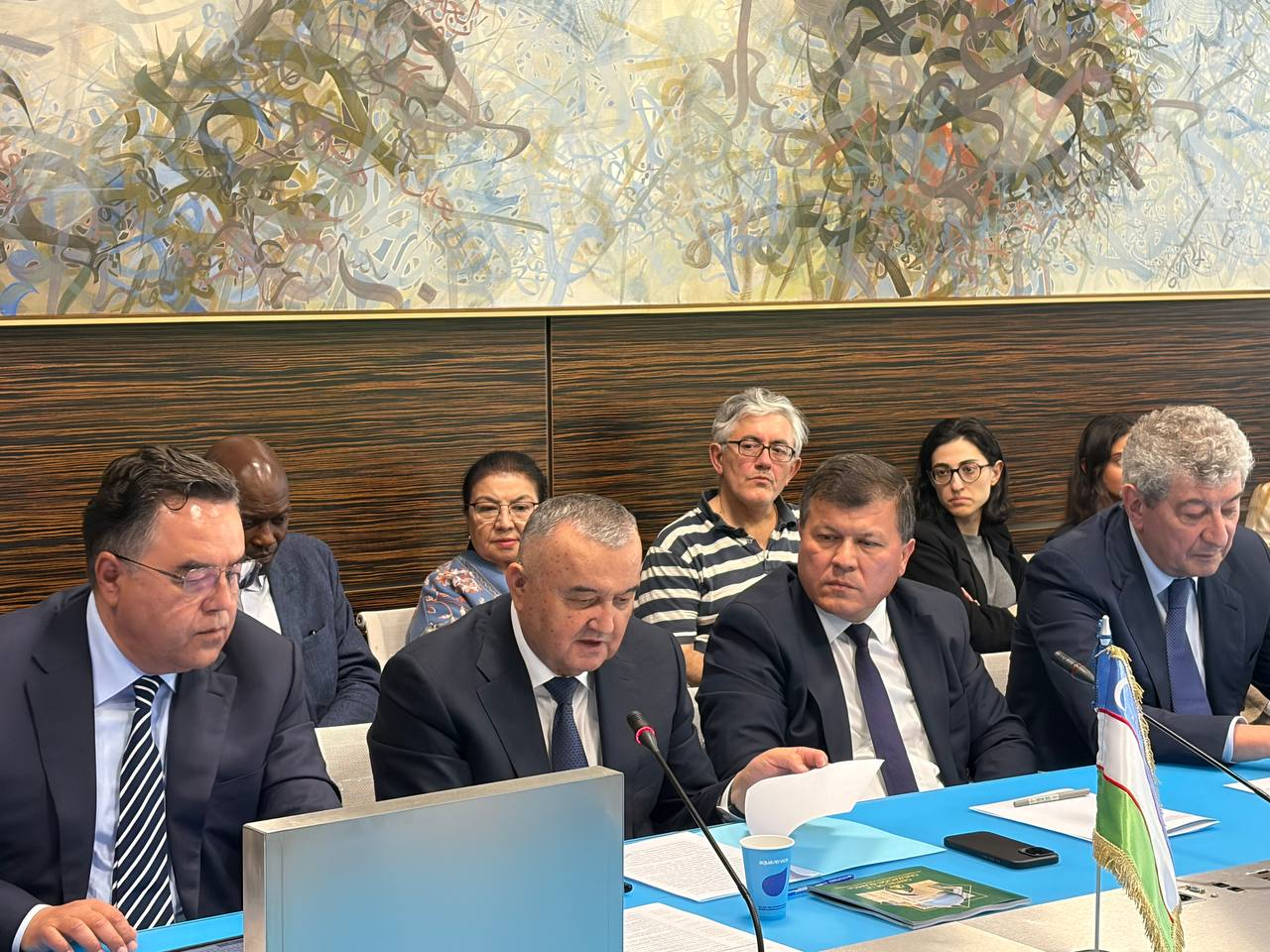
An international conference dedicated to the 690th anniversary of the birth of Amir Temur, a great statesman, brilliant commander, founder of a powerful empire, and one of the greatest figures in world history, was held at the prestigious Casa Árabe cultural center in Madrid.
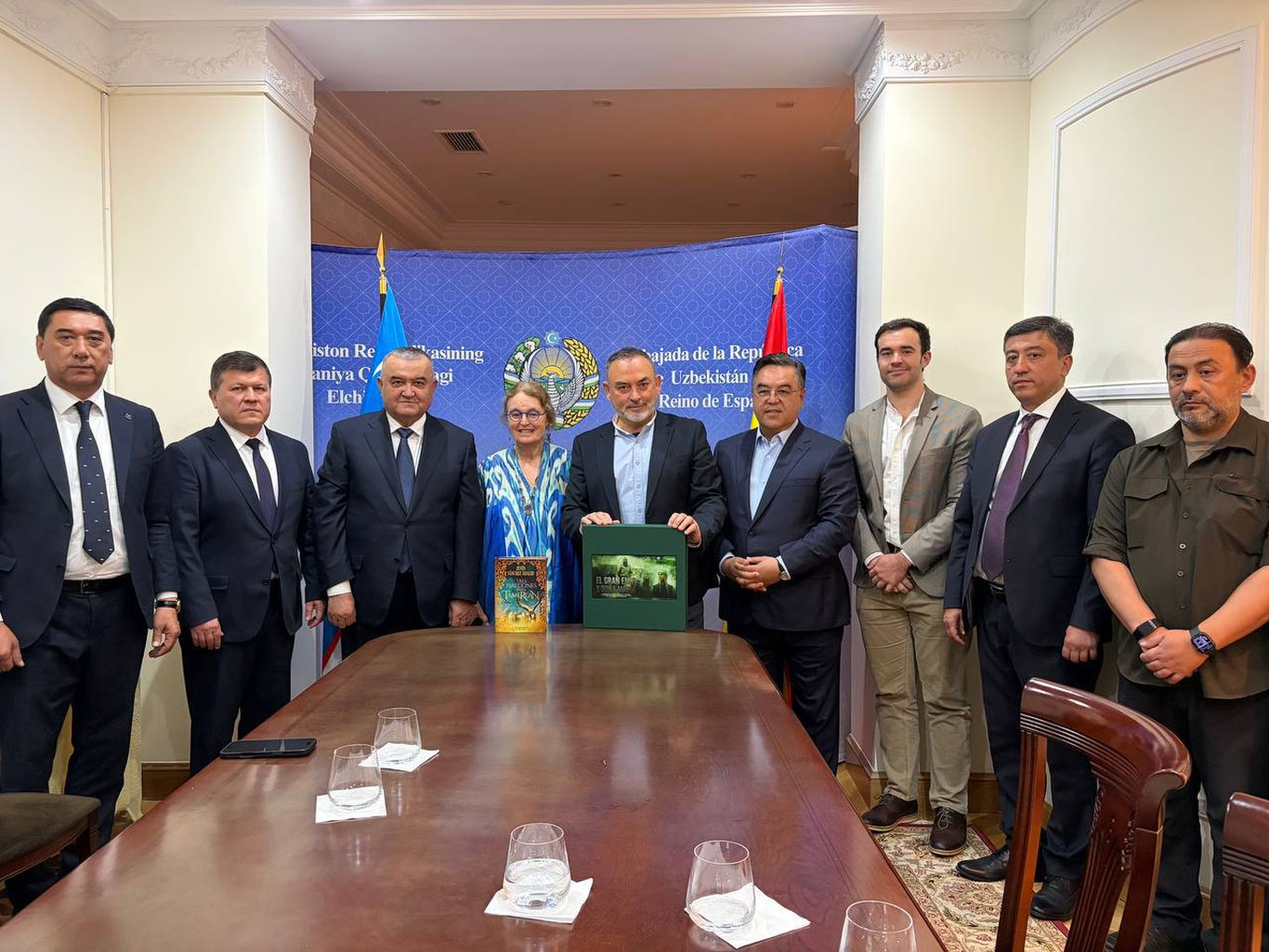
The event was attended and addressed by Farrukh Tursunov, Ambassador Extraordinary and Plenipotentiary of the Republic of Uzbekistan to the Kingdom of Spain; Khayriddin Sultanov, Advisor to the President of the Republic of Uzbekistan, People's Writer of Uzbekistan; Firdavs Abdukhalikov, Director of the Center for Islamic Civilization in Uzbekistan and Chairman of the Board of the World Society for the Study, Preservation and Promotion of Uzbekistan's Cultural Heritage; Khurshid Fayziyev, Director of the State Museum of the History of the Timurids; Jesus Gil Fuensanta, Secretary General of the Spanish Association of Orientalists and Professor at the Center for Asian Studies at the Autonomous University of Madrid; Frederic Bressand, President of the Timurids Association; Charlotte Kramer, President of Mueller & Schindler; and Alexander Wilhelm, Vice President of Mueller & Schindler.
The scientific and educational forum was an important continuation of the large-scale anniversary celebrations initiated by the President of the Republic of Uzbekistan, Shavkat Mirziyoyev. In accordance with the head of state's decision to worthily celebrate the 690th anniversary of Amir Temur, this significant date is being commemorated in Uzbekistan at the highest national and international level, and the month of April has been declared the Month of Amir Temur.
The international anniversary celebrations began magnificently in Uzbekistan. An international scientific-practical conference dedicated to the role and significance of Amir Temur and the Timurid civilization in world history and culture was held in Tashkent and Samarkand on April 8-12, 2026.
The fact that the forum was held in Spain - in the birthplace of the renowned Spanish ambassador and chronicler Ruy González de Clavijo, who visited Samarkand and left invaluable information about the reign of Amir Temur - further enhanced the historical depth of the event. His works are rightfully considered among the most important sources on the history of the Timurid era, and the forum became a symbolic continuation of the centuries-old international dialogue between East and West.
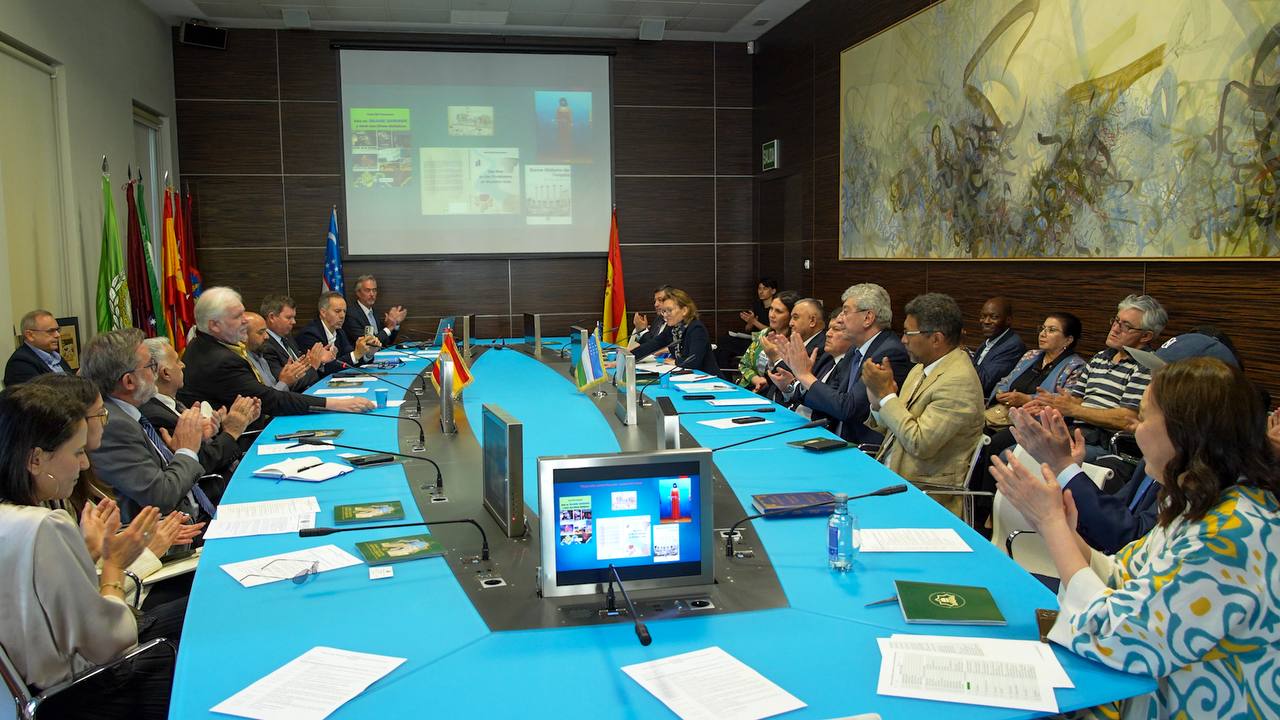
The forum was attended by over 70 representatives of the scientific community, researchers, cultural figures, diplomats, and experts from Asia, the European Union, and Latin America, confirming the high international interest in the legacy of Amir Temur and the Timurid era.
The opening ceremony was led by the Ambassador of the Republic of Uzbekistan to Spain, Farrukh Tursunov, who emphasized the dynamic development of Uzbek-Spanish relations and the deepening humanitarian cooperation.
People's Writer of Uzbekistan Khayriddin Sultanov delivered the keynote speech, highlighting the special importance of strengthening trust and dialogue between states in the current geopolitical context. He noted that Uzbekistan consistently pursues an open and peaceful foreign policy, and that cultural and humanitarian cooperation is becoming an important pillar of international relations.
A video presentation about the Center for Islamic Civilization in Uzbekistan was shown at the forum, demonstrating the extensive work being carried out to study, preserve, and promote the national heritage.
Firdavs Abdukhalikov presented the activities of the Center, established on the initiative of the President of Uzbekistan, and emphasized the significance of the Timurid legacy. He noted the existence of a dedicated, large-scale exhibition covering this period, revealing its contribution to the development of science, culture, art, and statehood. It was also announced that nearly 2,000 cultural heritage objects from the Timurid era have been returned to Uzbekistan.
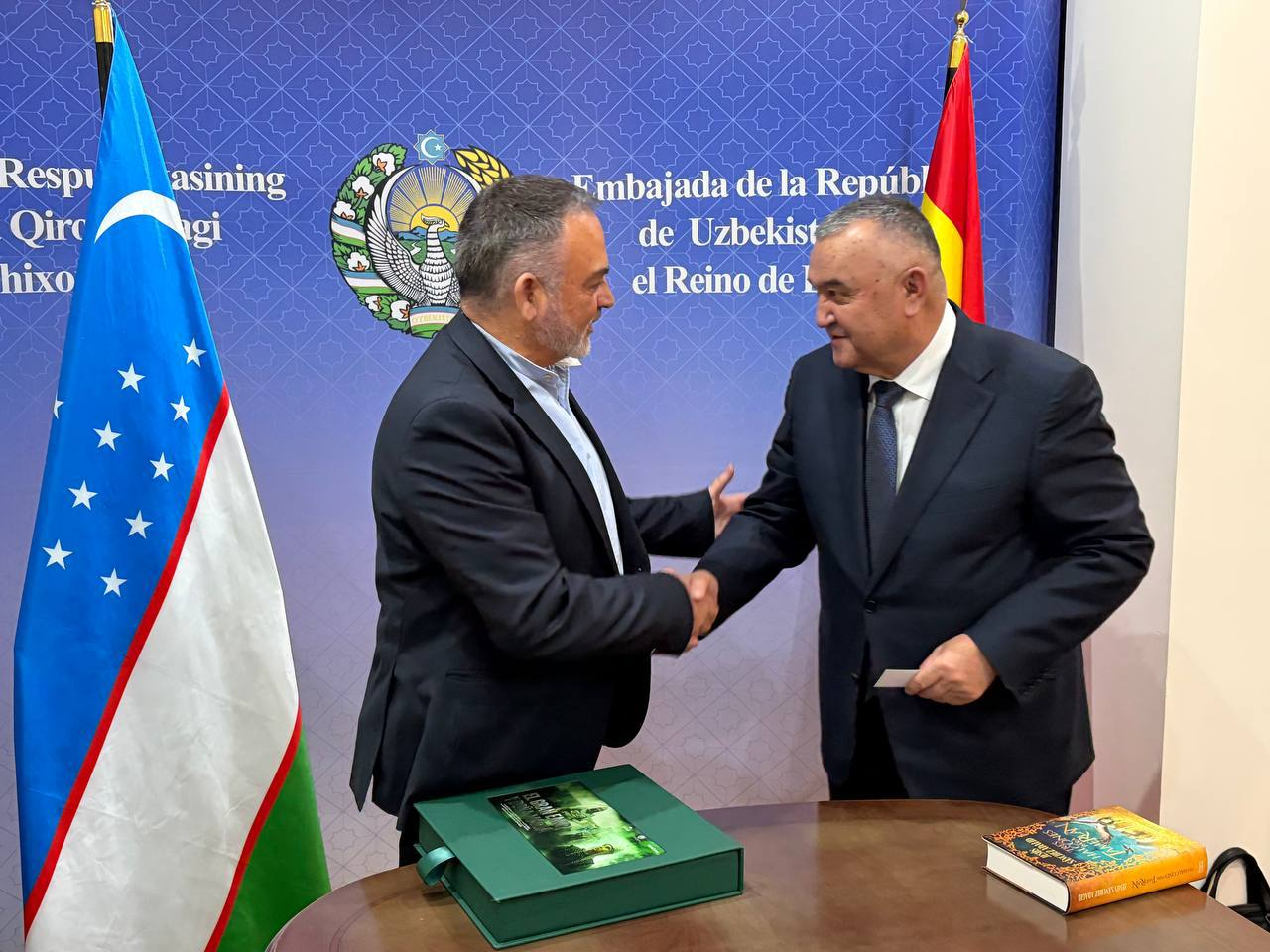
In his speech, Khurshid Fayziyev emphasized the global historical significance of Amir Temur and the contribution of the Timurid era to the development of world civilization.
Multimedia materials interpreted in a modern artistic style vividly revealed the richness of the cultural and scientific heritage and demonstrated Uzbekistan's systematic state policy for its preservation and promotion.
The international conference in Madrid was further evidence that the celebration of the 690th anniversary of Amir Temur has a truly global scale and serves to strengthen cultural ties and develop international cooperation.
The international participants of the forum also highly praised the event.
Frederic Bressand, President of the Timurids Association, emphasized the importance of such initiatives:
"Such projects give the younger generation the opportunity to understand their history more deeply and see it in the broader context of the region's development over the centuries. This is important both for the country's citizens and for the international audience, revealing the cultural wealth of Uzbekistan and the entire Central Asia."
Jesus Gil Fuensanta, Secretary General of the Spanish Association of Orientalists, stated:
"The initiatives undertaken by the government of Uzbekistan play an important role in promoting the country's rich cultural heritage."
According to him, such events allow a wide international audience access to the unique legacy of the Timurid era - from magnificent architectural monuments to great written sources like "Zafarnama" and "Baburnama," as well as the region's poetry and multifaceted cultural traditions."
Today, the name of Amir Temur resonates with particular force as a symbol of state power, strategic genius, and cultural creativity. The holding of the forum in Spain, historically associated with the name of Clavijo, gave the event special significance and underscored the continuity of the dialogue between East and West, which has continued for centuries and continues to this day.