In Astana, the heads of TDT countries responsible for ecology met.
Member countries of the Organization of Turkic States are strengthening practical cooperation against transboundary environmental problems.
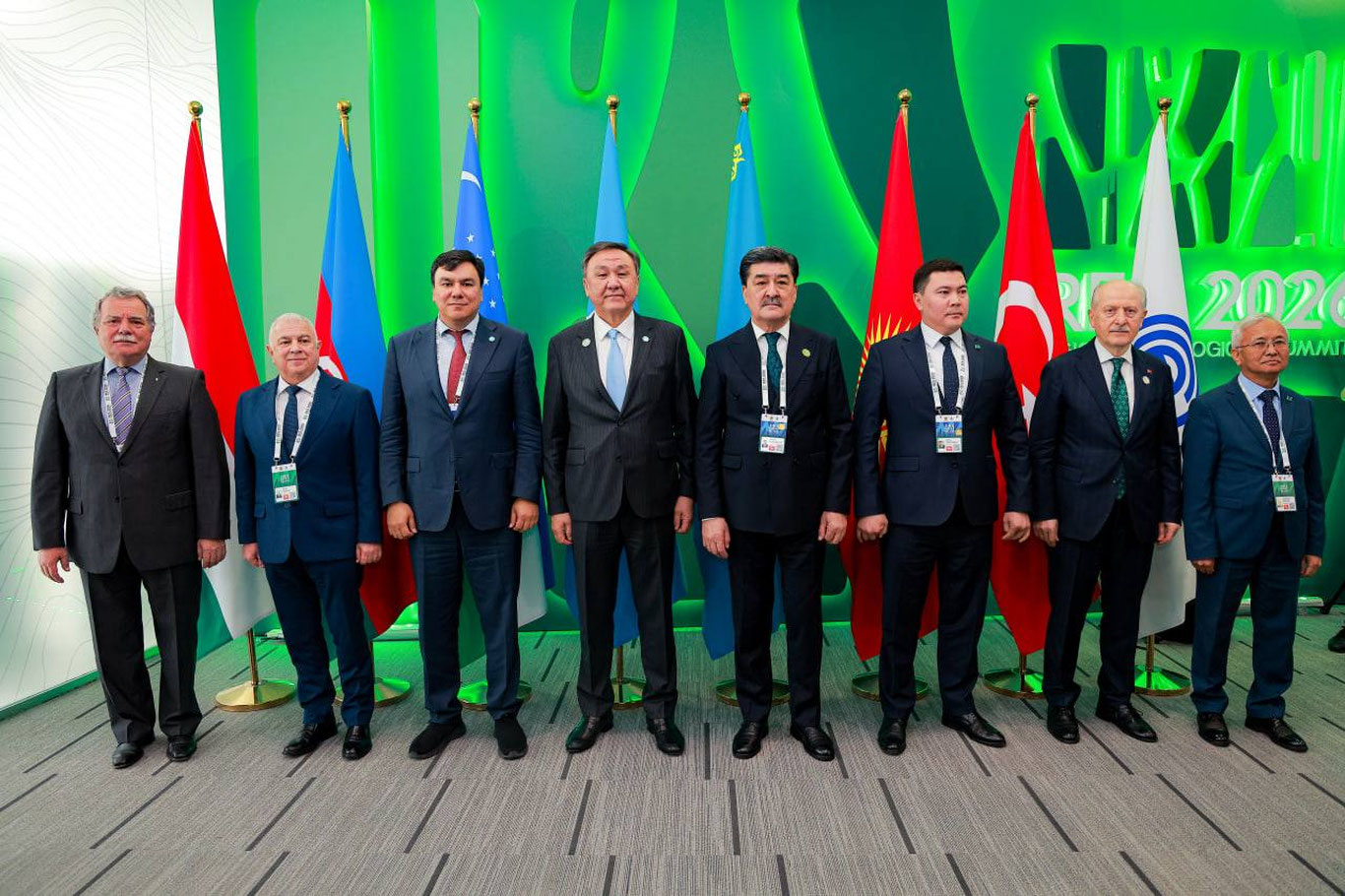
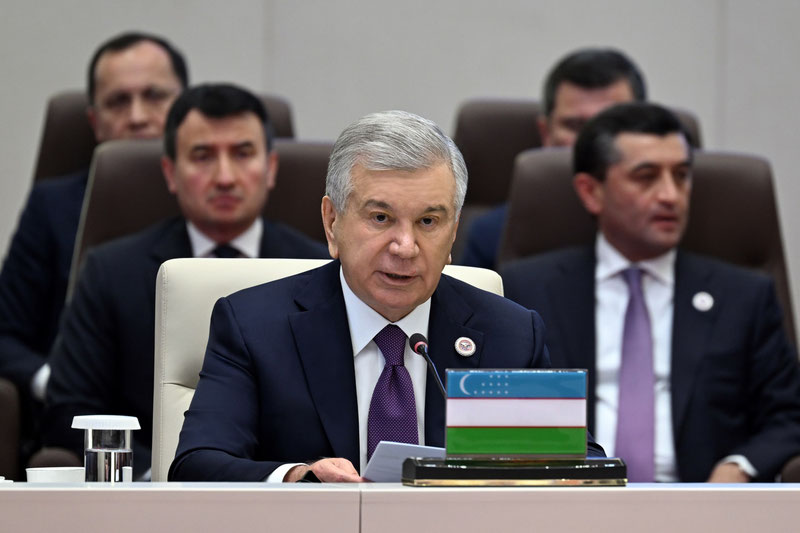
As part of the Regional Environmental Summit in Astana, the second meeting of heads responsible for environmental and ecological issues of the member countries of the Organization of Turkic States (OTS) was held.
According to reports, the meeting became an important platform for combating threats related to climate change, strengthening regional cooperation, and developing practical solutions in the field of environmental protection.
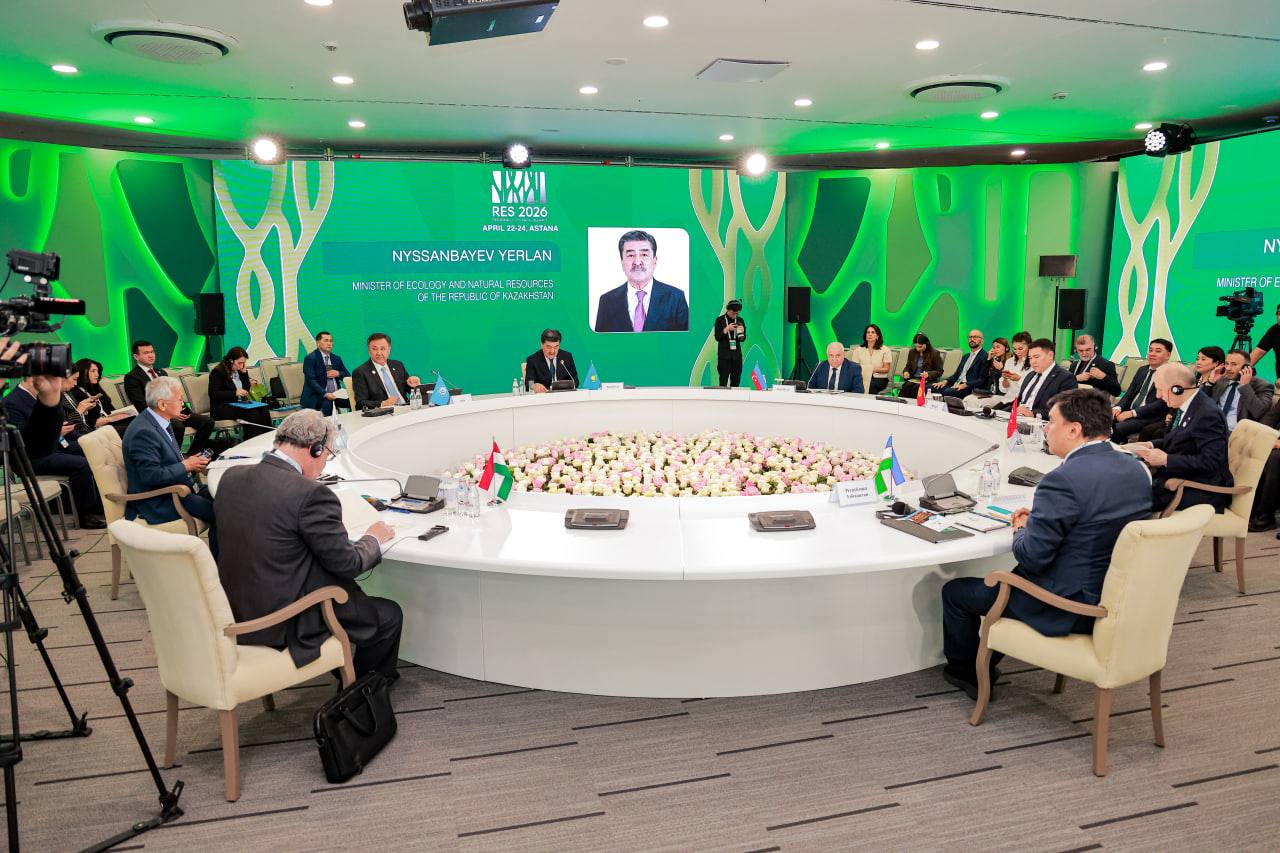
The dialogue was attended by Aziz Abdukhakimov, Advisor to the President of Uzbekistan on Environmental Issues and Chairman of the National Committee on Ecology and Climate Change; Yerlan Nysanbayev, Minister of Ecology and Natural Resources of Kazakhstan; Rauf Gajiyev, Deputy Minister of Ecology and Natural Resources of Azerbaijan; Aqil Toktobayev, Minister of Natural Resources, Ecology and Technical Supervision of Kyrgyzstan; Hasan Suver, Deputy Minister of Environment, Urbanization and Climate Change of Turkey; Kubanychbek Omuraliyev, Secretary General of the OTS; and Asad Majid Khan, Secretary General of the Economic Cooperation Organization.
In his speech, Aziz Abdukhakimov emphasized that today's environmental problems—such as climate change and biodiversity loss—do not recognize state borders and require coordinated and practical measures.
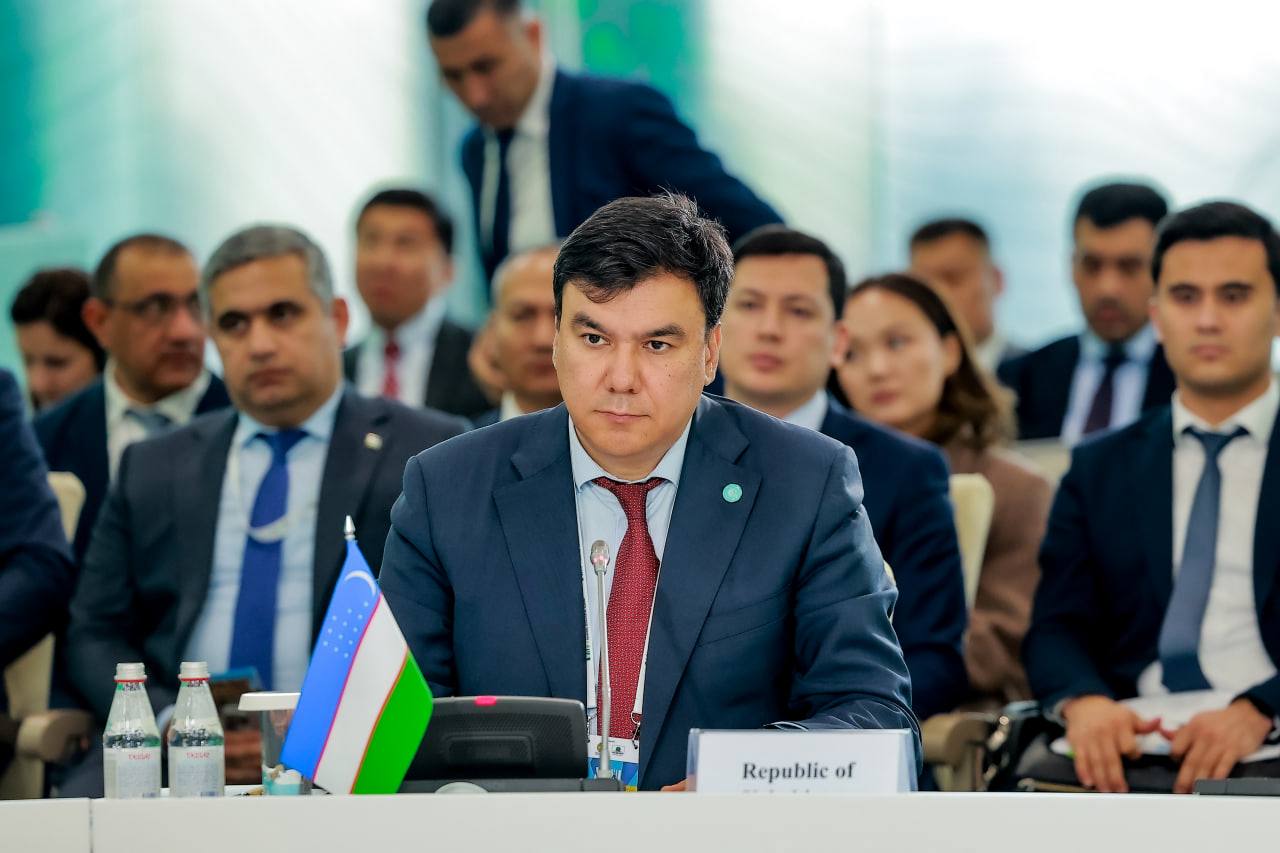
"In this regard, the initiative to establish a Turkic Environmental Council, put forward by the President of the Republic of Uzbekistan, is of particular importance. We see this as an important institutional mechanism that unites the efforts of our states, facilitates the exchange of experience, and serves to develop agreed-upon decisions," he said.
Special attention was also paid to the proposal to establish a specialized expert body under the Council—a scientific and technical structure or working group. It is planned to locate this structure in the city of Nukus. The Uzbek side expressed its readiness to actively promote this initiative, including holding one of the Council's first meetings in Nukus.
This region clearly reflects the scale of environmental problems associated with the Aral Sea crisis.
It was noted that holding the meeting in Nukus will allow participants to familiarize themselves with the exhibition of the Climate Change Museum. It showcases the consequences of the Aral Sea tragedy, as well as the work being done to restore ecosystems and improve the living conditions of the population of the Aral Sea region.
The meeting highlighted the need to move from discussions to practical actions. The development of a "green" economy, the introduction of environmentally friendly technologies, the restoration of natural ecosystems, the reduction of pollution levels, and the promotion of sustainable consumption models were put forward as key priority areas.
The importance of expanding international cooperation to attract investments and advanced solutions was also emphasized.
It was noted that the Turkic states possess significant natural and scientific potential and, by acting together, can make a worthy contribution to the global climate agenda and the achievement of sustainable development goals. From this perspective, strengthening mutual trust, unity, and consistent actions are of great importance.