In the meeting between Trump and Xi, the Taiwan issue has once again come to the forefront.
President Donald Trump appeared very pleased with all the issues discussed during his two-day visit to China. However, it remains unclear what exactly they managed to agree on, as Trump claims they reached an agreement on almost everything.
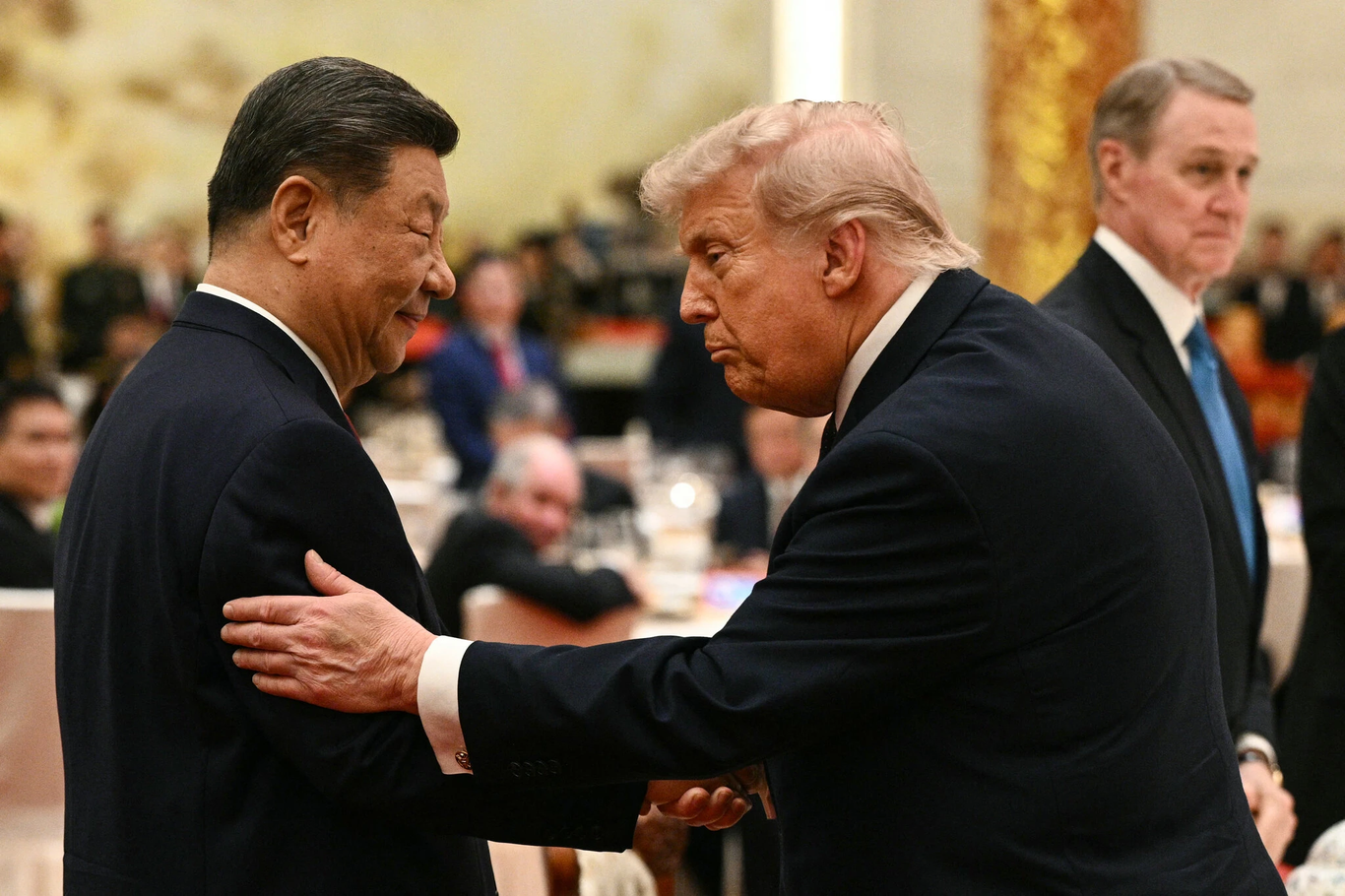
The Taiwan issue was supposed to be resolved at the Trump-Xi meeting, but…
On May 13-15, Trump visited Beijing. During the visit, he was supposed to agree on many things with Xi Jinping. The Chinese side was expecting a final decision on the Taiwan issue with him, but the Taiwan issue was barely discussed in the negotiations.
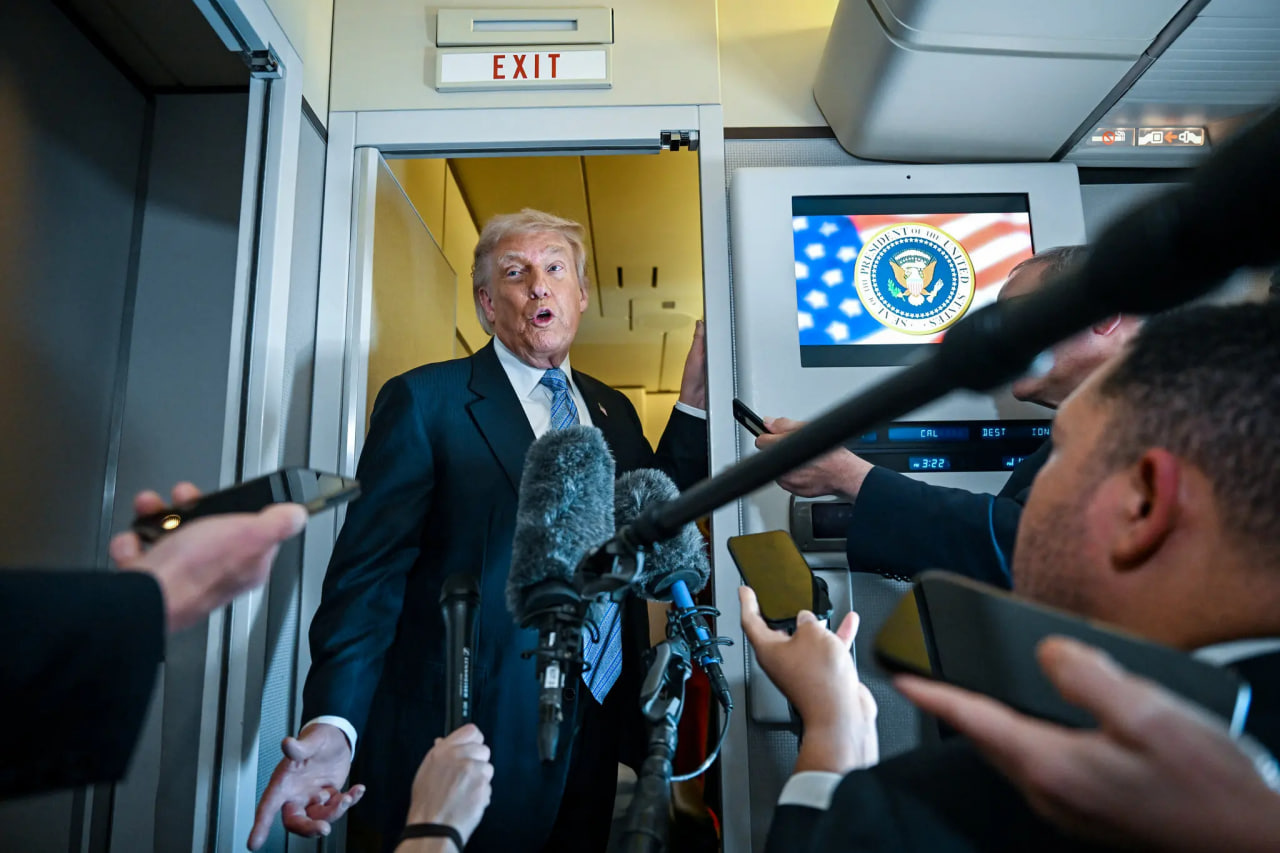
On May 15, during a briefing for journalists on board the presidential plane returning from Beijing to the US, Trump spoke little about substantial agreements, but hinted that under pressure from Xi Jinping, he was reconsidering the key issue in US-Taiwan relations.
Despite numerous promises by White House officials that US policy towards Taiwan would not be on the summit agenda and warnings to Trump, Donald Trump and Xi Jinping discussed US ties with the island of Taiwan at length and in detail. Trump told journalists he was ready to reconsider one of Beijing's long-standing and fundamental demands — the sale of weapons to this self-governing "island." However, the US has long-standing commitments to provide Taiwan with defensive weapons to deter potential Chinese aggression.
When asked about selling or not selling weapons to Taiwan, Trump said he would reach a decision on this matter soon. He also added that as part of the decision-making process, he would speak with "the person running Taiwan."
Will the US sell weapons to Taiwan in this situation?
According to The New York Times, the Taiwanese government has been waiting for months for President Trump to sign off on a $14 billion package of missiles, anti-drone equipment, and air defense systems to strengthen the "island" against Beijing's military threats.
President Trump had pressured Taiwan to spend more on its own defense. Now, he is using the weapons his administration urged the "island" to buy as leverage against China, the United States' main rival.
Trump says signing the arms sales agreement between the US and Taiwan depends on China's policy. There was no official response from Beijing to these remarks by Trump. The Taiwanese government, trying to quickly de-escalate tensions, stated that American officials had repeatedly assured them that US policy would remain unchanged.
On the first day of negotiations in Beijing, Xi Jinping told Trump that the "Taiwan issue is the most important issue in US-China relations." If this issue is mishandled, as Xi warned, it could "put the entire US-China relationship in an extremely dangerous situation." Trump, accordingly, will carefully consider resolving this matter, because the US and Trump do not need a powerful enemy like China, which has the world's second-largest economy and is developing modern military weapons.
Does Taiwan trust Trump?
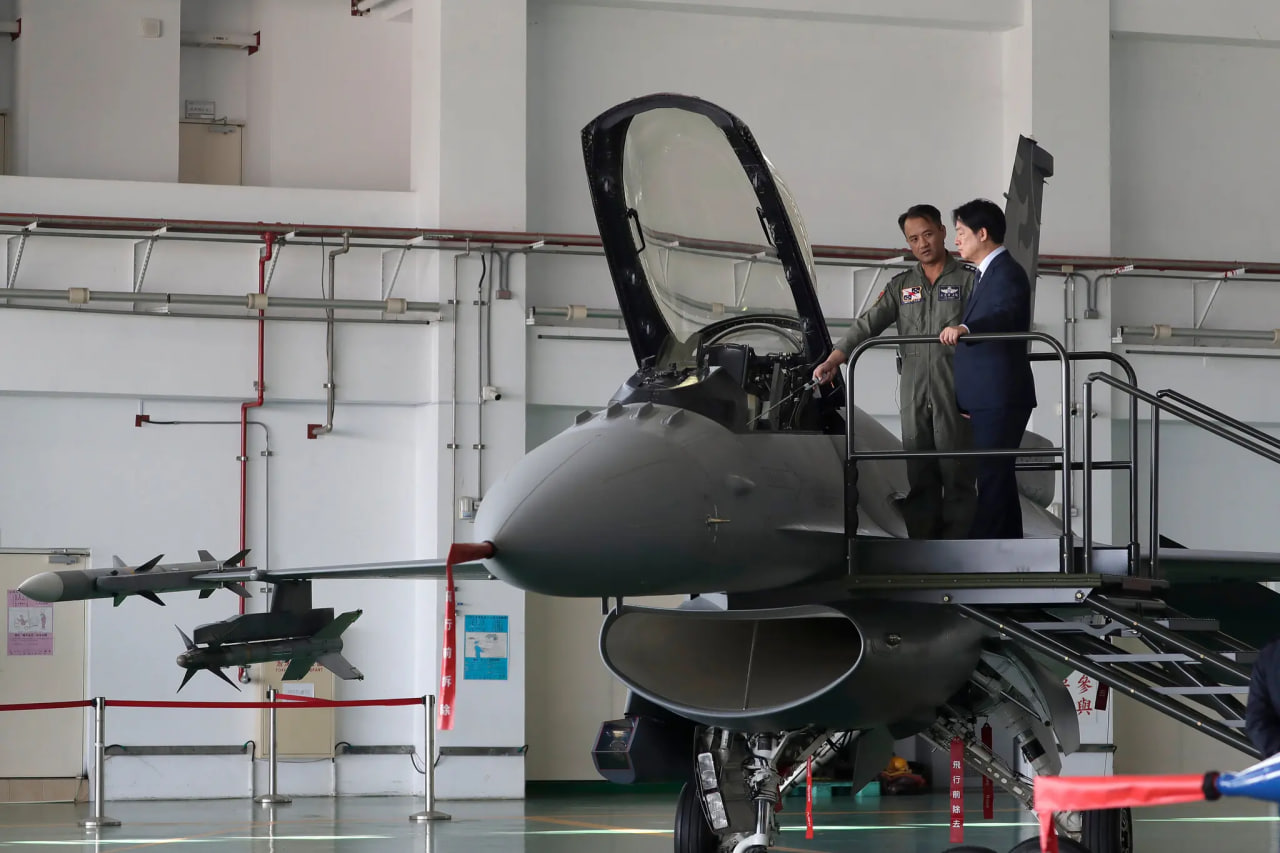
In its response to Trump's latest statement, the administration of Taiwanese President Lai Ching-te expressed gratitude for Trump's support for Taiwan Strait security since his first term. It also emphasized that "countries close to China are actively cooperating to strengthen defense with the US, and Taiwan cannot be an exception."
During negotiations with the US, Xi Jinping told Trump that the "Taiwan issue is the most important issue in US-China relations." If this issue is mishandled, as Xi warned, it could "put the entire US-China relationship in an extremely dangerous situation."
Trump, also trying to show that he had listened carefully to Xi's views, said in an interview after a long conversation with the Chinese leader: "I think now I know more about Taiwan than almost any other country."
However, he later also left open the possibility of calling the Taiwanese president, a step that would certainly anger Beijing.
During the briefing, Trump told journalists that he knows more about Taiwan than others and is currently pondering the Taiwan issue. Trump said he would speak with the Taiwanese president on the phone.
If Trump actually does so, he would be the first sitting president to speak with a Taiwanese leader since 1979, when the US severed diplomatic ties with Taiwan as part of recognizing the People's Republic of China. China has strongly opposed any contact between high-ranking US and Taiwanese officials.
This move by Trump could also backfire: if he approves the arms sales, he will incur Beijing's wrath, or conversely, it could increase pressure from US lawmakers to strengthen support for Taiwan.
According to analysts, if Xi wants to punish the Trump administration over the Taiwan issue, China could halt agricultural product orders or tighten restrictions on the export of rare metals needed for many technological components. However, Xi has agreed to make a state visit to the US later this year and could use the prospect of new negotiations and new agreements to influence Trump.
A blow to the Taiwanese president's agenda
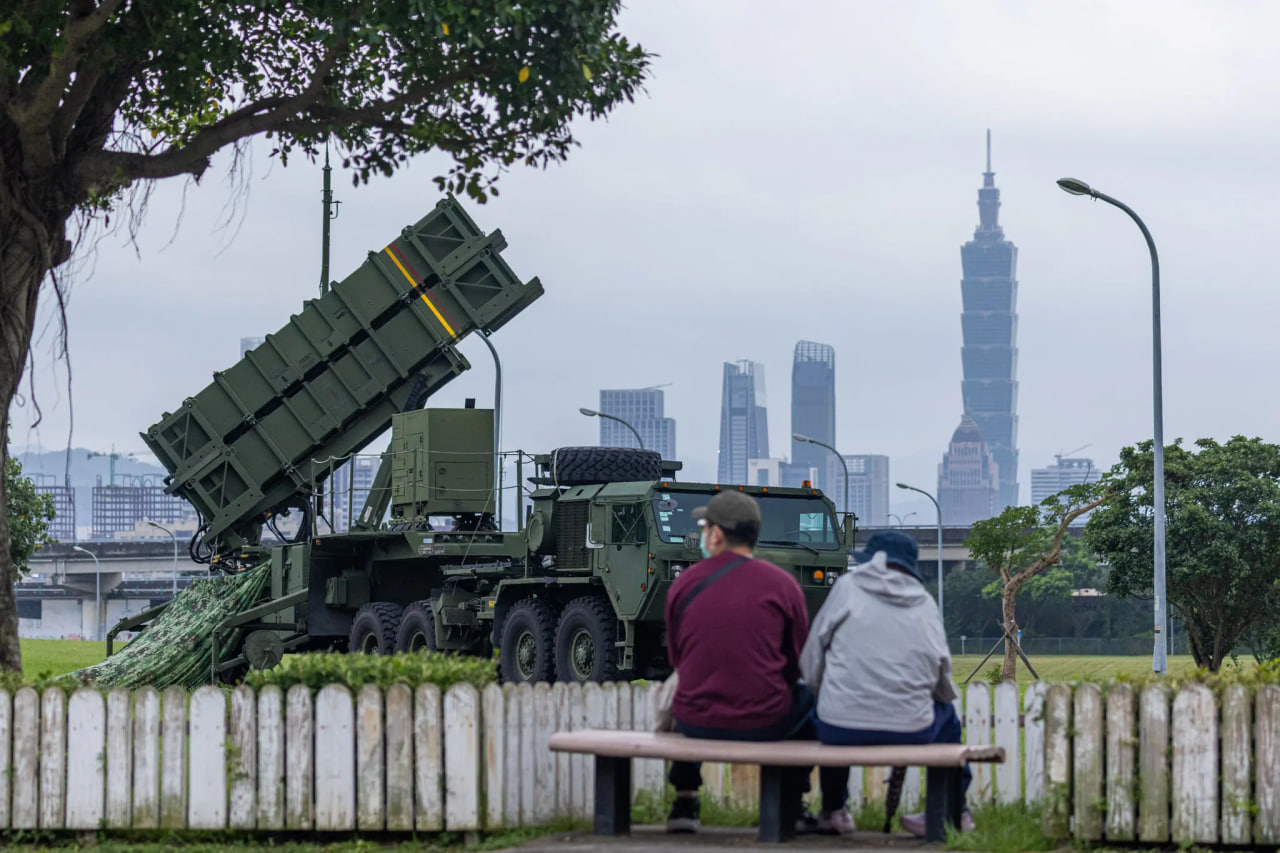
Trump's comments are undoubtedly seen as a setback for Taiwanese President Lai, who has been pushing hard for increased military spending and the purchase of American weapons.
When Taiwanese lawmakers finally voted to approve a $25 billion special fund to purchase two weapons packages from the US, deputies from Lai's own party did not vote, because the fund did not include costs for local drones and other weapons.
According to William Yang, an analyst at the International Crisis Group (ICG), which monitors and helps resolve conflicts, Trump's words "easily provide ammunition" to Lai's opponents, who accuse the president of becoming overly dependent on Washington.
Politicians from Taiwan's main opposition party, the Kuomintang (Nationalist Party), which advocates for stronger ties with China, have stated that Trump's remarks show Lai's naivety.
Under Lai, Taiwan has sought to build a rapid, mobile army equipped with missiles and air defense technology, formed mainly through the purchase of US weapons, capable of countering China's expanding military. Trump approved an $11 billion package last year, to which Beijing responded by conducting military exercises near the island.
As for the next $14 billion package, Trump merely said: "I will make a decision soon."
In an interview with Fox News, Trump repeated his long-standing accusation that Taiwan had illegally acquired its world-leading semiconductor (chip) manufacturing expertise and therefore owes the US. He also emphasized the island's vulnerability to a Chinese attack, given that the US is thousands of miles away.
"They stole our chip industry," Trump said of Taiwan. "It would be wise for Taiwan to come down a bit. It would have been wise for China to come down a bit too."
During the meeting, the Taiwan issue became the most contentious point. Xi Jinping warned Trump that mistakes regarding this island, which China considers part of its territory, could "lead to conflicts and even military confrontation, putting the entire relationship at great risk."