It has been determined that every second fish in the tributaries of the Syr Darya contains microplastics in its body.
Scientists indicate that microfibers from the textile industry and the insufficient efficiency of wastewater treatment systems are the main sources of pollution.
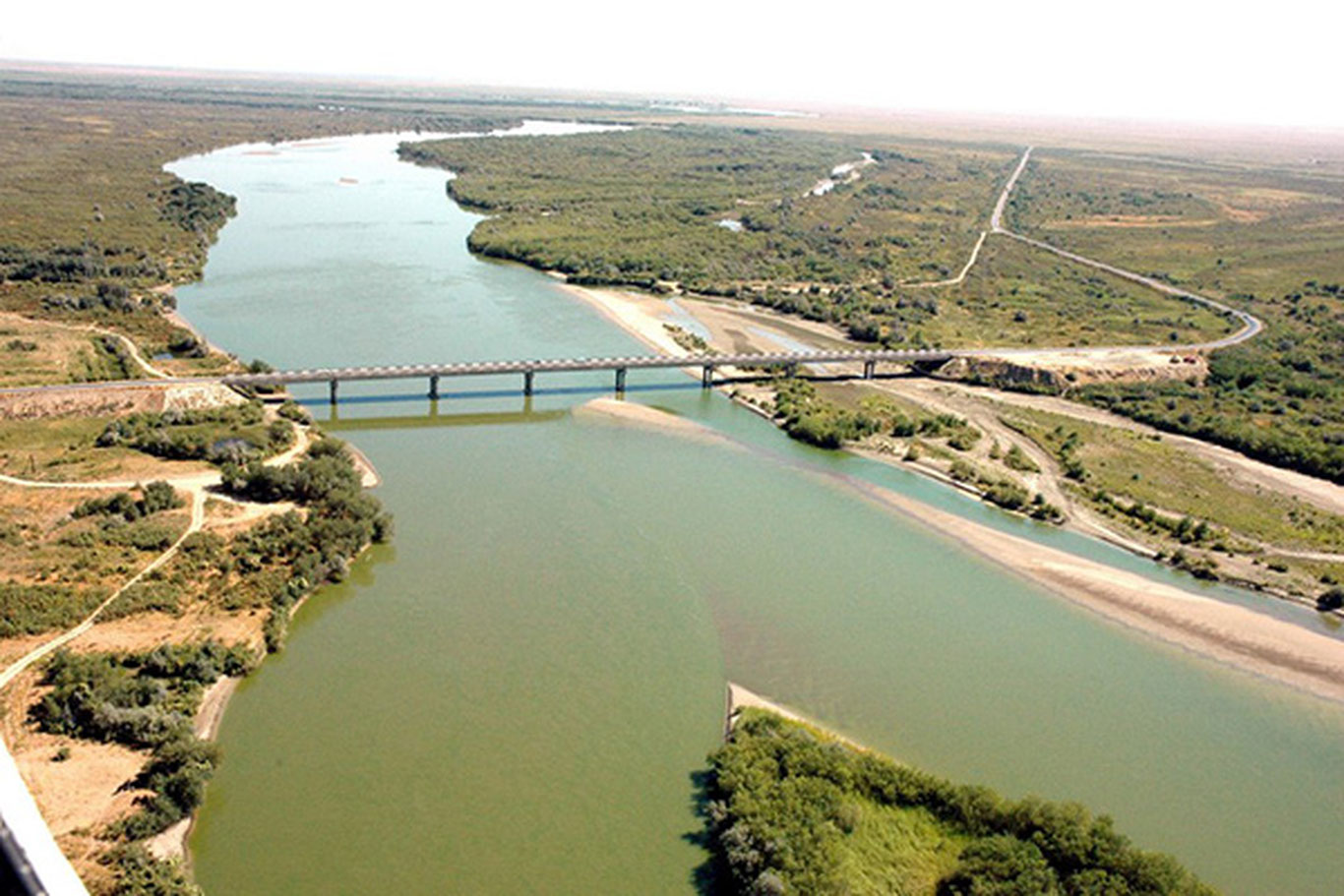
During a scientific study conducted on the Syrdarya tributaries — the Chirchiq and Qoradaryo rivers — microplastic particles were found in the organisms of 60.7 percent of the fish studied. The research was carried out in collaboration with scientists from Tomsk State University in Russia, the Institute of Zoology of the Academy of Sciences of Uzbekistan, and Andijan State University here.
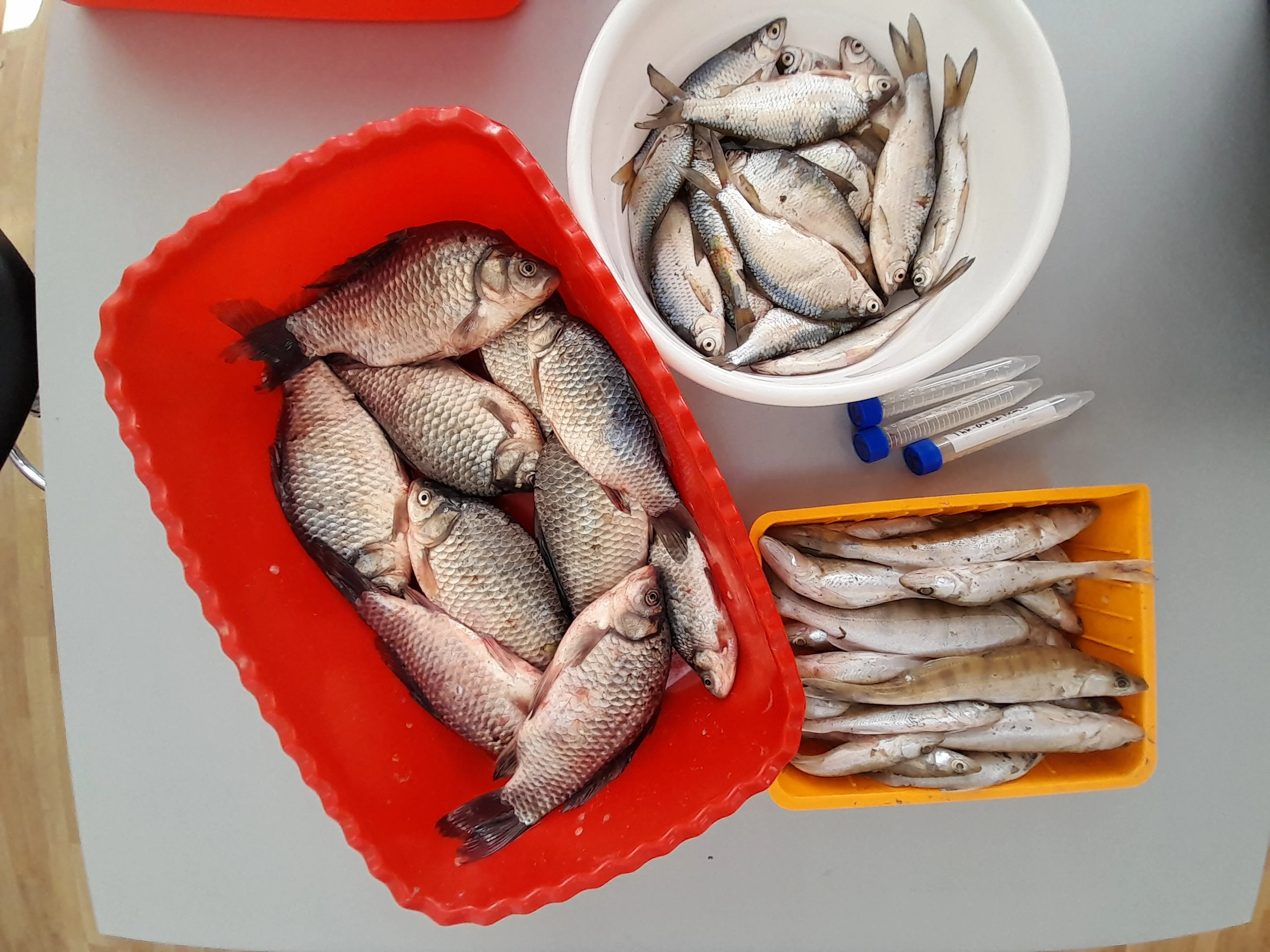
It is reported that scientists analyzed 61 fish of various species. According to the results, each fish organism contained an average of 2.61 microplastic particles, with a total mass of 11.5 micrograms. Calculations indicate that there are an average of 86.3 microplastic particles per kilogram of fish weight. The study also revealed another important conclusion: the larger the fish, the more microplastics accumulate in its organism.
Analyses showed that almost all of the detected particles were not fragments of packaging materials, but very fine synthetic fibers. In the Qoradaryo, 89.7 percent of the identified microplastics were microfibers, while in the Chirchiq, this figure was 93 percent.
According to Yuliya Frank, director of the Center for Research on Microplastics in the Environment at Tomsk State University, this is due to Uzbekistan's developed textile industry and the inability of wastewater treatment facilities to fully capture such fibers.
During laboratory analyses, 15 types of plastic were identified in the fish organisms. Among them, polyethylene terephthalate (PET), polypropylene (PP), and polyamide (PA) were the most common. Semi-synthetic viscose fibers, widely used in the textile industry, were also found.
Using the Polymer Hazard Index (PHI), researchers assessed the environmental risk as moderate. However, the presence of certain types of plastic, such as polyacrylonitrile (PAN), polyurethane (PUR), and polyvinyl chloride (PVC), could increase the risk, as the monomers in these substances have carcinogenic, mutagenic, and allergenic properties.
Experts note that microplastics cause both physical and chemical harm to fish. Hard synthetic fibers can damage the digestive system, reduce appetite, and slow development. Chemical substances in plastics negatively affect the endocrine and immune systems of fish.
The study found that microplastic presence is not dependent on the fish species, sex, or feeding habits. It was found in both predatory and omnivorous fish.
It was also revealed that sediments on the riverbed are more heavily polluted than the water column. According to scientists, this means that plastic particles persist in water bodies for a long time and can transfer to other living organisms through the food chain.