Fisheries and lemon growing: incomes of thousands of families will be increased
In Uzbekistan, it is planned to develop fisheries based on more than 4,000 wells and to build energy-efficient greenhouses on 200 hectares of land.
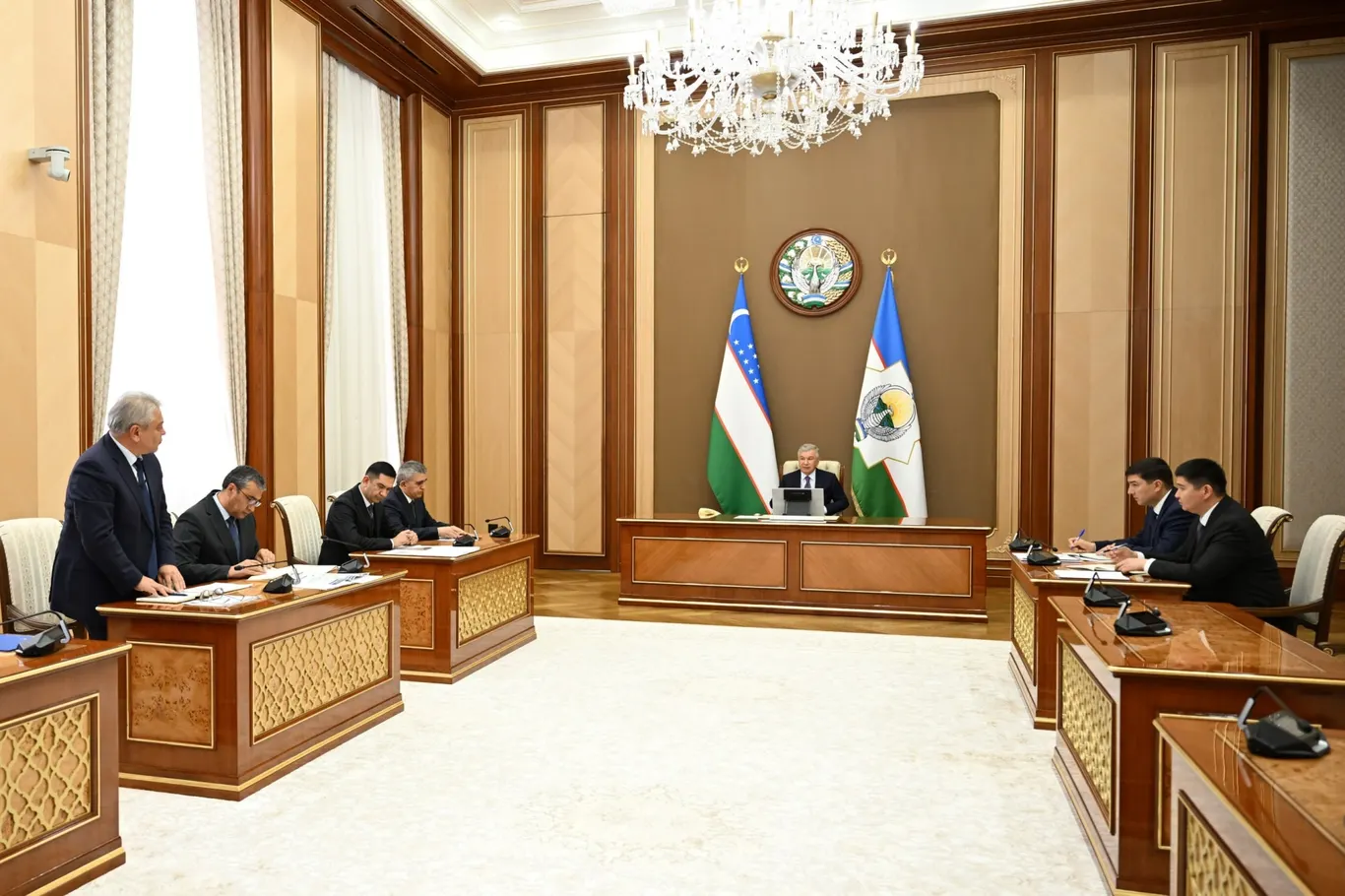
President Shavkat Mirziyoyev reviewed a presentation on the development of intensive fish farming and the establishment of energy-efficient lemon greenhouses. The projects are planned to create new jobs and increase household incomes.
The goal is to produce 1 million tons of fish per year in the country. In this regard, a proposal was made to establish intensive fish farming complexes around 24 vertical drainage wells in the Baliqchi district of Andijan region.
The projects, each occupying 50 sotik of land, envisage producing at least 30 tons of trout per year and creating 10 jobs. It was also proposed to establish a holding company to manage fish farming processes within a single system.
In order to apply the Baliqchi experience in other regions, more than 4,000 vertical drainage wells across the republic will be surveyed by March 1, 2027. It is planned to transfer wells suitable for fish farming to leading entrepreneurs for management on the basis of public-private partnership. It is also envisaged to implement projects for the farming and processing of cold-water fish in Xonobod, and fish farming projects based on water reservoirs in Ulug'nor.
The presentation also addressed the development of lemon growing. It is planned to build energy-efficient greenhouses on 100 hectares around nine mahallas in Baliqchi district and offer them to entrepreneurs ready-made. The processes from lemon cultivation to its processing, packaging, storage and sale will be integrated into a single cooperative system.
According to preliminary estimates, at least 1,000 people from local families will be employed in 500 greenhouses. The opportunity to earn additional income by growing intercrops until the lemon saplings bear fruit will also be created.
Based on the Baliqchi experience, it is planned to build energy-efficient greenhouse complexes on a total of 200 hectares in the regions next year. Through this, it is envisaged to cover poor families and the unemployed and increase the incomes of 2,000 families.
At the end of the presentation, the head of state gave instructions to the responsible officials on financial support for the projects and on covering the costs of training the population in fish farming and lemon growing.