New public parks will be established in 9 districts of Tashkent.
The President familiarized himself with proposals on urbanization processes and expanding green areas in the capital.
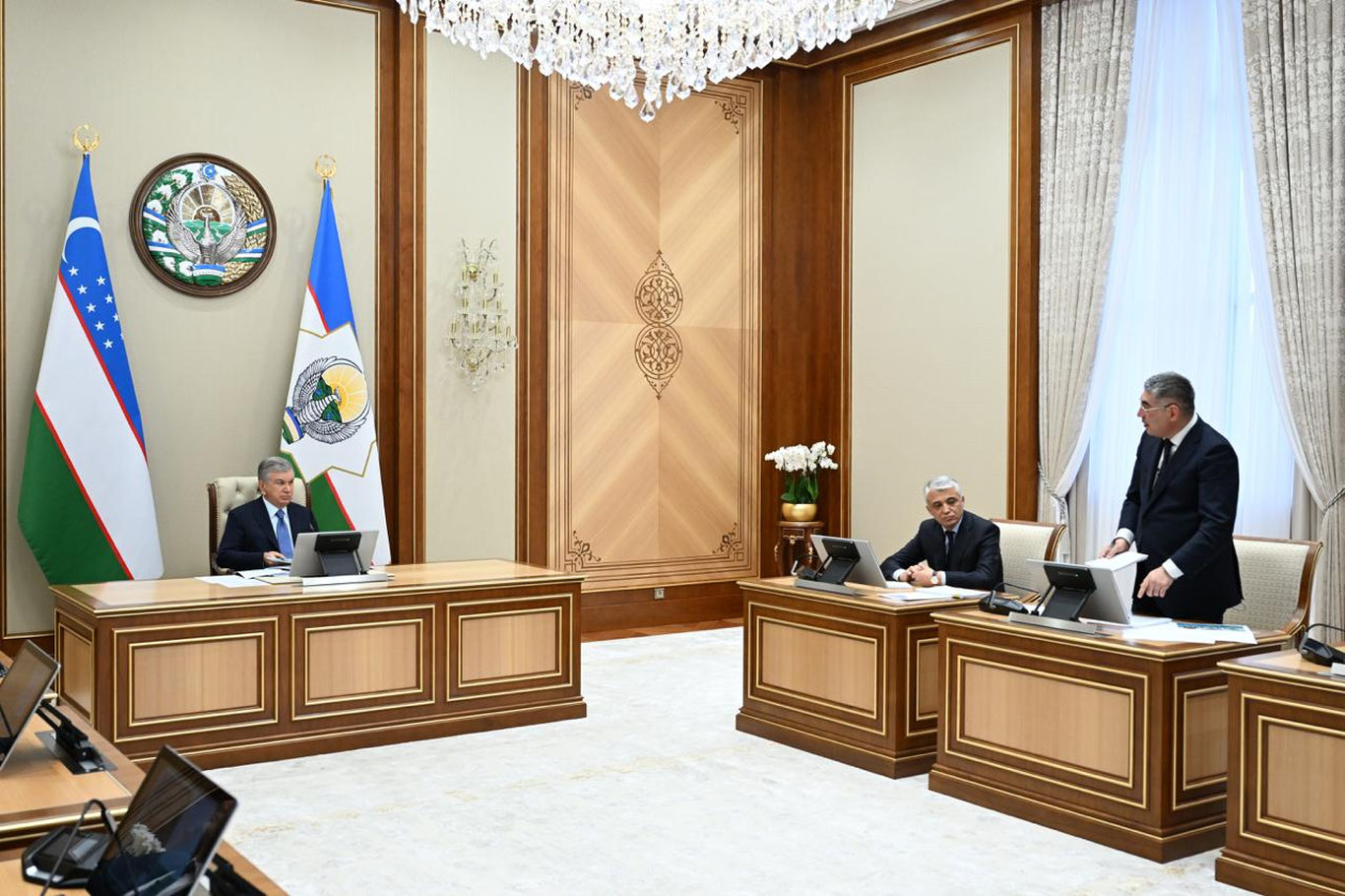
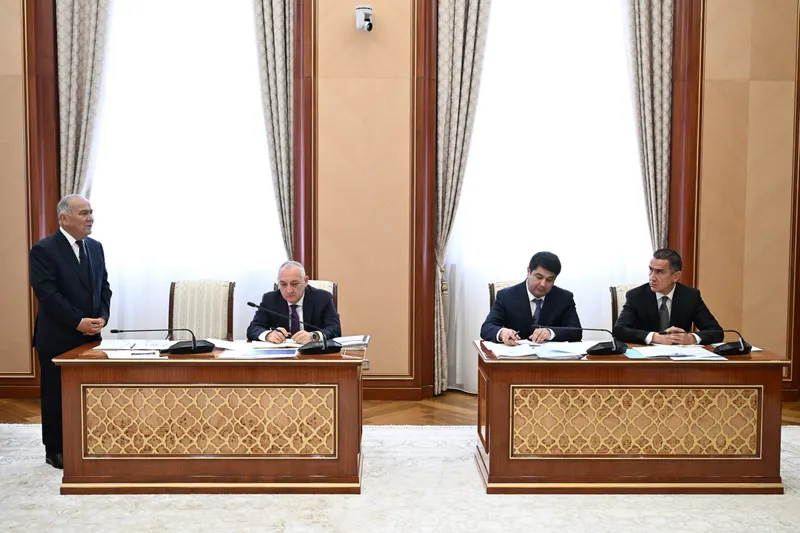
President Shavkat Mirziyoyev reviewed proposals for developing urbanization processes and expanding green areas in Tashkent city.
In recent years, the capital's economy and agglomeration have grown rapidly, and Tashkent's permanent population has exceeded 3.1 million. At the same time, it is forecast that by 2045, the city's population will more than double. This requires developing urbanization processes in proportion to the load on housing, transport and logistics, engineering networks, and social infrastructure.
Furthermore, expanding green areas has been identified as a priority task to improve the urban environment and enhance the quality of life. Specifically, the goal is to triple the area of green zones in and around Tashkent city to 25,000 hectares and increase the per capita green space from 3 square meters to 6 square meters.
During the previous period, 85 project proposals with a total construction area of 2,679 hectares were submitted by initiators. The presentation provided information on the results of a comprehensive review of these projects.
During the review, special attention was paid to evaluating each project based on a unified urban planning approach, the possibility of creating green areas on at least 30 percent of the territory, the comprehensive renewal of outdated areas through renovation, and abandoning the practice of small and dense construction on plots of land up to 1 hectare.
Based on the review results, it was proposed to approve the implementation of 18 projects, to approve 12 projects with adjustments to their land area, number of floors, and project concept, and it was found necessary to completely revise 54 projects conceptually.
Plans to expand the "New Generation" special industrial zone in Yangihayot district were discussed. It was noted that this is important for gradually relocating large industrial enterprises from the center of Tashkent city and placing production facilities that create high added value and meet environmental requirements.
As a result of implementing the approved projects, it is expected that an additional $1.5 billion in gross regional product from construction, 3.5 trillion soums in budget revenues, and 260,000 jobs will be created annually.
The presentation paid special attention to issues of expanding green areas.
It was emphasized that projects must include green areas on at least 30 percent, i.e., 400 hectares, of their territory. Furthermore, plans to create separate new public parks with a total area of 134 hectares in 9 areas of Tashkent city were reviewed and approved.
It was stated that funds from infrastructure fees collected from projects should be used primarily for creating new green areas, with the remainder allocated to building urban infrastructure facilities.
Our President gave instructions to officials on developing urbanization processes in the capital in conjunction with public interests, a healthy environment, and environmental requirements.