The procedure for collecting debts for utility services in Uzbekistan has been simplified.
Additionally, for a number of debts, citizens have been prohibited from withdrawing funds from their bank accounts, but deductions from wages and pensions have been preserved.

The mechanism for collecting certain types of debts has been simplified by a law signed by the President of Uzbekistan on April 20. The document came into force from the moment of its official publication.
Based on the document, amendments and additions were made to the law "On the Execution of Court Documents and Documents of Other Bodies," and the scope of debts subject to the simplified enforcement procedure was expanded.
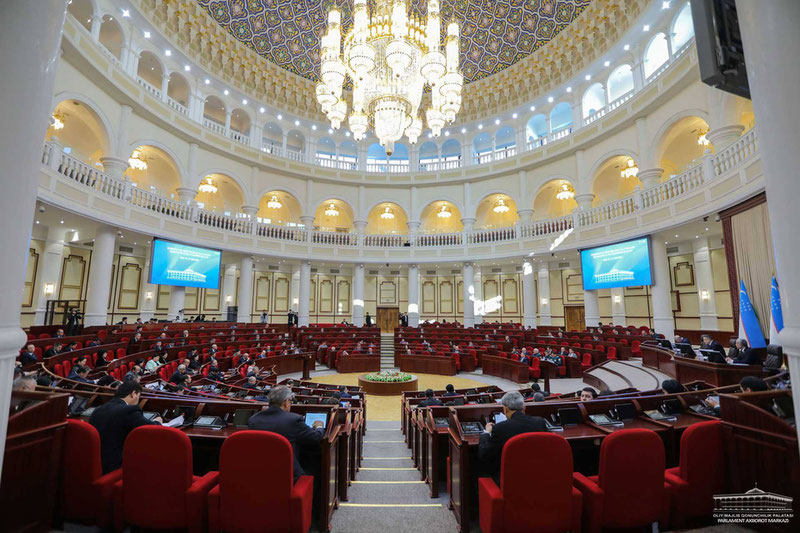
The draft law was previously adopted by the Legislative Chamber on August 12, 2025, and approved by the Senate on October 31.
According to the document, the simplified procedure, which was previously applied only to certain mandatory payments, will now also apply to the following liabilities:
- payments for utility services;
- mandatory contributions for multi-story buildings, i.e., "apartment fees";
- postal and video conferencing costs;
- any recoveries up to 5 times the BHM (up to 2.06 million soums).
At the same time, this procedure does not apply to criminal fines in the form of penalties or documents subject to immediate execution.
Furthermore, the forced withdrawal of funds from citizens' bank accounts is prohibited. This cancels the authority of state enforcement officers to automatically withdraw money from bank cards.
However, other mechanisms for debt recovery have been preserved. In particular, the debt amount can be withheld from a citizen's salary, scholarship, pension, or other income based on enforcement documents.
In this case, the amount withheld must not exceed the minimum wage.
The simplified enforcement procedure allows for debt collection without visiting the debtor's place of residence. The processes are mainly conducted remotely through banking systems and information technologies.
In such a procedure, drastic measures such as seizing property or restricting travel abroad are not applied. After a notice is sent to the debtor, they are given 5 working days to voluntarily pay the debt. If the debt is not paid within this period without valid reasons, forced collection begins, and an enforcement fee is additionally charged.