"Temur tuzuklari" has been translated into Belarusian for the first time.
Furthermore, it has been determined that the work will be published in Persian, Arabic, Chinese, English, French, Spanish, and Russian.
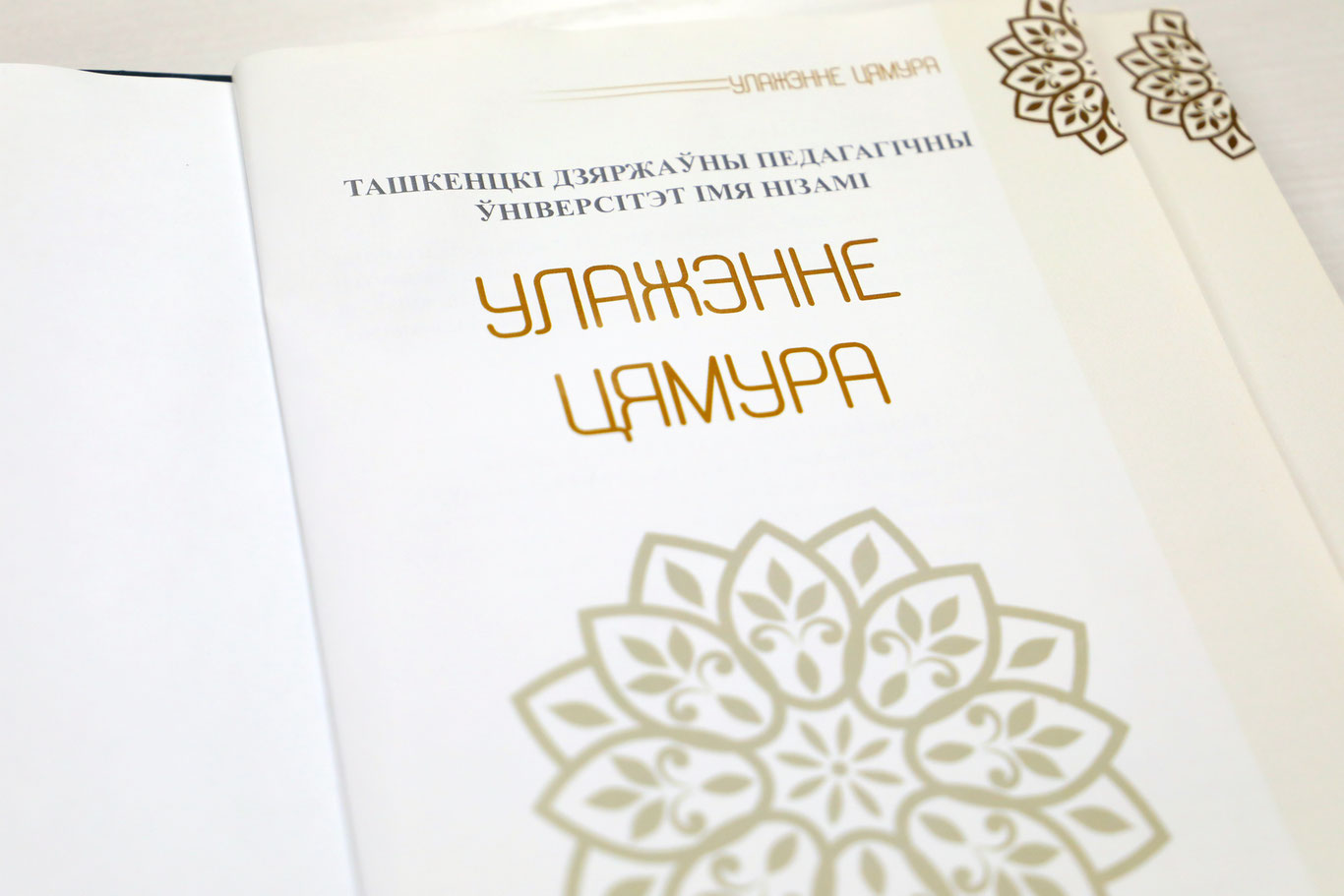
The work "Temur's Rules" has been translated into the Belarusian language for the first time and published under the title "Ulajenne Tsyamura". The project was implemented on the initiative of the Joint Higher School of Innovative Pedagogy, established in cooperation between the Nizami Tashkent State Pedagogical University of Uzbekistan and the Belarusian State Pedagogical University.
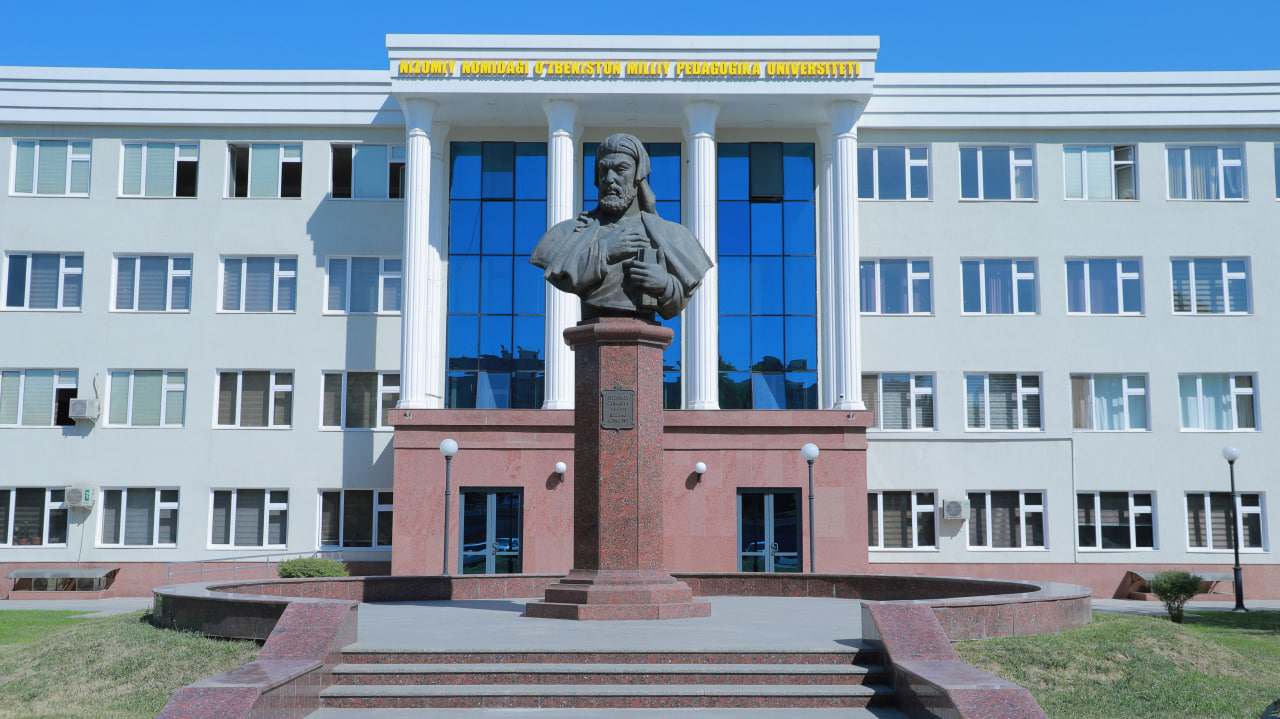
According to experts, this work, which combines documentary, historical, artistic, and autobiographical features, is being translated into Belarusian for the first time. The publication was released within the framework of the "Amir Temur Month" and is expected to serve as an important source for Belarusian readers in studying state governance and history during the era of Amir Temur.
As noted by Professor Omilkhon Ismailov, Dean of the Joint Higher School of Innovative Pedagogy, during collaborative visits to Belarus, a high level of interest was observed among foreign students in great ancestors and their place in world history. In particular, one of the lessons held at the Belarusian State Pedagogical University was dedicated to the history of Sahibqiran and the Timurid state, and the students' interest in "Temur's Rules" left a deep impression.
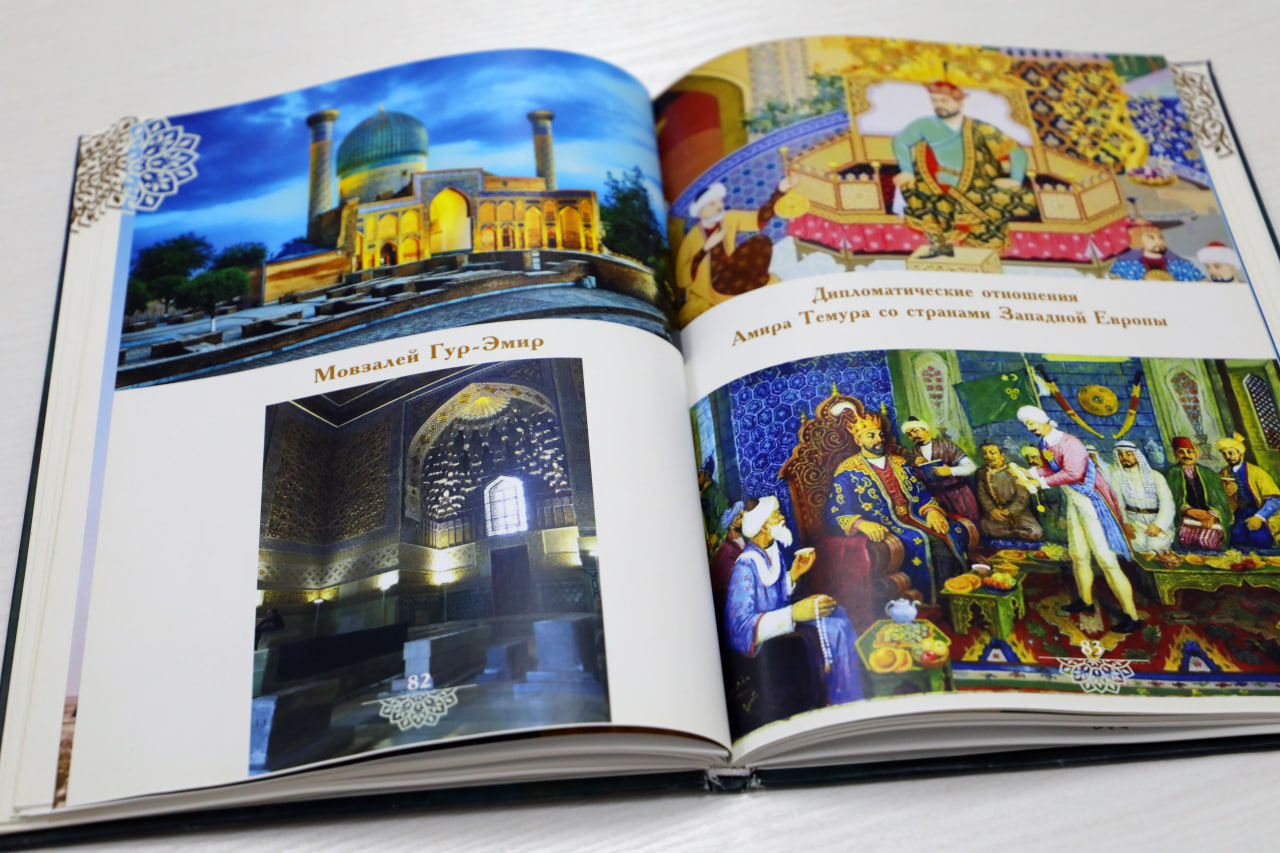
It is reported that the idea of translating the work into Belarusian emerged precisely during this process. As a result of two years of research, the book was translated and published.
According to experts, this publication is of great importance in strengthening spiritual ties between the two peoples, widely promoting historical heritage, and conveying Amir Temur's views on state governance and military art to the younger generation in their native language.
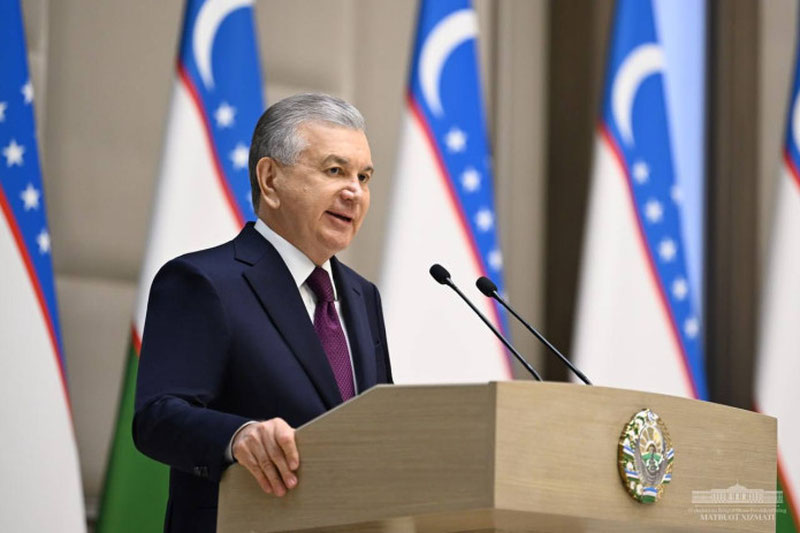
It was also noted that, on the initiative of the President, a "roadmap" is being implemented to publish "Temur's Rules" in a number of foreign languages and to digitize rare manuscripts by 2030.