In Fergana, the poverty rate decreased to 5.2 percent.
Gross regional product increased by 1.7 times, industry by 1.5 times, and services by 3 times. Unemployment decreased from 9.2 percent to 4.6 percent.

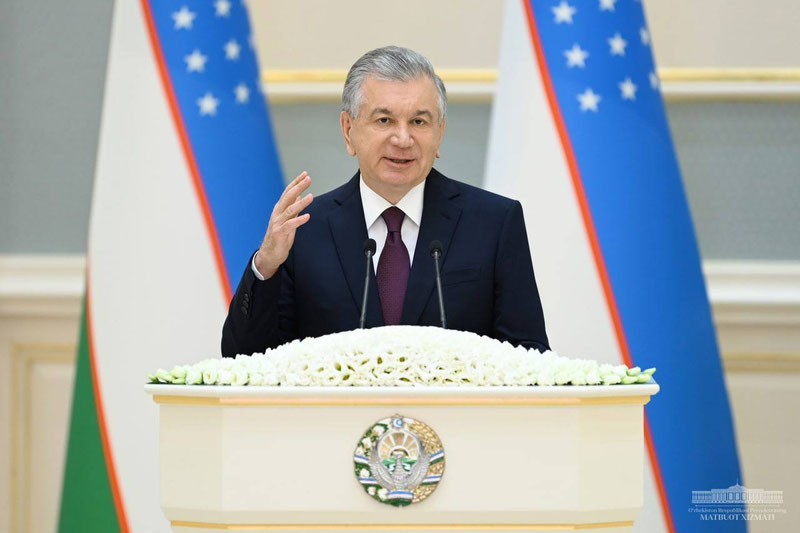
In the Fergana region, the poverty rate has dropped from 11.6% to 5.2% over the past 4 years. President Shavkat Mirziyoyev announced this at a meeting on the socio-economic development issues of the Fergana region.
At the beginning of his speech, the head of state highlighted the changes that have occurred in the region's economy in recent years.
It was reported that previously, 70% of the region's income was generated by 6-7 large enterprises in the petrochemical and construction materials sectors.
During the past period, 8,000 modern capacities were launched in the region through investments worth $8.2 billion, 100 trillion soums in resources were provided for entrepreneurship, commercial space increased by 10 million square meters, and 13,500 small and medium-sized enterprises were established, nearly doubling their number.
As a result, the gross regional product increased 1.7 times, industry 1.5 times, and services 3 times. Most importantly, over the past four years, unemployment fell from 9.2% to 4.6%, and the poverty rate dropped from 11.6% to 5.2%.
Because governors were given very significant opportunities regarding the local budget, an additional 5-10 billion soums remained in each district in the first quarter of this year.
In one year, in the Ipakchi and Qirguli neighborhoods alone, 2,500 multi-story apartments were built on the sites of 241 old houses. This year, another 6,500 families will move into the "New Uzbekistan" residential complex being built in the Navruz neighborhood of Margilan.
Such work is also progressing rapidly in Yozyovon and Quva districts, as well as in the cities of Kokand and Fergana.
Over the past ten years, schools with 74,000 places, kindergartens with 145,000 places, and hospitals with 3,000 beds have been launched in Fergana. At the same time, 167 private schools have appeared, where over 40,000 students are studying.
Due to a sharp improvement in the quality of education, the region has risen to 3rd place in the republic in terms of the rate of youth admission to higher education institutions.