Uzbekistan's initiative on a global scale: an international day for the memory of earthquake victims
A national educational platform for preparing the population for earthquakes has been launched in Uzbekistan. Through it, over 7 million citizens have acquired relevant knowledge.
In recent years, consistent measures have been implemented in Uzbekistan to protect the population and territories from seismic risk, improve the system for training qualified personnel in the field, and strengthen the material and technical base of the network of stations serving to assess and predict earthquakes.
As is known, earthquakes are considered one of the most destructive among natural disasters. Despite their relatively small share among total disasters, they often lead to severe and tragic consequences.
On March 16, 2023, at the extraordinary summit of the Organization of Turkic States, Uzbekistan put forward an initiative to establish a Day of Remembrance and Solidarity with the aim of commemorating earthquake victims and strengthening international cooperation in this direction.

Based on this initiative, on April 29, 2025, the United Nations General Assembly unanimously adopted a resolution declaring April 29 as the "International Day of Remembrance for Earthquake Victims." This document was highly appreciated by the world community, and its significance is particularly emphasized today in the context of the increasing number of earthquakes.
In accordance with the resolution, UN member states and international organizations are called upon to carry out educational and informational activities aimed at raising public awareness, strengthening resilience, and enhancing emergency preparedness in connection with this date.

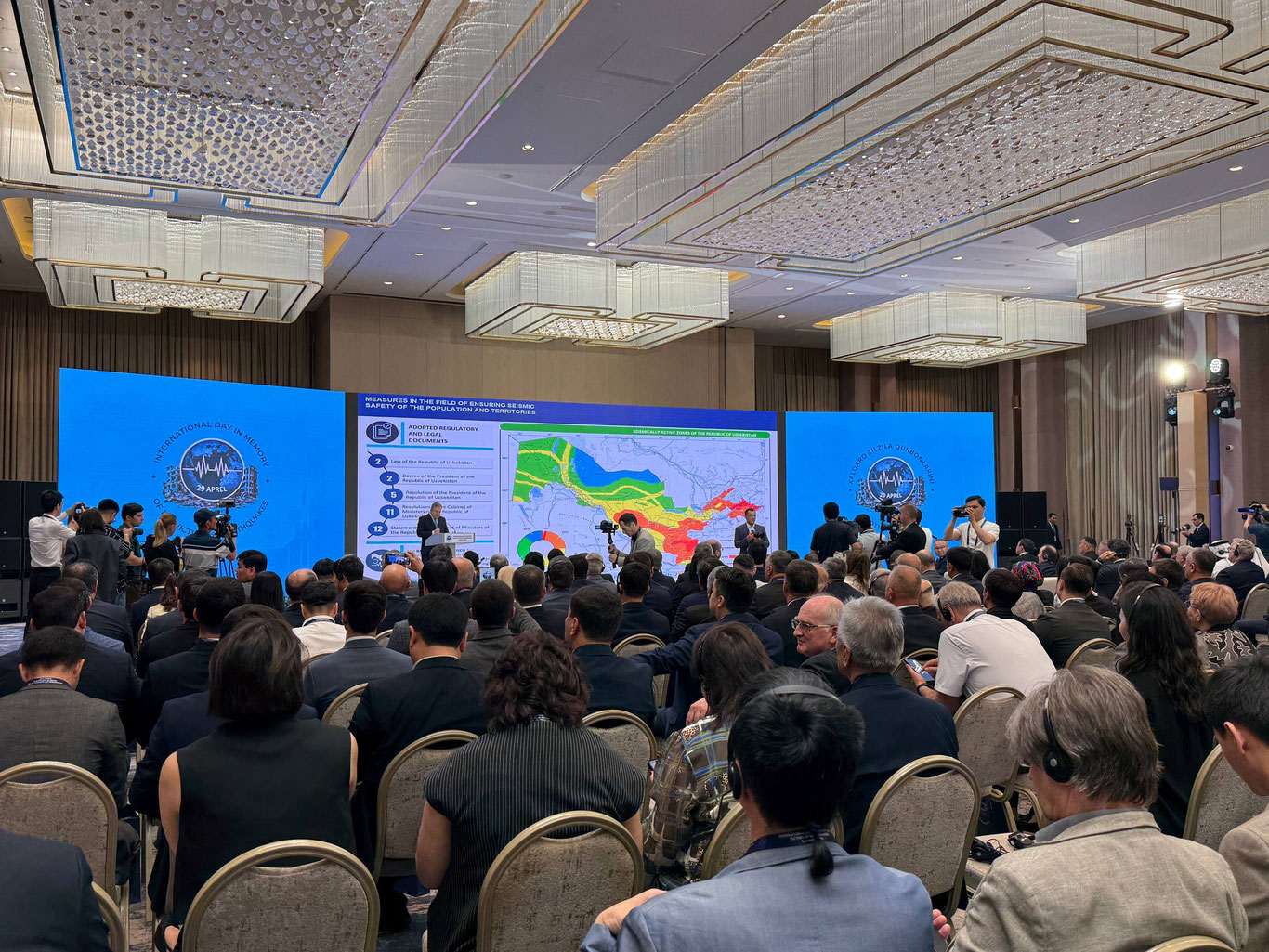
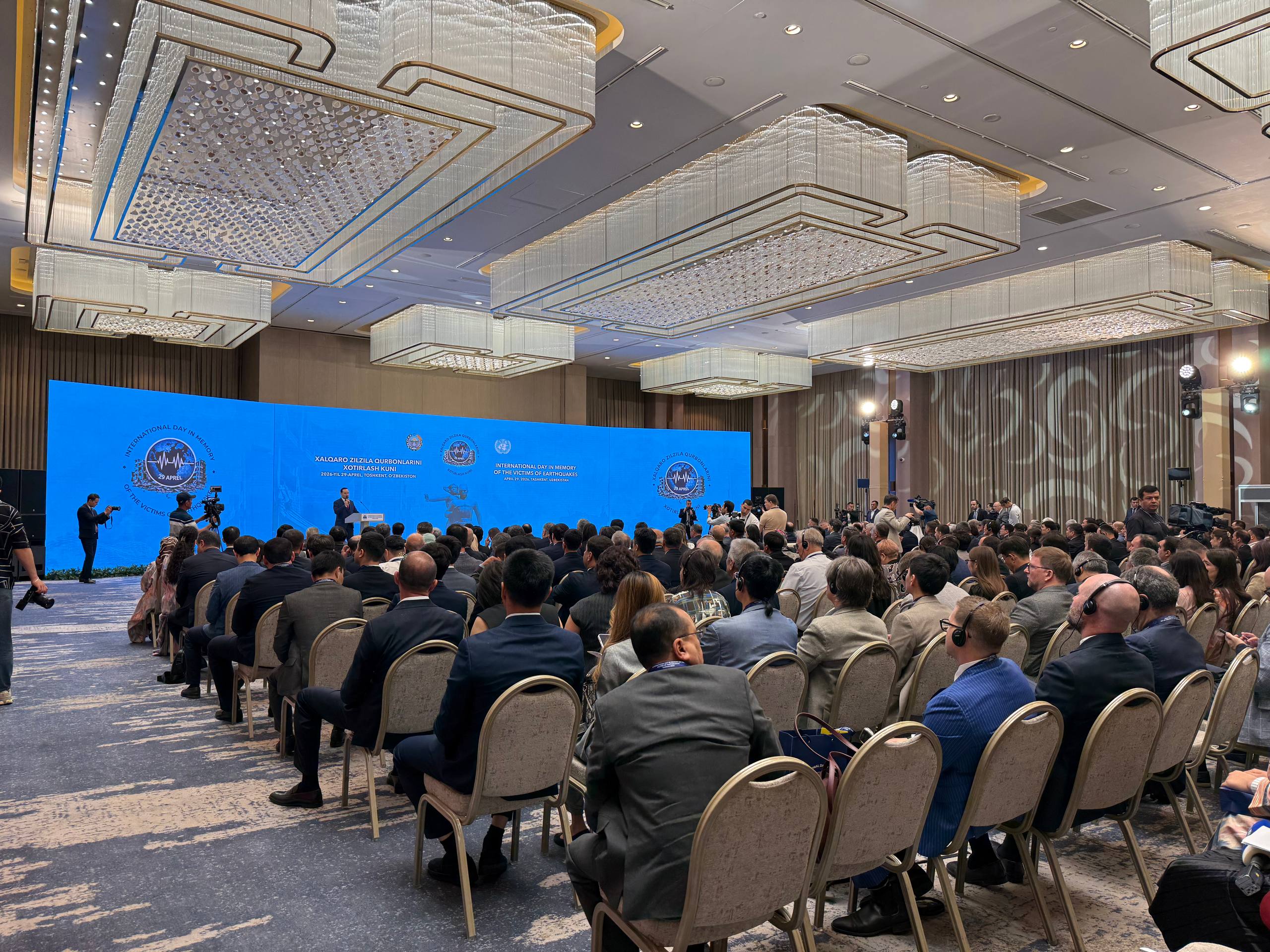
On April 29-30 of this year, this international date was widely observed for the first time in Uzbekistan. The event was also organized in connection with the 60th anniversary of the strong earthquake that occurred in the city of Tashkent in 1966.
Over 100 experts from nearly 30 countries are participating in the international conference. At the opening ceremony, Minister of Emergency Situations A. Ikramov, Special Representative of the UN Secretary-General for Disaster Risk Reduction Kamal Kishore, Japanese Ambassador to Uzbekistan Kenji Hirata, as well as representatives of international and regional organizations, attended and delivered speeches.

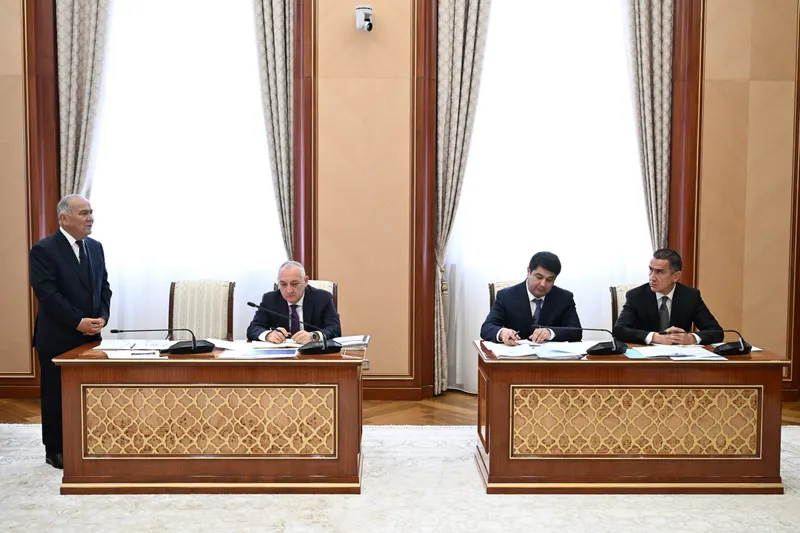
Furthermore, within the framework of a project aimed at strengthening the disaster risk reduction system in the Central Asian region, dialogues were held with the participation of representatives from a number of countries, and a joint statement was signed among the ministers of emergency situations.
Within the framework of the conference, advanced foreign experiences were exchanged, modern approaches were discussed, and priority directions for strengthening cooperation at the regional and global levels were identified.
"Using mobile simulators, practical exercises covering more than 1 million people were conducted. They were taught skills on how to act before, during, and after an earthquake," said Minister of Emergency Situations Azizbek Ikromov.
Experts emphasize that for the further development of seismology, it is important to create a unified complex system that allows for online monitoring of earthquakes. According to First Deputy Prime Minister Ochilboy Ramatov, the number of monitoring stations has increased from 35 to 250 over the past 5 years, i.e., nearly 7 times.
Also, integrated with global seismic monitoring systems, real-time data exchange has been established with stations in Kazakhstan, Kyrgyzstan, and Tajikistan through the SeisComP5 program.
It is worth noting that the "International Day of Remembrance for Earthquake Victims" not only has humanitarian significance but also serves as an important dialogue platform that strengthens solidarity between states and international organizations, facilitates the exchange of knowledge and experience, and contributes to the further improvement of the seismic safety system.