The emission of harmful substances from enterprises in Uzbekistan has been reduced.
25 mechanical fuel cleaning filters were upgraded, and 13.5 MW solar photovoltaic power stations were commissioned.
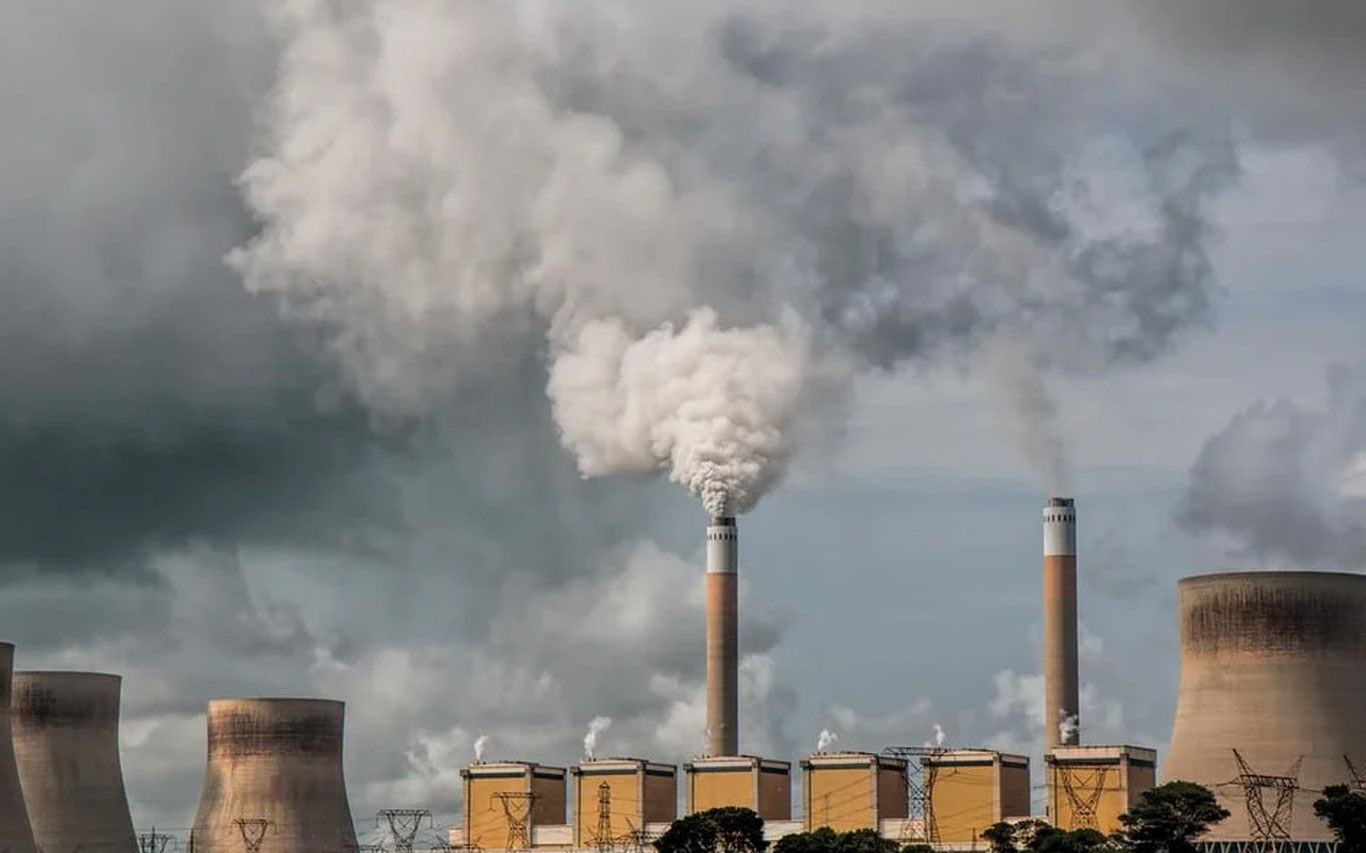
JSC "Thermal Power Plants" received its first ESG rating from Sustainable Fitch agency in the first quarter of 2026.
It was reported that the power plants within JSC "Thermal Power Plants" belong to categories I, II, and III based on their level of environmental impact, and environmental management at all enterprises is established in accordance with the international standard ISO 14001 and ESG (environmental, social, and corporate governance) principles.
As a result of work carried out in the field of ecology and environmental protection, JSC "Thermal Power Plants" received its first ESG rating from Sustainable Fitch agency in the first quarter of 2026. The company recorded a score of 50 points, demonstrating established institutional foundations in the field of sustainable development.
Based on the results of the first quarter of this year, due to measures taken at system enterprises, emissions of pollutants were reduced by 1.4 thousand tons and CO₂ emissions by 300 thousand tons compared to the same period last year.
Practical measures were taken to reduce the negative impact on the atmosphere. In particular:
- Within the framework of the "Green Space" program, 19 thousand tree and shrub seedlings were planted in the spring season, fulfilling plans by 190 percent;
- Preventive maintenance work was carried out on dust and gas cleaning equipment;
- 25 mechanical fuel cleaning filters were replaced;
- Solar photovoltaic power plants with a capacity of 13.5 MW were commissioned;
- The conventional vehicle fleet was modernized, and 25 electric vehicles were put into operation;
- A modern emulsion preparation unit was installed at the Syrdarya TPP to optimize the process of burning fuel oil during emergency and extraordinary situations.
Additionally, work is underway to strengthen digital environmental monitoring. Currently, 19 priority sources are equipped with automatic monitoring stations, 11 of which have been integrated into a unified information system, while work on the rest continues.
In sanitary protection zones, a total of 13 eco-posts have been installed, and work is being carried out to gradually integrate them.
Currently, 26 million cubic meters of water are treated annually through 7 water treatment facilities, of which 18 million cubic meters are directed back into production processes.
At the same time, irrigation systems have been extended to 45 kilometers, serving the preservation and development of green areas.
Furthermore, reclamation work was carried out on 2.2 hectares of land, restoring damaged areas.