The "Quva Agrostar" enterprise is creating a new system for growing export-oriented seedlings and fruits.
Today, the "Quva Agrostar" enterprise has established a single chain for the production, storage, processing, packaging, and export of 5,000 tons of 12 types of products per year.
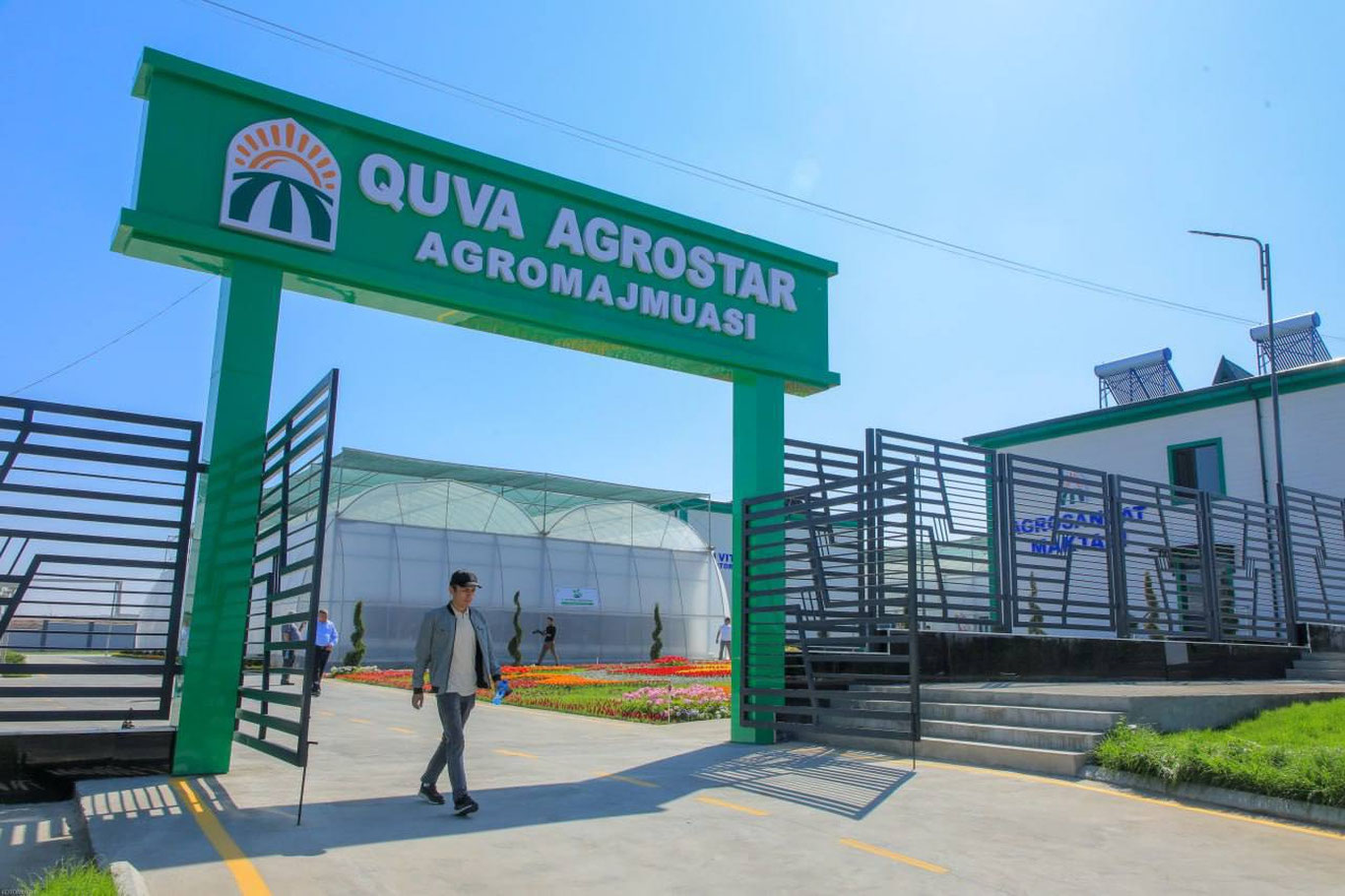
In the Quva district, the long-standing traditional methods of seedling cultivation are now merging with modern agricultural technologies. The "Quva Agrostar" enterprise operating in the district has established a system for growing disease-resistant, certified, high-yield, and export-oriented seedlings using the in-vitro method, based on relevant presidential decrees and resolutions.
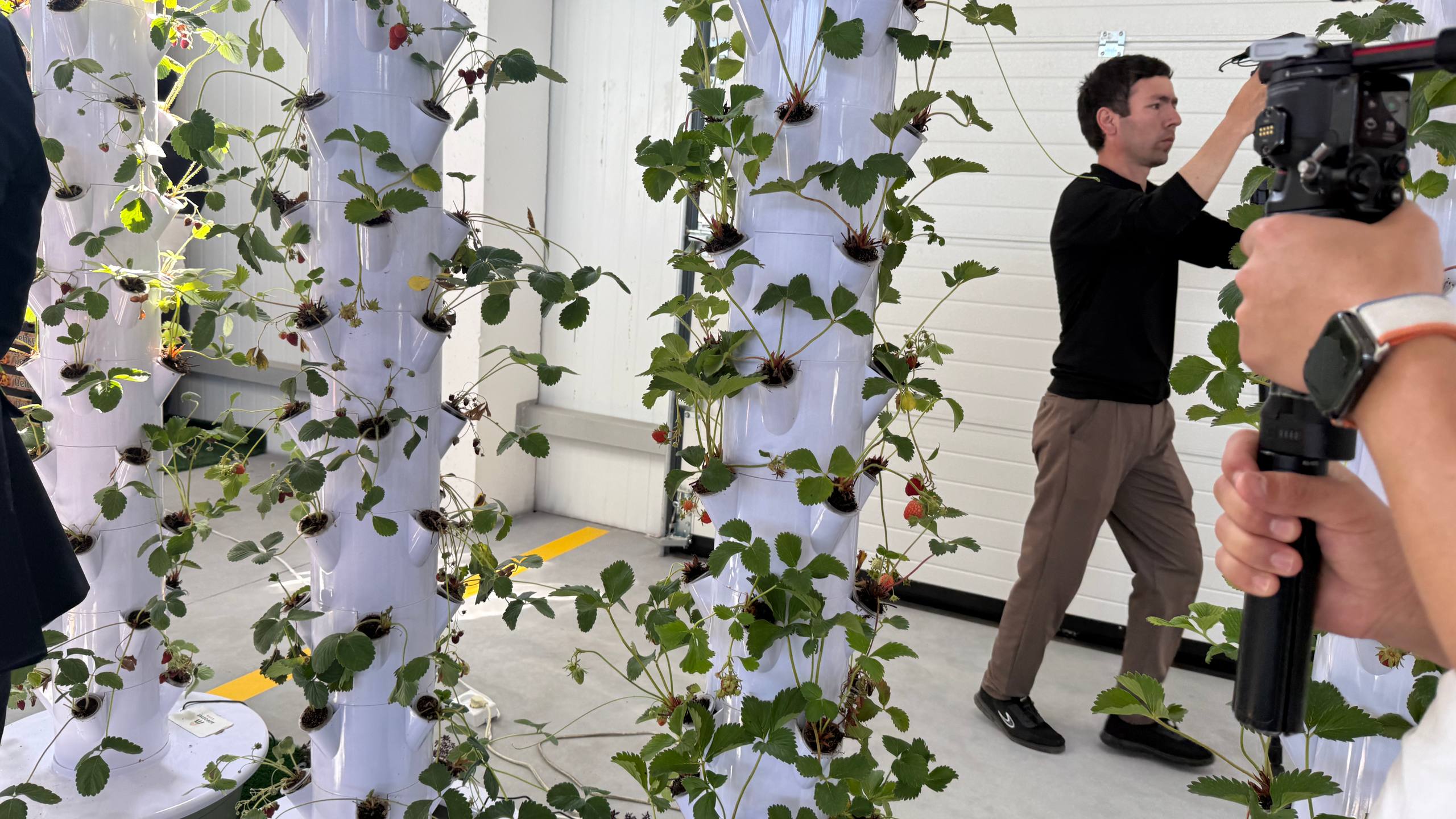
While previously the local population mainly grew seedlings by planting seeds, today, explants prepared in laboratory conditions are transferred to modern cassettes and cultivated step by step based on mineral nutrition, water, and specialized care technologies. This system significantly improves the quality of fruit and ornamental seedlings.
Currently, there is high demand at the enterprise for export-oriented varieties of cherries, peaches, pomegranates, roses, and other fruit and ornamental plants. In particular, cherry varieties like "Burlat" and modern peach types are being expanded. The grown seedlings are subsequently transferred to specialized greenhouses and care areas, and then delivered in ready condition to farmers and households.
The enterprise has also established a cooperation system, providing seedlings to the population on a leasing basis with installment payments over a two-year period. Most importantly, farmers and peasants start their work knowing in advance which varieties will be in demand. The enterprise's marketing department analyzes the international market and forms orders based on future export demand. This reduces risk and guarantees a buyer for the product in advance.
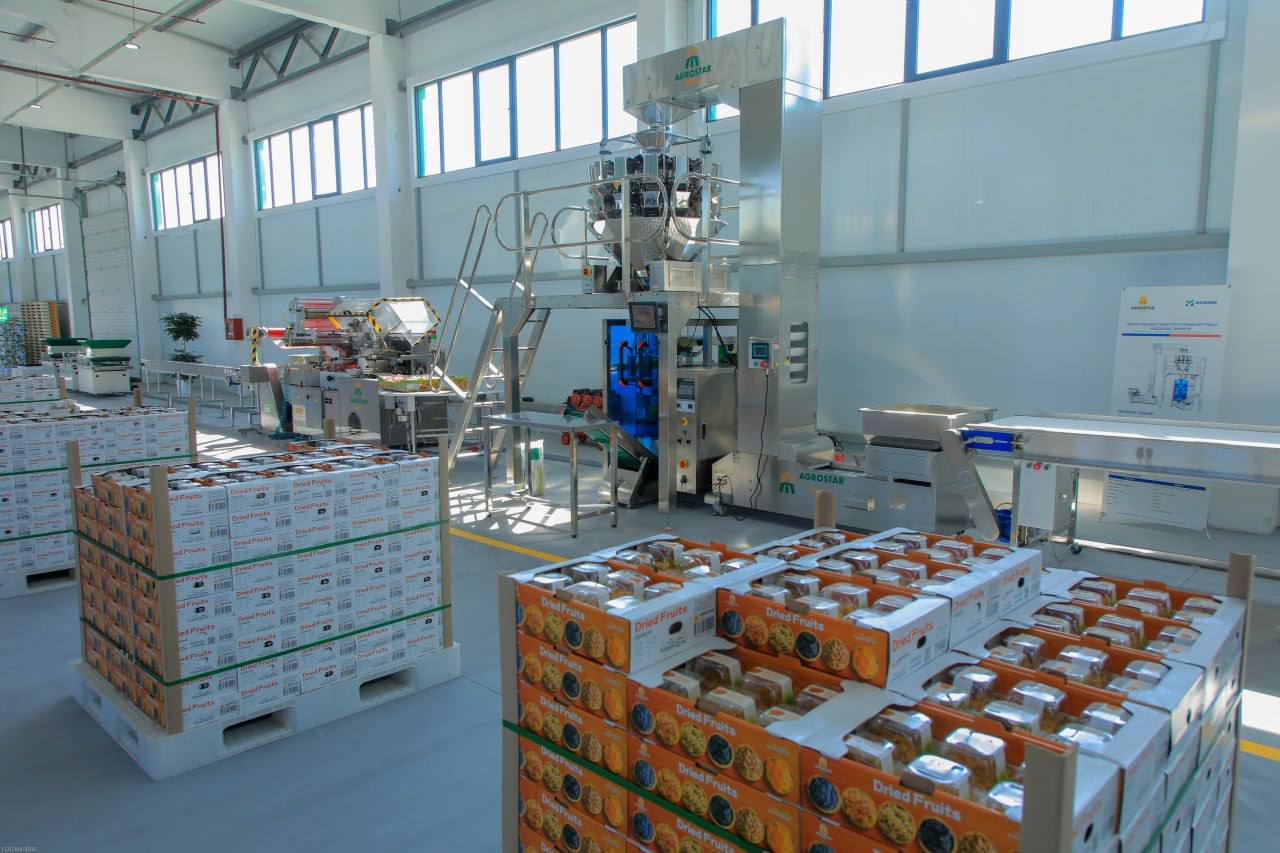
Today, the "Quva Agrostar" enterprise has organized the cultivation, storage, processing, packaging, and export of 5,000 tons of products across 12 types per year as a single chain. The enterprise has implemented modern technologies imported from Italy, Spain, Germany, and China.
Furthermore, the fact that the enterprise operates based on international certifications such as Global GAP, ISO 22000, Halal, and HACCP serves to strengthen product quality and the reputation of the national brand.
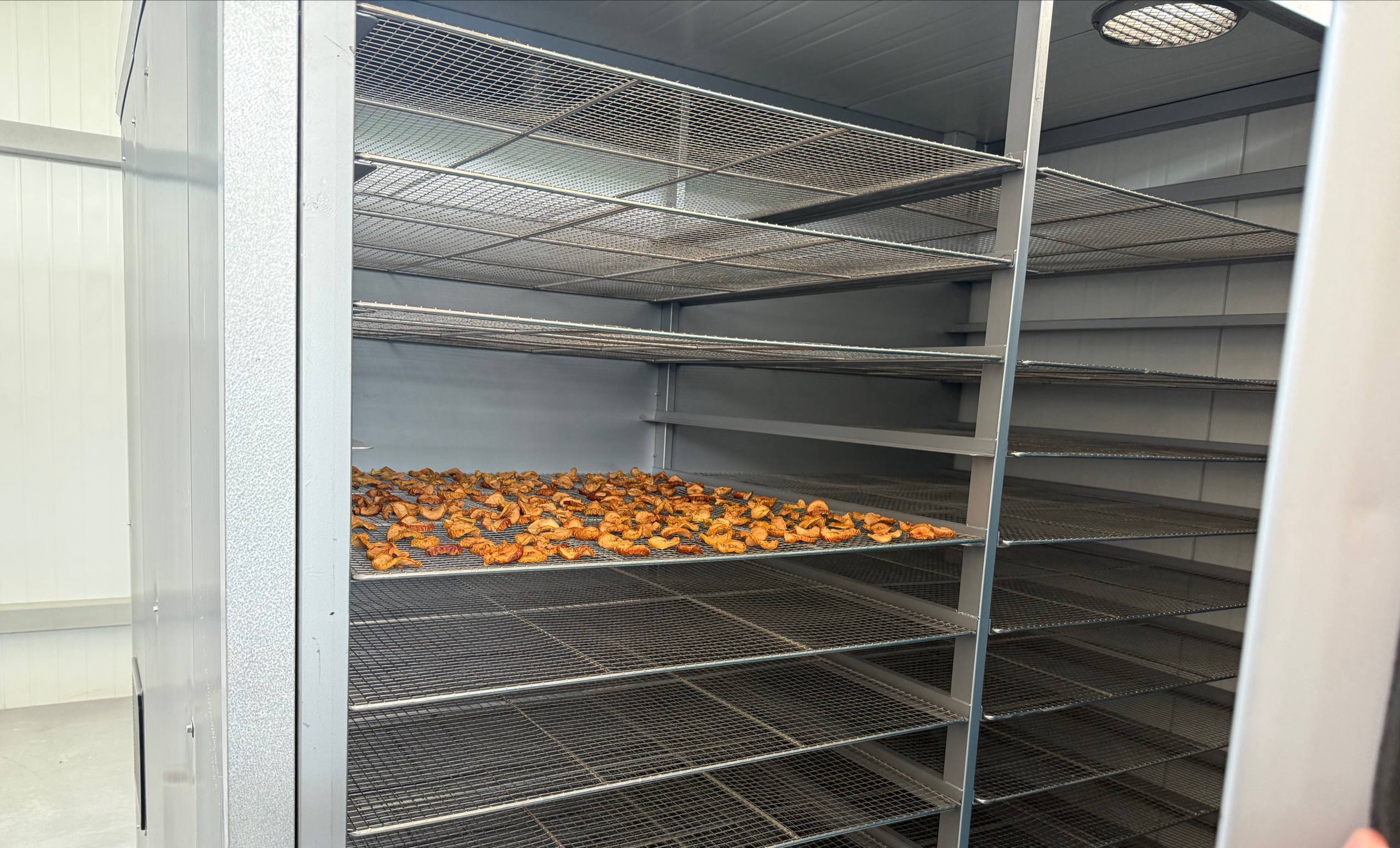
As a result of this systematic approach, in 2025, exports were carried out for the first time via air freight to demanding markets such as Japan, South Korea, and the United Kingdom. Specifically, dried products prepared from the "Chilim barmoq" variety of pomegranate were delivered to the English market.
According to data, while the export volume to Japan and England reached 1 million dollars, export contracts totaling 15 million dollars have been signed with three countries up to 2027. By the end of the current year, it is planned to export products worth 25 million dollars to foreign markets.
The enterprise has established cooperative ties with 3,000 households in 33 neighborhoods and 1,000 peasant farms in the district. As a result, the population is being provided with practical skills to earn up to 250 million soums from a 10-sotik plot of land.
According to experts, this system serves as an important factor not only in increasing export volumes but also in boosting employment and incomes for the rural population.