It was proposed to introduce the "zero bureaucracy" principle to 783 public services.
Through this, 550 types of public services will be transferred to electronic form, and the service delivery stages will be reduced by 2 times.
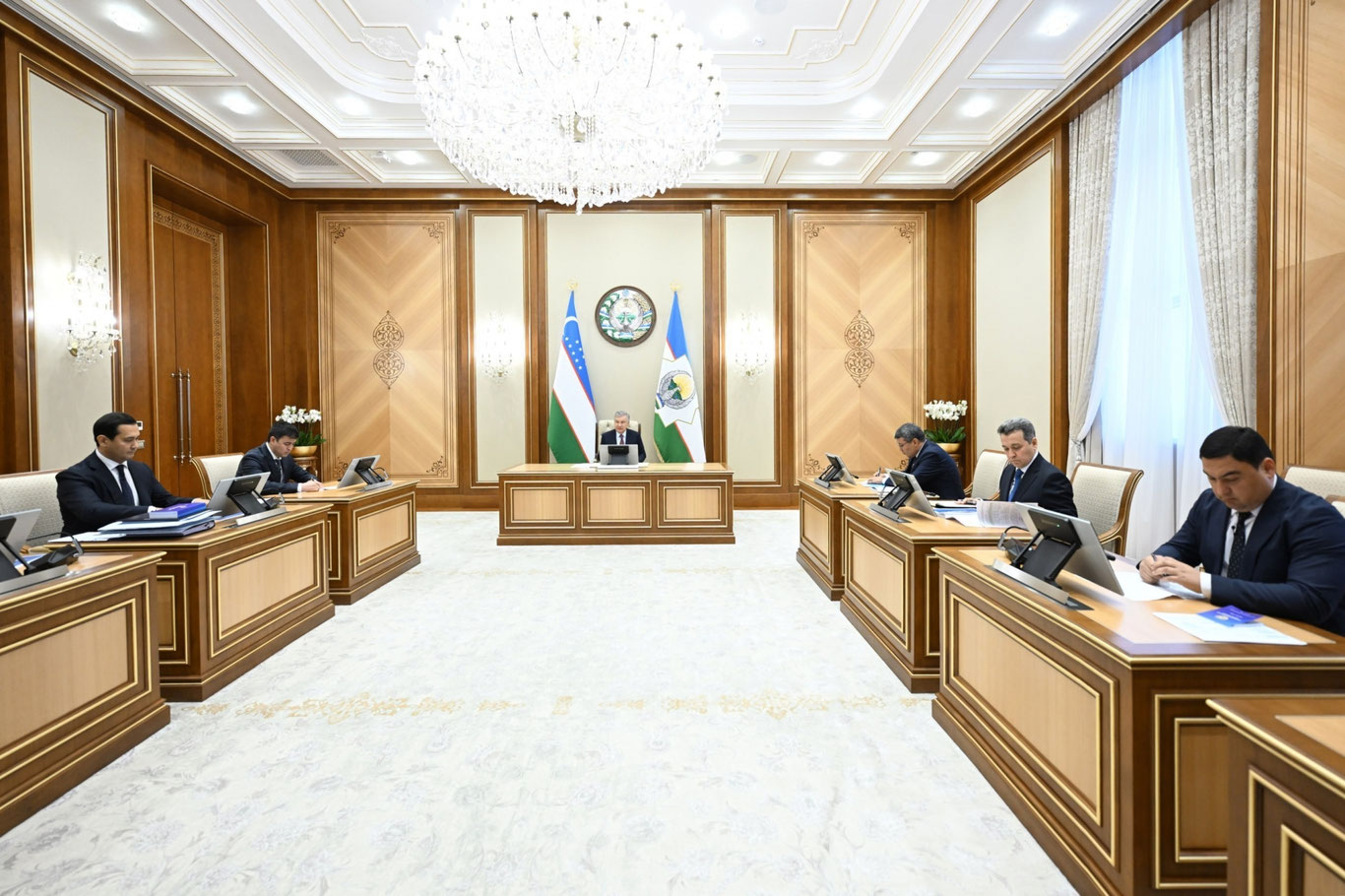
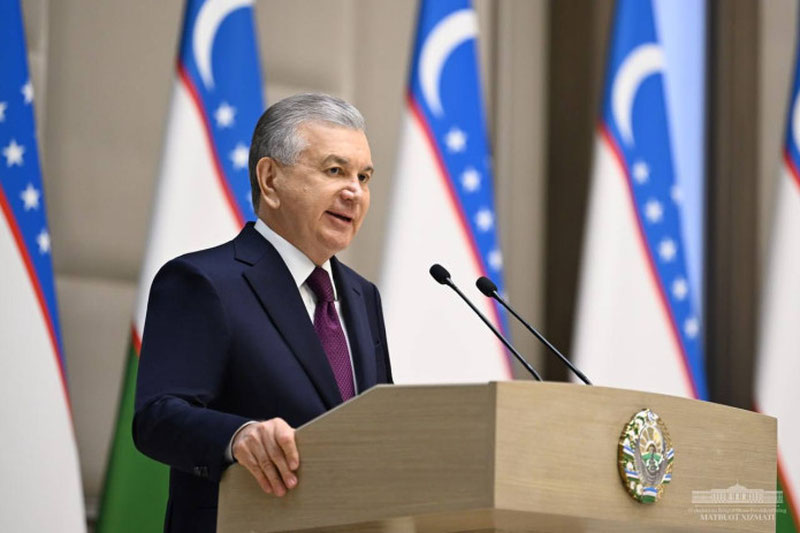
On May 12, Shavkat Mirziyoyev reviewed a presentation on measures to reduce bureaucracy in the field of public service provision. This was reported by the President's press service here.
It was reported that, in cooperation with the United Arab Emirates, the "Eliminating Bureaucracy – 2030" program has been launched with the aim of turning Uzbekistan into a "territory free from excessive bureaucracy" by 2030. A separate project office has been established under the Agency for Strategic Development and Reforms.
Within the framework of the program, it is planned to reduce the functions of state bodies by 30 percent, optimize requirements for businesses by up to 20 percent, and increase the share of electronic public services to over 90 percent.
The presentation reviewed proposals for a fundamental improvement of public services based on the "service state" model. The main focus is on providing public services quickly, transparently, and conveniently, without requiring any unnecessary documents.
In particular, it was proposed to introduce the "zero bureaucracy" principle for 783 public services. Through this, 550 types of public services will be transferred to electronic form, and the stages of service provision will be reduced by half. 80 types of services will be transferred to proactive and composite forms. As a result, the population will save up to 35 billion soums annually in transport costs spent on visiting various agencies.
The provision time for another 80 types of services will be reduced by 2-3 times, with the average time decreasing from 13 days to 6 days.
10 services will be fully automated. Due to the reduction in fees for 25 services, up to 851 billion soums per year will remain at the disposal of the population.
Additionally, it is planned to transfer 10 services to the private sector and digitize 15 types of information and documents. Through this, the practice of re-requesting this information and documents in over 270 services will be eliminated.
Special attention was paid to the issue of revising mandatory requirements. For example, over 500 requirements are scattered across about 20 documents related to market activities. It was noted that by systematizing them, it is possible to optimize more than 30 percent of the requirements.
The possibility of generating a sanitary compliance certificate and a list of employees to be examined through an electronic system was also demonstrated. This will allow saving 1 billion soums of budget funds per year and redirecting 24,000 working hours of employees to practical activities.
According to calculations, reducing the administrative burden will yield a direct annual benefit of $1.5 billion for the economy. Improving the quality of regulation will help attract an additional $800 million in foreign investment.
Due to the simplification of processes between the state and businesses, labor productivity will increase by $750 million per year. Overall, measures to reduce bureaucracy will allow the economy to grow by an additional $13 billion in 2026-2030.