The President proposed declaring Samarkand the "Green Investments and Innovations Capital of Central Asia."
The President of Uzbekistan sent congratulations to the participants of the eighth assembly of the Global Environment Facility.
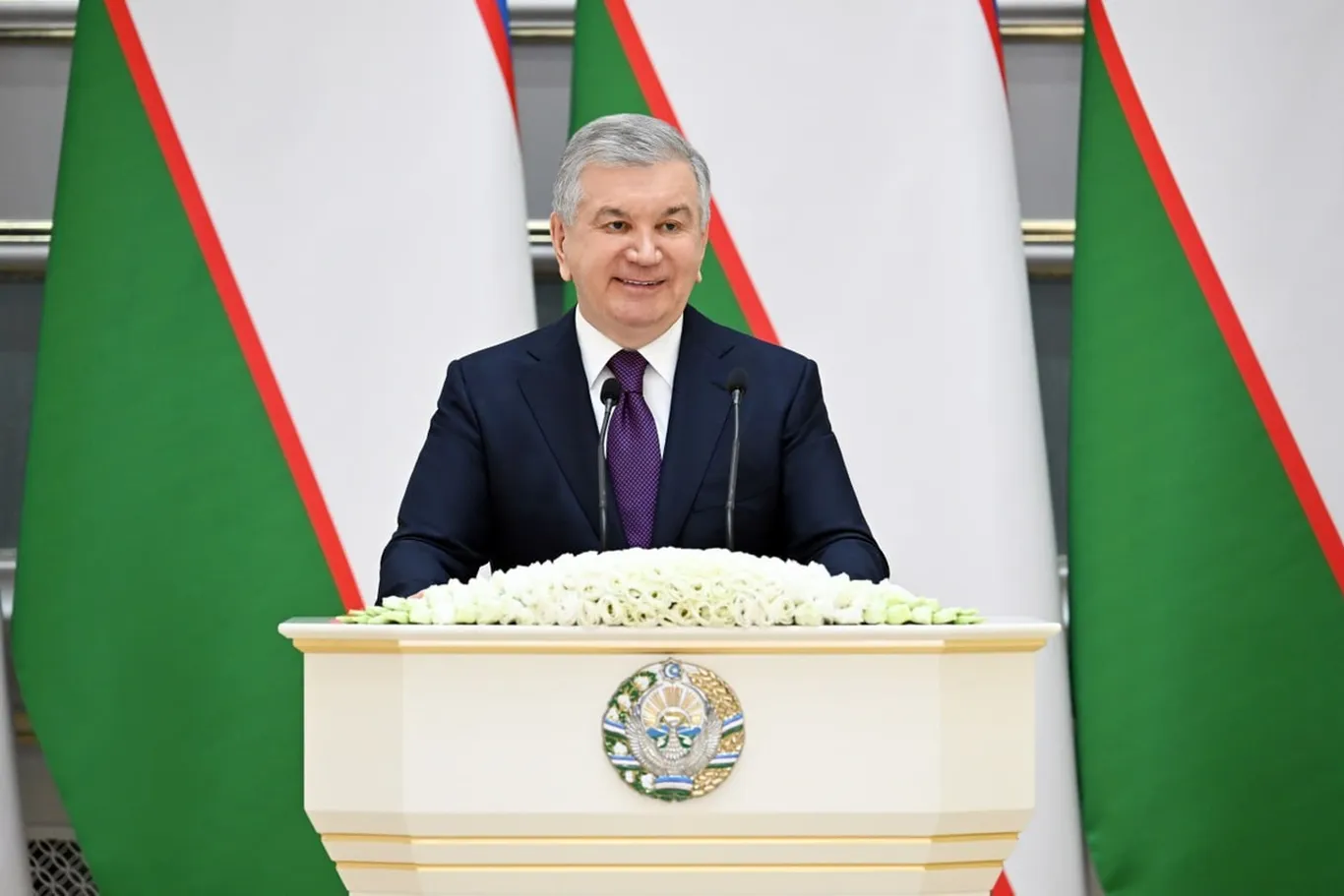
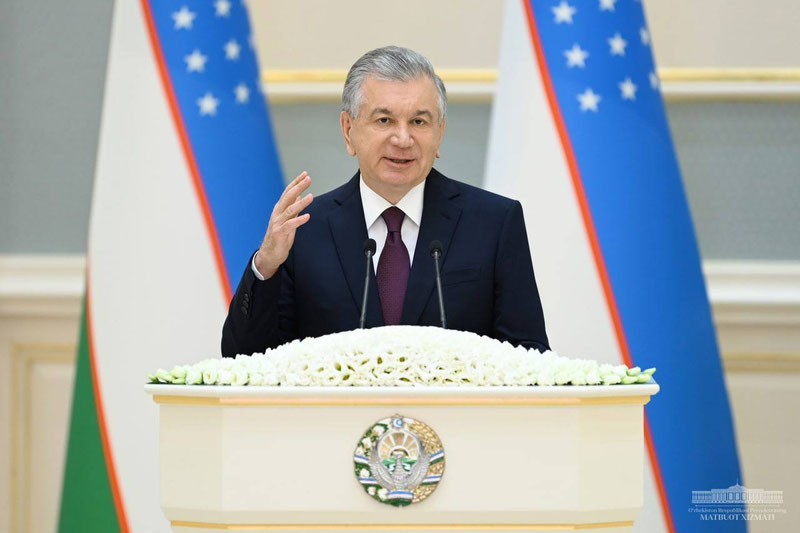
President of Uzbekistan Shavkat Mirziyoyev, addressing the participants of the Eighth Assembly of the Global Environment Facility in Samarkand, put forward a number of new initiatives to combat climate change and environmental problems.
The President stated that environmental transformation is being considered as a new model of development in Uzbekistan, and announced the implementation of five national projects aimed at protecting atmospheric air, preserving biodiversity, managing waste, greening, and developing environmental education.
It was noted that plans are in place to expand the area of protected natural territories to 21 percent of the country's territory by 2030, reduce harmful emissions by 10.5 percent, and establish dendrological and botanical gardens in all regions.
It was also emphasized that new plants for waste processing and energy production from waste will be launched, a unified ecosystem in the field of environmental education and science is being formed, and work to restore degraded lands in the Aral Sea region continues.
The President put forward a number of important initiatives within the framework of the assembly.
First. It was proposed to declare Samarkand the "Capital of Green Investments and Innovations of Central Asia." The goal is to transform Samarkand into a regional center for the "green economy," sustainable development, and climate finance, develop the city as a pilot "green zone," and subsequently apply this experience to other cities of the republic.
Second. While 600 years ago Mirzo Ulugbek turned Samarkand into a center of science, today, in cooperation with the Center for Sustainable Development of Columbia University, the Ulugbek Scientific Research Institute for Sustainable Development is being established under the University for the Study of the Environment and Climate Change of Central Asia. The institute will be a leading scientific and analytical platform for the transformation of regions and economic sectors based on green and sustainable development, attracting international scientific centers and financial institutions, and its strategic management will be carried out through a Board of Trustees under the President.
Third. To develop effective solutions against the negative consequences of climate change, the National Center for Climate Change and Hydrometeorology is being established. The center will integrate hydrometeorology, early warning, glaciology, climate impact assessment, and greenhouse gas monitoring, creating an institutional foundation for climate forecasts, modeling, adaptation and mitigation programs, regional cooperation, and participation in the WMO GAW and NASA AERONET programs.
Fourth. Recently, an agreement was reached with the President of Kazakhstan to establish the "Clean Air" interstate consortium. Its activities are aimed at attracting "green" finance, forest reclamation, scientific research, environmental modernization of industry, and strengthening monitoring and control. The President invited all countries in the region to join the consortium's activities.
Fifth. Based on the Institute for Combating Desertification, he proposed advancing the "desert economy" initiative aimed at mitigating the consequences of desertification in the Aral Sea region, creating "green" shields, and climate adaptation, and implementing it in harmony with the GEF's priority areas based on international financial and technical assistance.
Sixth. The 2027 Tashkent Investment Forum will be held under the theme "Sustainable Development and Green Investments," and within its framework, the international exhibition Eco Expo Central Asia will be organized. For the forum, each region will prepare and present to investors at least 100 promising projects to attract green investments.
The head of state stated Uzbekistan's readiness to join the ranks of donor countries of the Global Environment Facility. As a member of the Facility's Council, the goal is to provide practical support for joint regional initiatives and expand cooperation.