The President instructed the governors to draw up a clear plan for meat imports.
The privilege for bringing meat by plane will be extended until the end of the year.
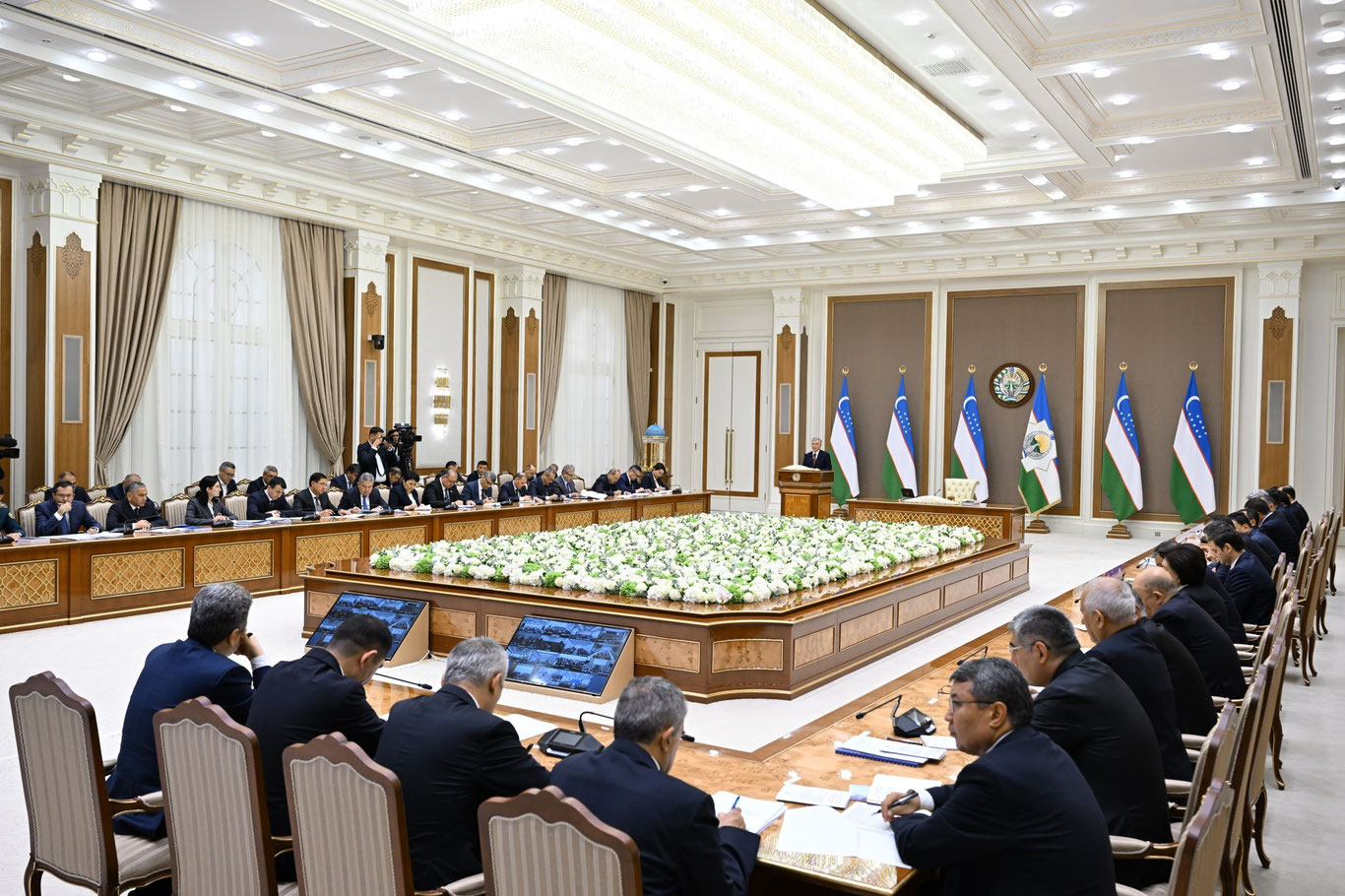
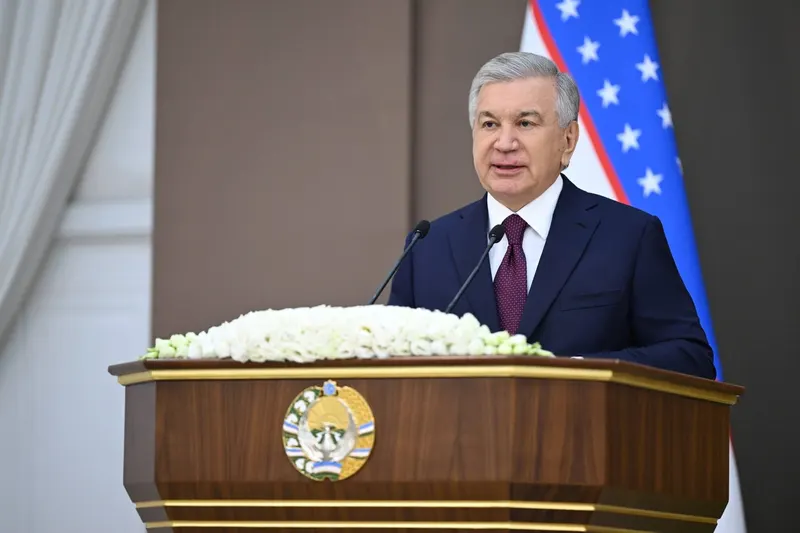
In order to stabilize meat prices in Uzbekistan, the subsidy covering the cost of transporting imported meat by air will be extended until the end of the year. Additionally, additional funds will be allocated for the development of livestock farming. This was announced at a meeting chaired by President Shavkat Mirziyoyev.
The meeting discussed the issue of curbing inflation, emphasizing that increasing the supply of goods and services in the market is the primary task. It was noted that while regional governors had planned to keep inflation below 3 percent in January-June of this year, only the Samarkand region achieved this target.
Due to a 6-8 percent increase in meat prices in April-June, 300 billion soums were allocated to cover the costs of transporting imported meat by air. It was noted that entrepreneurs in the capital and the Tashkent region utilized this opportunity to bring in 1,300 tons of meat, while activity in other regions was insufficient.
The President stressed the need to review the meat balance across regions and develop clear plans specifying from which country, when, and how much meat should be imported.
It was also reported that the results of the agricultural census revealed the true state of livestock farming. According to the census, the number of cattle was found to be 2.1 million heads less, and the number of sheep and goats 1.5 million heads less, compared to previous data.
In addition to the 1 trillion soums allocated from the Agricultural Fund for financing livestock projects, an additional $50 million will be directed from the Recovery and Development Fund.
Using these funds, loans of up to 5 billion soums for establishing livestock complexes, and up to 20 billion soums for pedigree cattle breeding projects, will be provided at a 10 percent interest rate for a term of 10 years, with a 4-year grace period.
The meeting also set the task of importing 100,000 heads of cattle and 150,000 heads of sheep and goats from abroad by the end of the year.