The activity of the bicameral parliament in Kazakhstan has concluded.
The President of Kazakhstan emphasized that the new political system — the Qurultoy — will be organized based on a new approach to legislative activity.
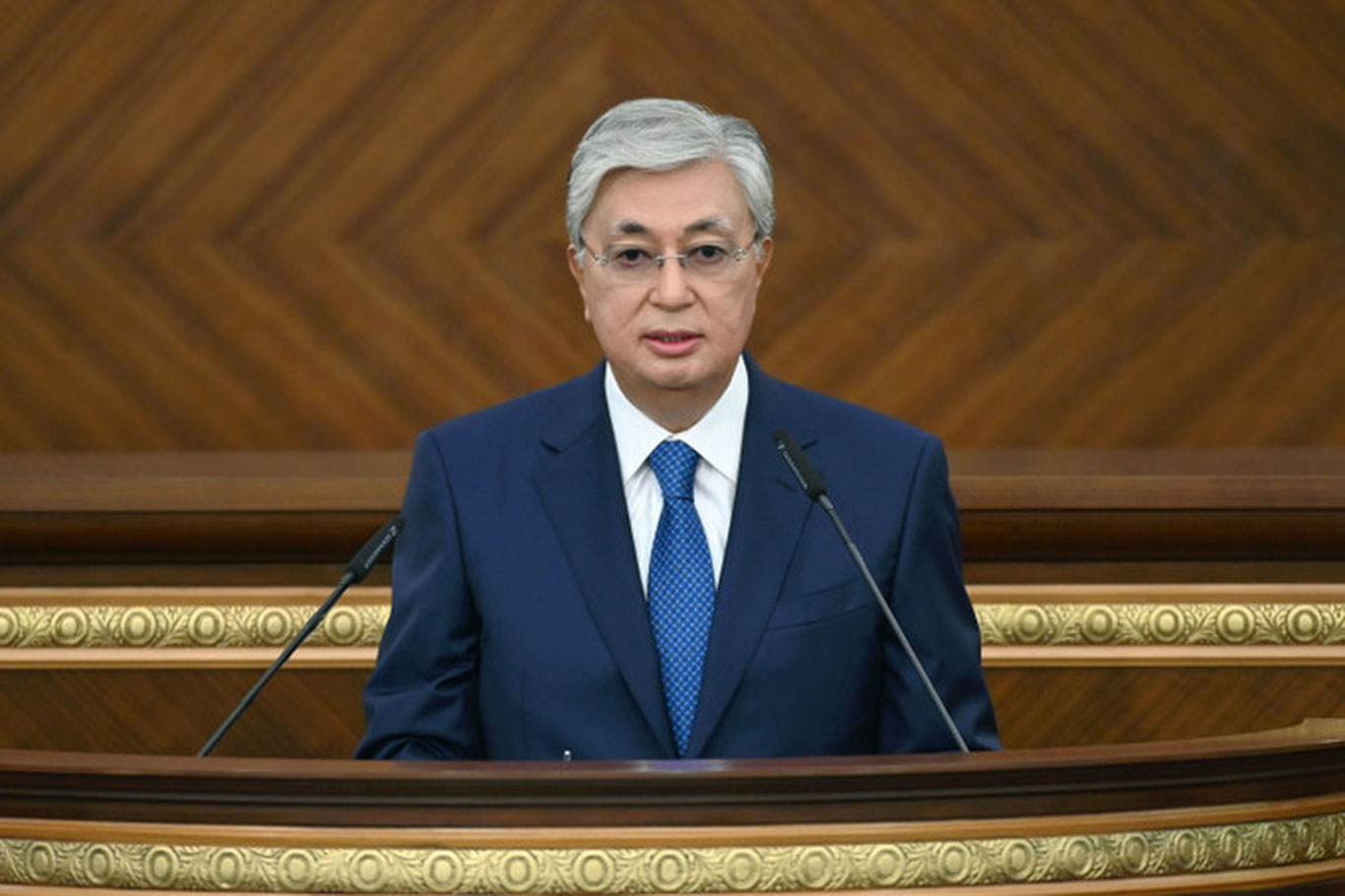
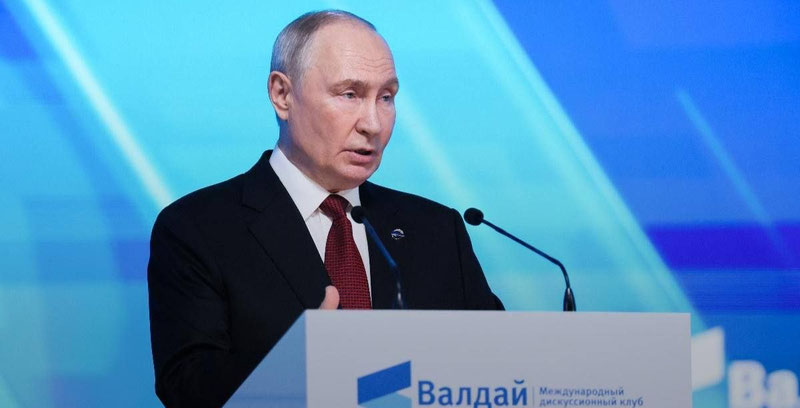
Kazakhstan's bicameral parliament officially concluded its work on June 30. The final joint session of the Senate and the Majilis was held in Astana, with President Kassym-Jomart Tokayev also in attendance. This was reported by 24.kg.
It was noted that the Senate and the Majilis had been making important decisions regarding the country's development for nearly 30 years. During this period, the parliament approved over 3,500 laws, more than 300 of which were adopted in the last three years.
At the meeting, Kassym-Jomart Tokayev summarized the results of the 8th convocation parliament's work and highly appreciated the deputies' contribution to implementing political and economic reforms in the country.
"You were at the forefront of changes in the life of the country. Despite all the difficulties, you worked tirelessly to implement large-scale reforms. In the most difficult times, you took responsibility upon yourselves and became the driving force behind the reforms necessary for our country. Each of you fulfilled your duty worthily. You served selflessly in building a Just and Strong Kazakhstan," the president said.
According to the president, the activities of the new Qurultai, which will replace the parliament, will be organized based on modern governance principles. Specifically:
-
the law-making process will be accelerated;
-
bureaucratic procedures will be reduced;
-
an analytical approach in drafting laws will be strengthened;
-
the e-Parliament electronic parliamentary system will be introduced;
-
draft laws will be widely discussed with experts and the public;
-
forecast analyses, economic consequences, and social risks will be taken into account when making decisions.
Tokayev also emphasized that the country will continue to shape a new economic model, where the development of industry, transport, energy, digital technologies, and artificial intelligence will remain priority areas.
The president also announced that he would sign a decree on holding Qurultai elections in the coming days. According to him, competition between parties will intensify within the framework of the new political system, and the elections must be open, honest, and fair.