Alphabet reform: why did we struggle for 30 years with the inconvenient symbols O‘, G‘, Sh, Ch?
Under the new draft law, the problematic 4 letters will transition to a unified form. This will increase the speed of reading, writing, and typing.
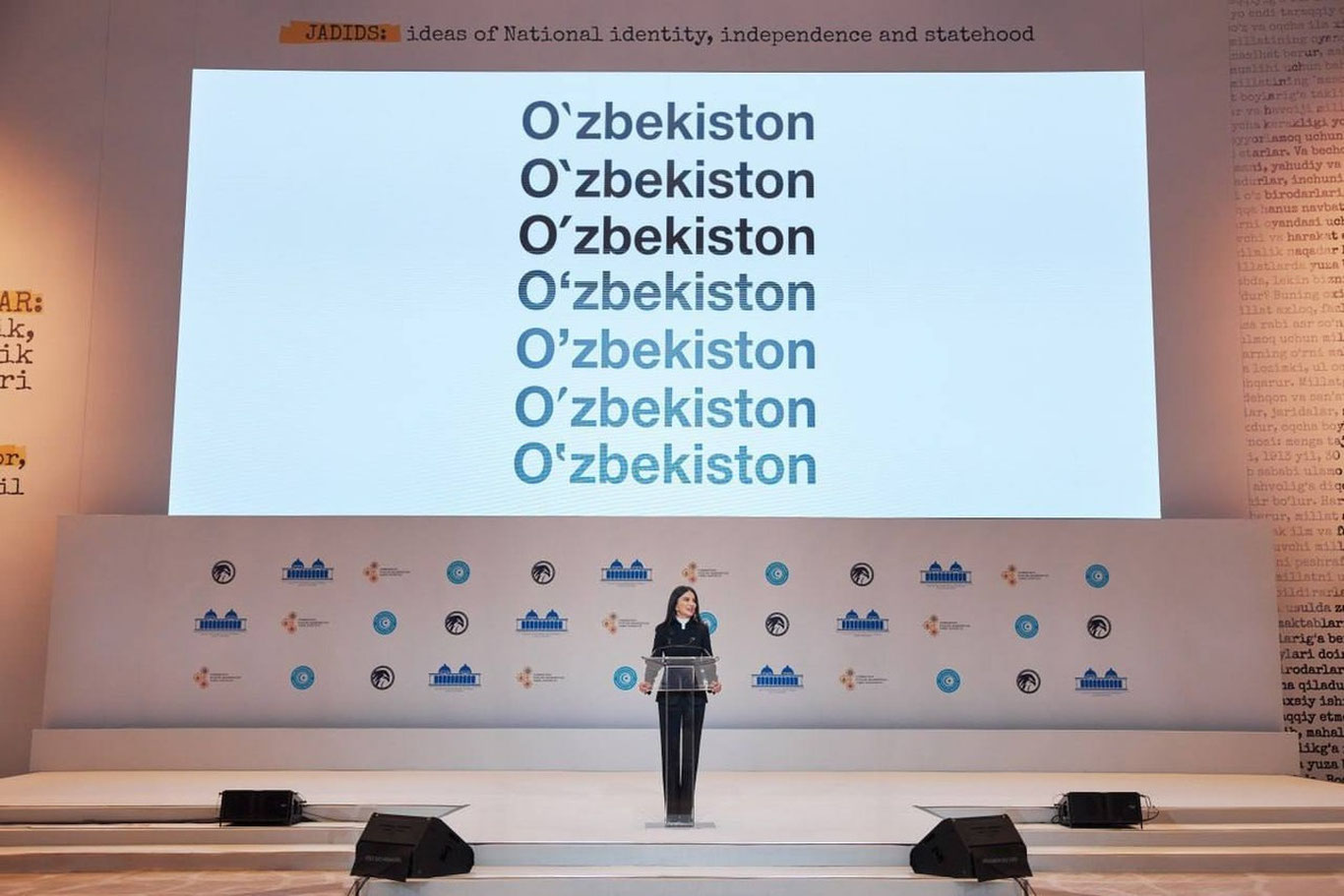
The Legislative Chamber adopted a draft law on reforming the Uzbek alphabet and sent it to the Senate. This step serves to correct the largest strategic and technical mistake made in 1995 (link).
So, why have we struggled for 30 years with the inconvenient symbols O‘, G‘, Sh, Ch?
The initial draft adopted in 1993 had a perfect and complete alphabet (Ç ç, Ş ş, Ğ ğ, Ö ö). By 1995, however, due to political cooling with Turkey and the unfounded panic that "national letters do not fit on computer keyboards," the language was sacrificed to technology.
First, the reverse apostrophes in O‘ and G‘ are read as errors in global systems (Google, Yandex), complicating the search for Uzbek-language information on the internet.
Second, writing a single sound with multiple letters (Ch, Sh, Ng) lengthens texts, leading to tons of wasted paper and ink in printing.
Third, digraphs and apostrophes create constant spelling confusion for school-age children. The new draft law, expected to be reviewed by the Senate, proposes changing the alphabet from 26 letters and 3 letter combinations to 28 letters and 1 apostrophe. The four problematic letters will transition to a unified form. This will increase the speed of reading, writing, and typing.
The change will be implemented gradually. Current documents, money, and signs will not be replaced all at once but will be updated systematically according to their natural lifespan. For 30 years, we tried to fit our language onto a computer keyboard. Now, technology should not limit the language; rather, technology should serve the perfect system of the Uzbek language. The time has finally come for the people to adapt the keyboard to their own language.