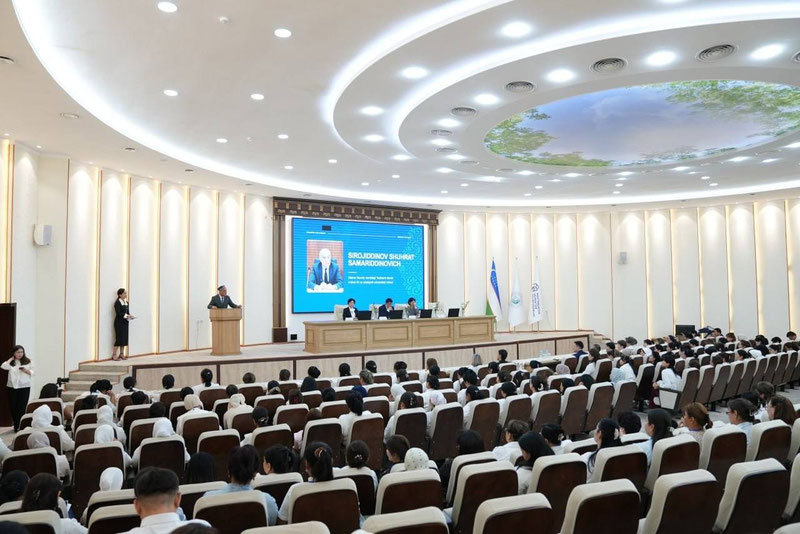
In Uzbekistan, by 2030, at least 5 higher education institutions will be included in the list of the world's top 500 universities.
It is planned to have 100 higher education institutions' educational programs undergo international accreditation and to introduce international educational programs in at least 150 technical schools.
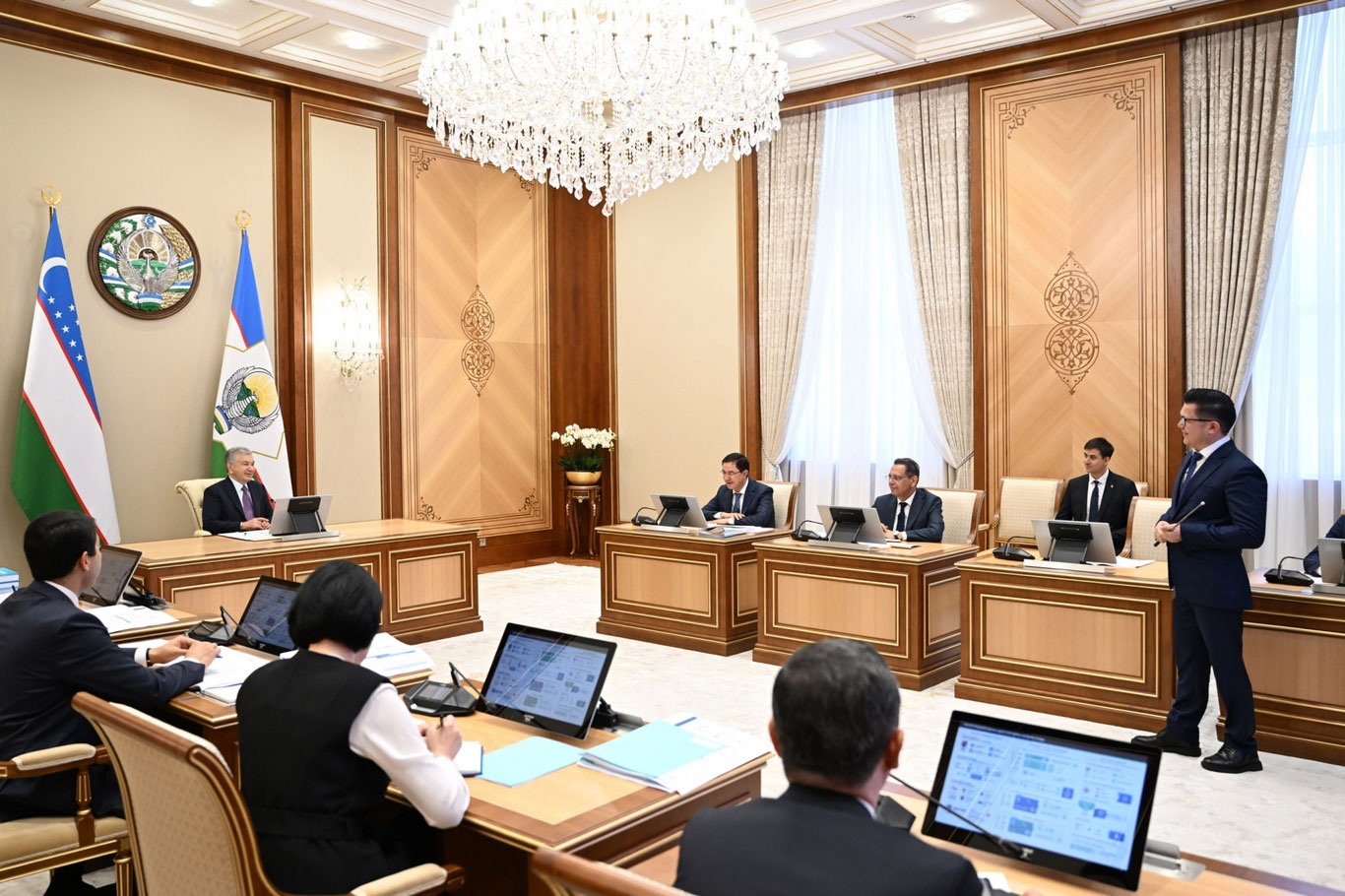
President Shavkat Mirziyoyev reviewed proposals on introducing secondary specialized, vocational, and higher education programs based on international educational standards and expanding academic cooperation with prestigious foreign universities, as presented in a briefing.
According to the briefing, as a result of reforms implemented in the higher education system over the past eight years, the coverage rate of higher education has increased from 9 percent to 44 percent, and the number of students has grown from 270,000 to 1.7 million.
This year, advanced vocational education programs from Germany, the United Kingdom, Switzerland, China, and South Korea are being introduced in 100 out of 643 technical schools.
Additionally, the "Tashkent Institute of Irrigation and Agricultural Mechanization Engineers" National Research University and the National University of Uzbekistan have been ranked among the world's top 1,000 higher education institutions in international ratings. A total of 157 educational programs at higher education institutions have received international accreditation.
The briefing outlined new tasks for improving the quality of education, enhancing the international competitiveness of universities, and expanding graduates' opportunities in the global labor market.
Specifically, the goal is to include at least five higher education institutions in overall rankings and another ten universities in subject-specific rankings among the world's top 500 universities by 2030. Plans also include achieving international accreditation for 100 university educational programs and introducing international educational programs in at least 150 technical schools.
Furthermore, tasks were set to ensure that at least 30 percent of higher education institution graduates and educators obtain international certificates in foreign languages and specialties, and to send 2,500 technical school teachers and 20,000 university educators abroad for professional development.