Permission may be granted for the use of apartments on the first floor for trade and service purposes.
In this case, it will not be necessary to transfer residential apartments to the category of non-residential premises.
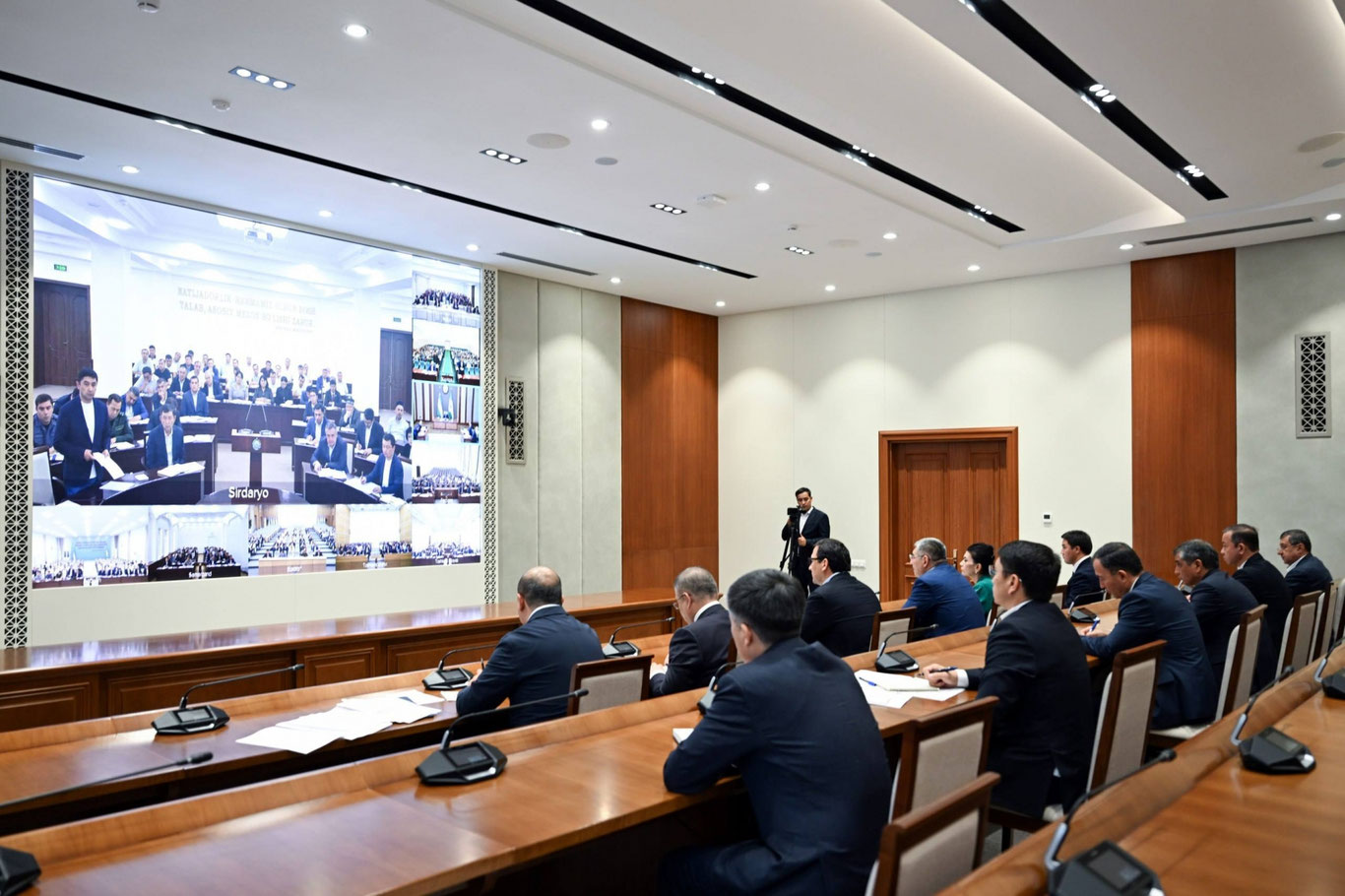
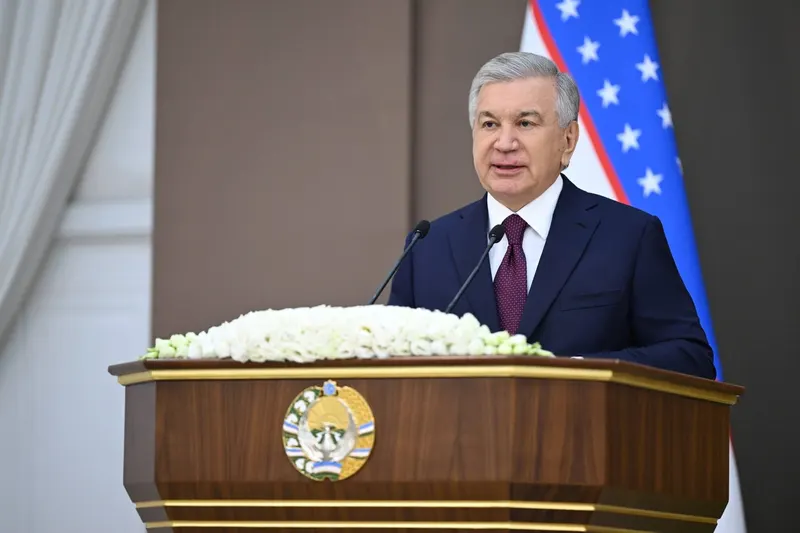
It was proposed to allow apartments on the first floors of multi-apartment buildings to be adapted for trade and service activities without transferring them to the category of non-residential premises. This was announced at an expanded meeting chaired by President Shavkat Mirziyoyev on issues of increasing employment and incomes of the population in the regions.
It was noted that service outlets such as barbershops, beauty salons, small shops, ateliers, and workshops for repairing shoes and household appliances can be established in apartments on the first floors. However, the requirement to transfer the apartment to the category of non-residential premises for this purpose creates additional procedures when starting a business.
For this reason, it was proposed that it should be sufficient for the apartment owner or entrepreneur to notify about the commencement of the relevant activity.
Officials were tasked with determining, within one month, the types of services allowed in first-floor apartments and the safety requirements for them.
The meeting also focused on creating new jobs by utilizing unused opportunities in the regions. It was emphasized that vacant or underutilized buildings and structures, as well as land plots suitable for placing production and service projects, should be identified in districts and neighborhoods and assigned to new projects.
Tasks were set to place business facilities along busy streets based on master plans, renovate streets in historical cities and tourism neighborhoods in the "old city" style, and increase the number of guest houses, trade, and service outlets.
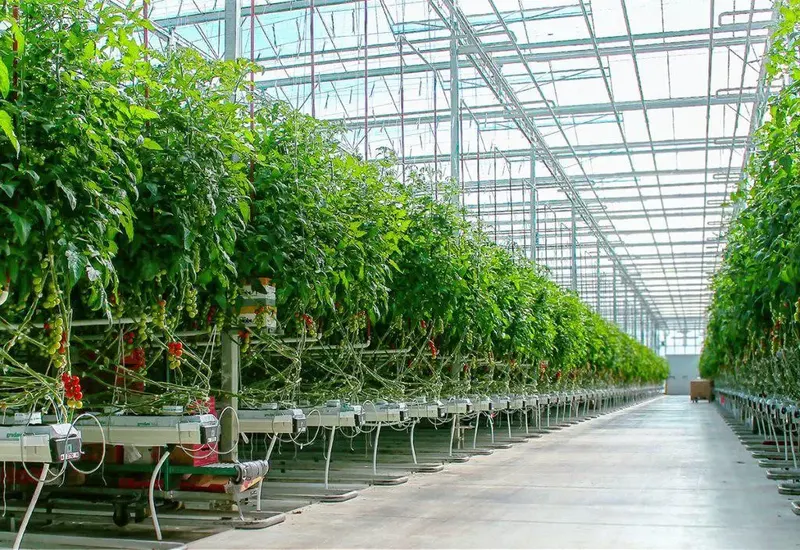
In agriculture, the need to increase income per hectare by renewing old orchards and neglected lands was noted. Such measures are intended to contribute to more efficient land use and create additional sources of income for the rural population.
Additionally, tasks were assigned to identify vacant areas around multi-story buildings and to regulate arbitrarily occupied spaces. It was determined to establish children's playgrounds, sports and fitness zones, green areas, and street lighting in these territories.